Dressing for Interviews: Industry Calibration and the First Seven Seconds
Calibrate formality to the industry, work the variables that genuinely shape a first impression, and run a checklist before you leave.

An interview grants one first impression, and clothing is among the few components of it you fully control. Get it right and the interviewer extends you a measure of trust before you speak. Get it wrong and your competence is discounted before it is heard. The difficulty is that there is no universal correct outfit, because industry variation is enormous, and the same suit can be a credit at one company and a liability at another. Broadcasting on the wrong frequency is worse than not broadcasting at all.
This piece sets out formality coordinates by industry, lists the details that genuinely move a first impression, and provides a checklist to run before leaving the house. The aim is to leave your attention for the substance of your preparation rather than for your collar, and to settle every uncertainty before you reach the door. The objective of interview dressing is for the clothes to disappear so the competence can enter the room.
Industry Sets the Formality Coordinate
Place industries on an axis from conservative to creative. Finance, law and consulting sit at the conservative end and expect tailoring, neutral colour and a low heel. Traditional manufacturing and state-owned enterprises lean formal. Technology sits in the middle, where smart casual is accepted. Advertising, design and media occupy the creative end, where individual expression is welcome and can even function as evidence of capability, so dressing too correctly reads as a shortage of ideas.
A reliable technique: look at staff photographs and office images on the company's own site, then add half a level of formality to what you see. Slightly more formal than the room reads as respect without disconnection. Never carry the same outfit across industries, which is the most common and most damaging error, effectively addressing someone in the wrong language, and however well prepared you are the first glance has already filed you incorrectly.
Self-check: open the company site and study the staff photographs. Half a level more formal than what you see is the safest position, so if the gap is large, adjust rather than applying one outfit to every situation.
- Conservative: finance, law and consulting, meaning tailoring and neutrals
- Middle: technology, where smart casual is accepted
- Creative: advertising and design, where expression is permitted
- Reference the company site and add half a level of formality
Finance and Law: Conservative Is Correct
For these interviews, take the steadiest route: a dark suit in navy or grey, a white or pale blue shirt, a closed low-heeled shoe, a plain small bag. Skip heavy perfume, multiple pieces of jewellery and jumps in colour. The logic of a conservative industry is that you are signalling a willingness to fit into an existing order, so individual expression is put away for now and released gradually after you start.
On detail, the suit must fit and be pressed properly, with roughly half a centimetre of shirt cuff showing and a tie ending at the belt. Those small standards are watched unusually closely in conservative fields, and one careless element is readily interpreted as a lack of rigour. What you consider trivial is precisely the sample the interviewer uses to judge how you handle work, since what they are reading is your relationship to detail rather than your clothes.
The conservative ledger: dark tailoring in neutral colour, half a centimetre of shirt cuff, a tie to the belt. Those millimetre-level details attract disproportionate attention in these fields.
Technology and Creative: Smart Casual
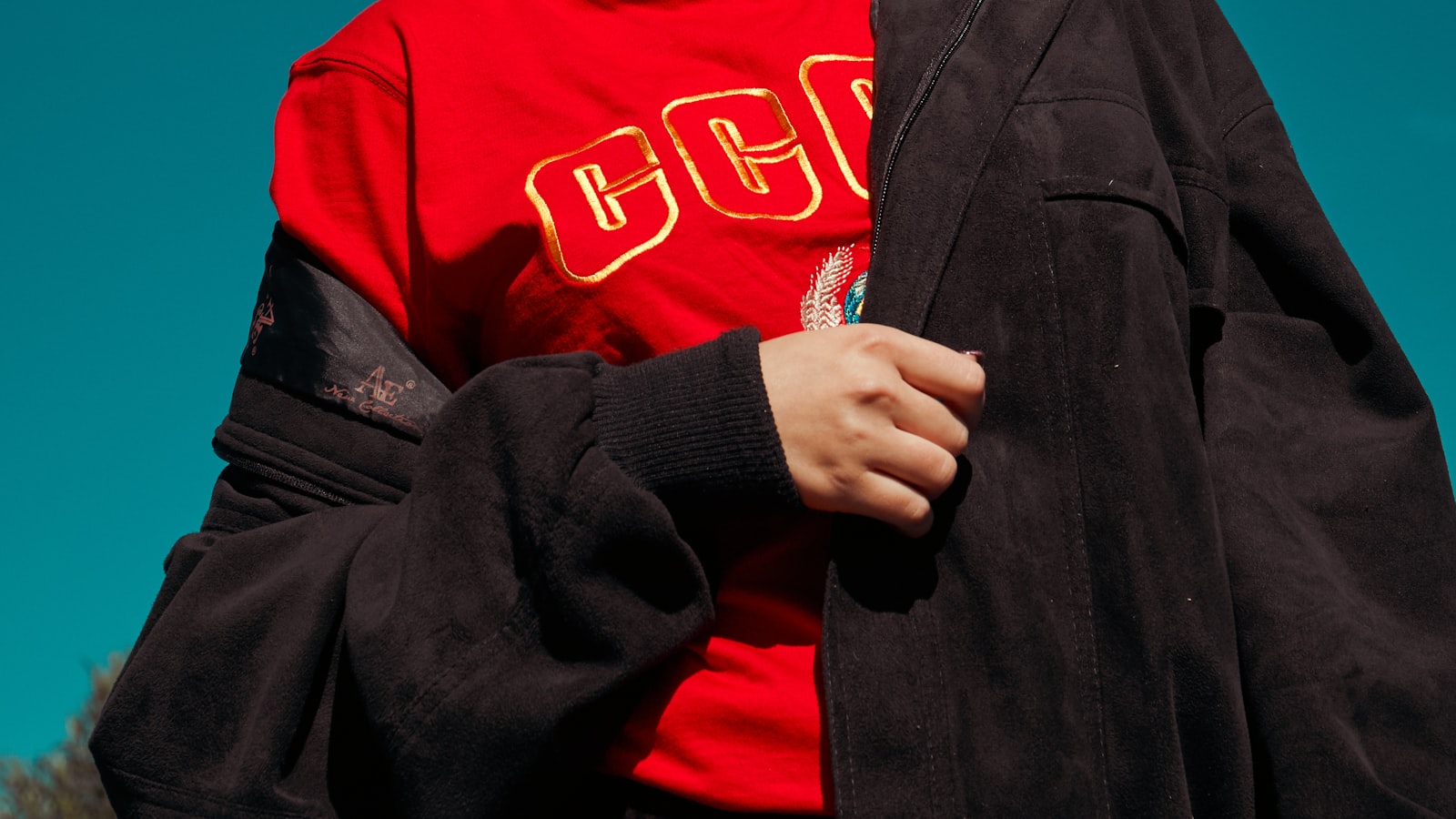
Technology and creative companies react badly to excessive formality, which reads as a poor fit. The formula: a good shirt or fine knit, dark chinos or a knee-length skirt, one structured piece over the top such as a blazer or a crisp jacket, and a clean white sneaker or loafer. That combination has a point of view without being loose, and it tells the room you understand the local convention and can keep your own register inside it.
For creative roles, add one point of personality, an interesting accessory or a low-saturation flash of colour, to suggest you generate ideas. The whole must still read as clean and precise, because scruffiness dressed up as ease earns credit in no industry and is usually read as indifference. Personality has to sit on top of neatness or it becomes an excuse, and what the interviewer is assessing is the substrate rather than the decoration.
The creative formula: shirt, one structured piece, clean sneakers, with the personal element confined to a single location. It only counts in your favour when it is built on top of neatness.
The Controllable Variables
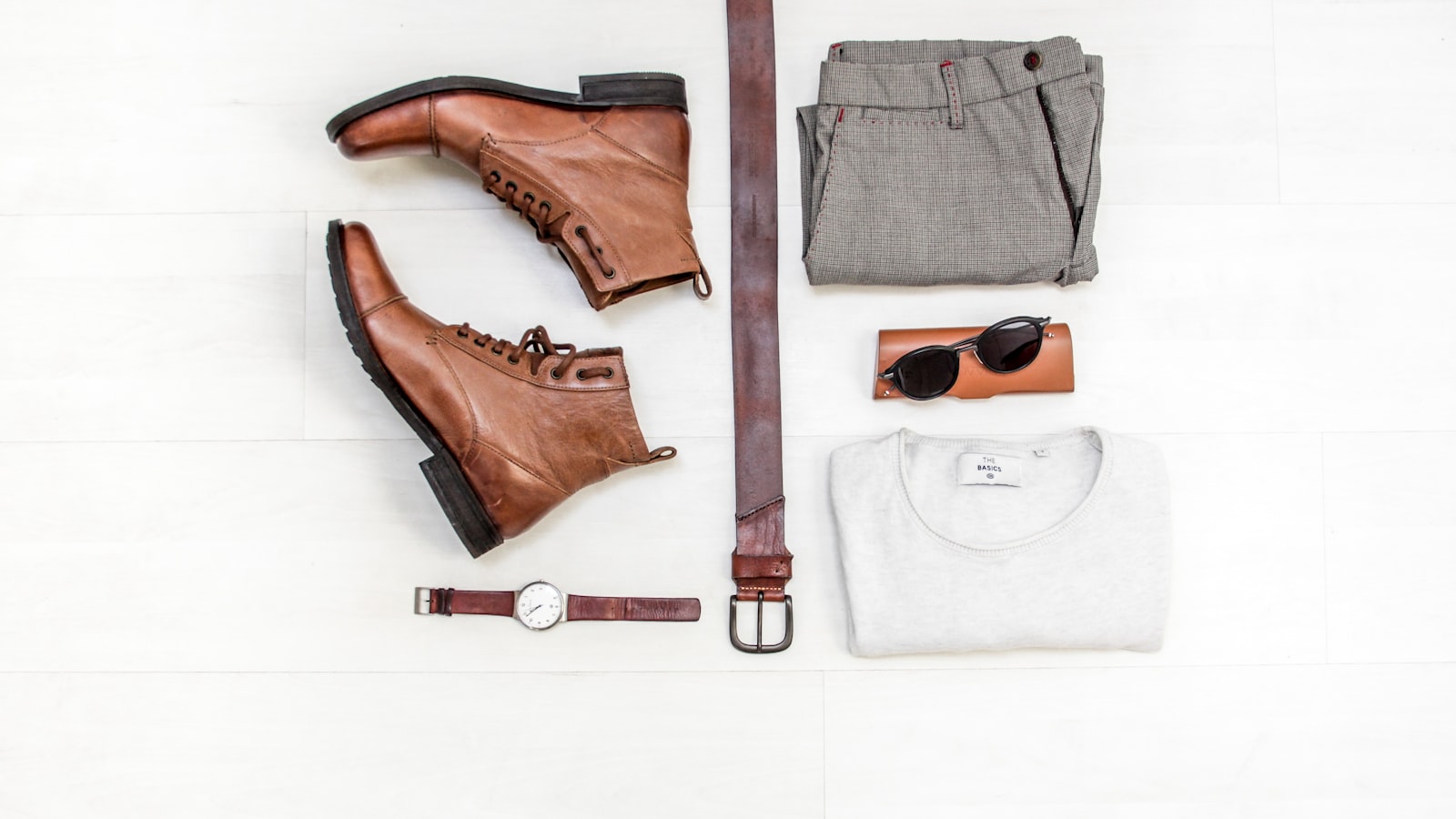
A first impression forms in about seven seconds, and the controllable variables rank in this order: neatness first, meaning no creases and no marks; fit second, meaning neither tight nor slack; restraint in colour third; details fourth, meaning nails, shoe surface and scent. Competence and articulacy are assessed only afterwards, so in those first seven seconds what you are selling is composure, and composure is what earns your competence the right to be heard.
Put differently, even in ordinary clothes, pressed, well-fitted and clean already secures most of the impression. Spending the budget on making basics absolutely immaculate is far more effective than chasing a designer piece. Among the controllable variables neatness offers the best return and is the least likely to be misread, since a pressed high-street shirt beats a creased expensive one, which is the plainest truth in interview dressing.
The weighting in order: neatness, fit, colour, details. Even with unremarkable clothes, pressed and well-fitted already banks most of the available impression.
- Neatness first: no creases, no marks
- Fit second: neither tight nor slack
- Colour restraint third
- Details fourth: nails, shoe surface, scent
The Pre-Departure Checklist
Tick through: garments pressed, shoes wiped, nails trimmed, perfume faint enough to detect only up close, hair off the face, bag able to carry a résumé and a pen, lipstick refreshed. Tights without snags, tie knot straight. Phone on silent, which is the last item and the one most often forgotten, since a vibration in a quiet room does more damage to the atmosphere than any answer you could give.
Prepare one contingency: if it rains, check that what is underneath is presentable once the coat comes off indoors. Keep the checklist in your phone and run it before every interview, which eliminates most of the on-the-spot fluster. The checklist is the last mile of interview dressing, and without it everything upstream is compromised, because every hour of preparation deserves an outfit that will carry it properly.
The checklist ledger: garments pressed, shoes clean, nails neat, scent faint, phone silent. Skip one item and you add a measure of fluster, and most fluster on the day comes from not running the list.
Overdone and Underdone
Both extremes cost you. Overdone means visible logos throughout, heavy makeup and outsized accessories, which reads as either unsteady or as trying to compensate for something, and tends to invite an extra pressure question. Underdone means a creased tee, sports slides and ripped denim, which communicates that you did not consider this important. Either way the interviewer begins by questioning your attitude rather than your ability, and a question about attitude is very hard to reverse.
The safe band is more formal than everyday, less formal than a wedding. Inside that band your clothing recedes into background and your ability and conversation take the foreground. The ultimate objective of interview dressing is for the clothes to be forgotten, so what stays with the room is you, and the steadiness in your eyes while answering, rather than which jacket you happened to wear.
The red line: more formal than everyday, less formal than a wedding. Both extremes cost you, and the safe zone is between them, where the clothes recede and the competence enters.
Reviewing After the Interview
Spend five minutes the same evening making a note: what you wore, any feedback about how you came across, where you felt uncomfortable. After three interviews the pattern becomes visible, so if you are repeatedly read as too casual, raise the formality half a level, and if you felt constricted, loosen the cut. A short review of this kind teaches more than any amount of scrolling through outfit posts.
Save the combinations that verified into interview templates: one conservative, one middle, one creative, matched to the three industry types, and pull the relevant one by company type next time. With templates in place, what to wear is removed from the list of things to be anxious about and your attention returns to the preparation that actually decides the outcome.
Stated once: interview dressing is a contest of judgement. Industry sets the formality, the variables are worked one by one, and the clothing exits quietly so the stage belongs to your ability. It is enough that the interviewer remembers you looking reliable.
Practical checklist
- Check the industry's formality first and add half a level, rather than applying one outfit everywhere
- Take dark neutral tailoring for finance and law, which is unremarkable and reads as fitting in
- Use smart casual in technology and creative fields, clean and structured rather than loose
- Remember the weighting: neatness over fit, fit over colour, colour over details
- Run the checklist before leaving, which eliminates most of the fluster on the day
Interview dressing is not a contest of expense but of judgement. Set the formality from the industry, then satisfy each controllable variable in turn, neatness, fit, restrained colour, details, and the clothes can leave the stage to your ability. The measure of success here is counterintuitive: afterwards the interviewer cannot recall what you wore, only that you seemed reliable. That is the best possible interview outfit, and the cheapest insurance policy you will ever buy for yourself.
Frequently asked
Does a video interview still need a full outfit?
How should a limited interview budget be spent?
Keep reading
More Styling
Dressing Petite: Division Points, Waist Placement and What Shoes Actually Do
Hem lengths by height, an exact waistline position and shoe choices that extend the leg, all measurable and all repeatable.

Minimalism Without Blandness: The Three Compensations
Cut supplies shape, material supplies substance, detail supplies sincerity, and together they fill the space that subtraction leaves behind.
The Three-Layer Method: Thickness Gradients, Temperature Control and Proportion
Assign each layer one job, keep the bulk in a single layer, and use measured hem reveals so layering adds interest instead of width.