Fabric & Care
Fibre science and the domestic laundry: what stains are, what water does, what lasts.
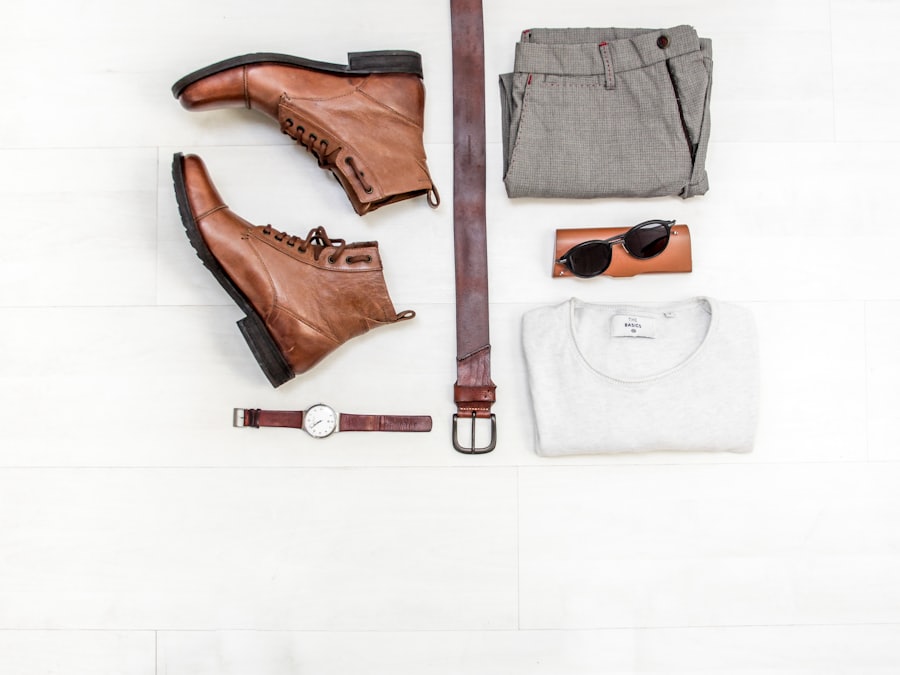
Irons, steamers and pressing kit at three budgets
The pressing kit is the most-overlooked spend in a wardrobe. What to buy at three budgets, from a fifty-dollar starter to a workshop that outlasts the clothes.
Stain chemistry: treat the stain by its class
A stain is a chemical, and the wrong remover sets it forever. Sort stains into protein, tannin, oil, dye and combination, then attack each class with the chemistry that actually lifts it.

Cashmere and fine woollens: wash, store, protect
The most fragile and most loved fibres in the drawer. How to wash cashmere without felting it, de-pill it without thinning it, and store it where moths never find it.

Care symbols decoded: the five ISO families
Those little icons are a regulated language, not decoration. Learn the five ISO symbol families and you can build a domestic laundry routine that follows the cloth instead of fighting it.

Seasonal wardrobe storage: humidity, moths, cedar
Most wardrobe loss happens in the drawer, not on the body. Humidity, moths, cedar, vacuum bags and the mistakes, plastic, attic, damp, that destroy clothes in storage.
To dry-clean or not: solvent, damage, wet clean
Dry cleaning uses no water but plenty of chemistry. What perc, hydrocarbon and wet cleaning actually do, what they ruin, and how to decide before you hand over the garment.

Repair and alteration: darn, reweave, tailor
The most sustainable garment is the one already in your closet. Darning, Swiss darning, patching and reweaving, and the line where a tailor earns the fee you pay.

Natural fibres, properly: cotton, linen, wool, silk
Four fibres built by biology, not a reactor. What each genuinely does well, where it fails, and how to stop blaming the cloth for the care it was never designed to survive.
Man-made and regenerated: polyester, nylon, viscose and the rest
Synthetics and regenerated cellulose are not cheating. They are different tools with different trade-offs, and the honest buyer prices the cost of easy care against the cost of microplastics and heat.

Detergents decoded: surfactants to bleach
A detergent is a formulated chemical system, not a soap. Surfactants, enzymes, builders, bleaches and water temperature, and how to read the bottle like a chemist.

Shrinkage, pilling and fading: the mechanisms
Three failures, three mechanisms, and the prevention that is not folklore. Why cloth shrinks, why it balls, and why colour leaves, plus the steps that actually keep a garment whole.
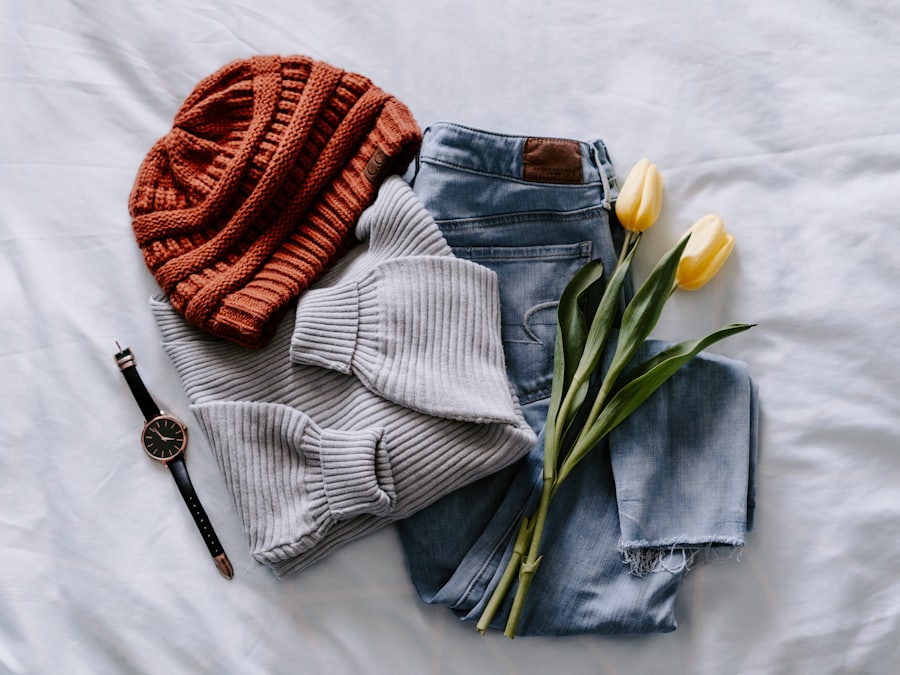
Ironing, steaming and pressing: heat by fibre
A hot soleplate is the fastest way to destroy a garment. Temperature by fibre, the case for steam over dry heat, and why a tailor's press beats an iron every time.
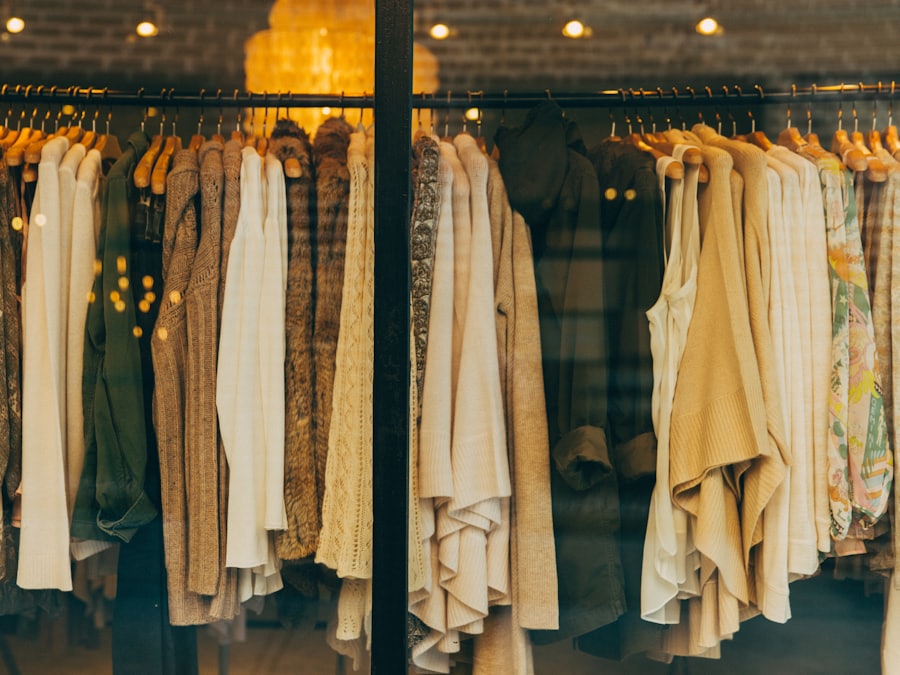
Shoe and leather goods care at home
Leather is skin, and skin dries, stains and cracks if left alone. Cleaning, conditioning and waterproofing for shoes and goods, and the mistakes that finish a hide early.

Reading a fabric label: count, GSM and weave
The numbers on a hangtag are not decoration. Yarn count, GSM and weave tell you what the cloth will weigh, wear and cost before you ever feel it in your hand.