Ironing, steaming and pressing: heat by fibre
A hot soleplate is the fastest way to destroy a garment. Temperature by fibre, the case for steam over dry heat, and why a tailor's press beats an iron every time.
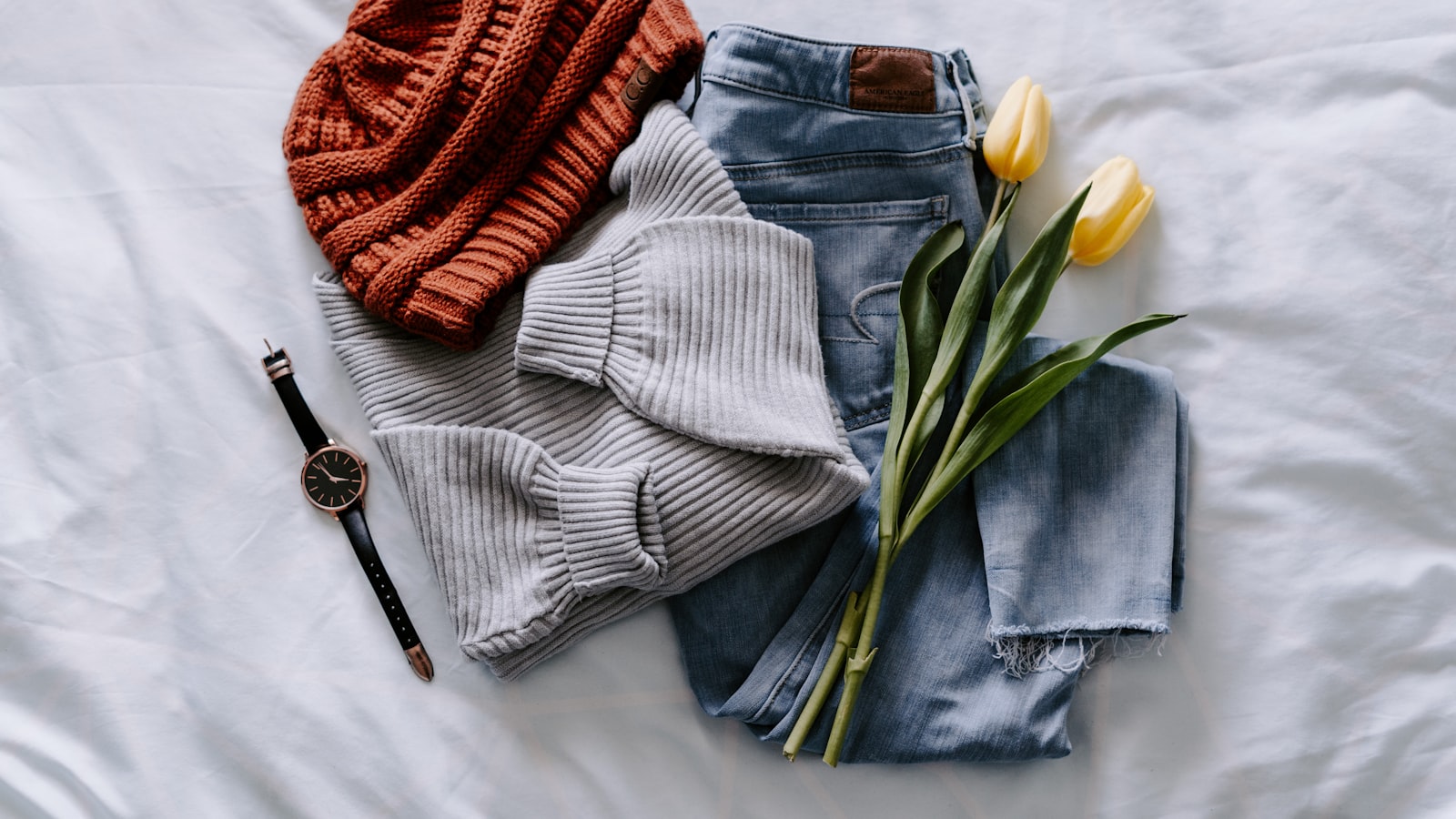
Heat is the most under-rated hazard in the home wardrobe. A soleplate set for cotton will melt polyester, scorch silk and glaze wool in a single careless pass, and the damage is irreversible because you have changed the fibre, not the dirt. Ironing is the application of a hot, flat plate under pressure; steaming is the application of vapour under no pressure; pressing is the tailor's method of lifting and lowering a weighed, often covered, surface. Knowing which to use on which fibre is the difference between a finished garment and a ruined one.
This is a temperature map and a method guide. We will set the dial by fibre, from synthetics at 110 degrees to linen at 200, explain why steam relaxes cellulose better than dry weight, and make the case that a proper press cloth and a tailoring ham outperform a fashion iron on every tailored seam. The iron is a tool, not a weapon, and the fibre sets the rules.
Temperature by fibre, dot by dot
The iron symbol encodes the safe ceiling: one dot is 110 degrees Celsius for synthetics, two dots 150 for silk and wool, three dots 200 for cotton and linen. Acetate and triacetate scorch below 110 and should be pressed cool with a cloth; polyester and nylon melt in the 215 to 230 range, so a cotton-hot iron leaves a hole. Silk takes 150 with steam and a press cloth but watermarks if steamed directly; wool takes 150 but shines under a hot dry soleplate and needs a damp cloth.
The safe habit is to set the dial to the lowest dot that does the job and to test a hidden hem or facing first. Synthetic blends must be ironed at the synthetic temperature, not the cotton one, because the lower-melting fibre fails first. A variable-temperature iron with a precise dial beats a single 'linen' setting, and a soleplate guard or press cloth buys a margin on delicate fibres. Heat is cumulative; repeated passes at the limit degrade the fibre even when they do not instantly burn it.
- 110C one dot: acetate, polyester, nylon and other synthetics
- 150C two dots: silk and wool, always with a cloth
- 200C three dots: cotton and linen, the only fibres that want it
Why steam beats dry heat on cellulose
Steam works by reintroducing water vapour into the cellulose, which swells the fibre and relaxes the hydrogen bonds that hold a crease or wrinkle. On cotton and linen, a burst of steam with light pressure removes wrinkles that dry ironing merely presses flat temporarily. The vapour penetrates the weave where a dry plate only contacts the surface, which is why a steamer can finish a linen shirt faster than an iron and without the shine.
The cost is control. Steam can watermark silk and can felt wool if it condenses into droplets on a hot plate, so protein fibres want a dry iron through a damp cloth rather than direct steam. For cellulose, a garment steamer or a steam iron on the vertical setting is the kinder finish, and it avoids the soul-destroying shine that comes from dragging a hot dry plate across raised twill. Use steam on plants, dry heat with a cloth on proteins, and the wardrobe shows the difference.

Pressing versus ironing on tailoring
A tailor presses, they do not iron. Ironing is a sliding, pushing motion that stretches seams, distorts canvas and shines worsted; pressing is the lift-and-press of a heavy iron held still, often over a press cloth and a shaped ham, that sets a seam without moving the cloth. The goal on a jacket is to mould the fabric to the body's curves, which a flat board cannot do and a ham can.
A press cloth, a square of clean cotton or linen, protects the face and lets you use more heat and steam safely; a clapper, a block of hardwood, absorbs the steam and sets a crease sharp. On wool, the sequence is steam, press, clap, and never slide. A good press holds a trouser crease through a day; an ironed one relaxes by noon. The method is older than the electric iron and still beats it, because the fibre responds to still heat and moisture, not to friction.
A tailor presses to set a seam; an ironer slides and destroys the canvas underneath.
The kit that earns its place
Beyond the iron, a handful of cheap tools transform results. A tailor's ham gives shaped support to curved seams; a sleeve board reaches inside narrow tubes; a pressing cushion spares the ironing-board grid from imprinting; a clapper sets creases; and a misting bottle adds controlled steam without a steam iron's risk. A wool press cloth is the single most useful item, turning a destructive dry pass into a safe one on any protein fibre.
A garment steamer, the vertical kind, is worth more than a fancy iron for knits, delicates and travel, because it finishes without pressure or a board. Spend the budget on a steady steam source and a ham before a diamond-coated soleplate. The kit is small, the gains large, and most of it costs less than a single ruined jacket, which is the real measure of its value.
Knits, delicates and the no-iron rule
Knits should rarely meet an iron. The weight stretches the stitch and leaves a shine; steam from above, never contact, and reshape the garment flat to dry. Fine synthetics, sequinned or bonded fabrics, and anything with glue interlining must be pressed cool through a cloth or not at all, because the adhesive melts and the trim detaches. A heat gun aimed at a bonded blazer is a common and total loss.
The discipline is to ask what the fibre and the construction will survive before the iron is plugged in. When the label says do not iron, believe it; when it says cool, set one dot and test. Most 'ruined by ironing' garments were never ruined by heat alone but by heat plus pressure plus ignorance of the fibre, and all three are choices you can unmake.
A finish that lasts the day
The measure of good finishing is how the garment looks at dinner, not at the board. Set the dial by fibre, prefer steam on cellulose and a cloth on protein, press tailored seams still over a ham, and finish knits with vapour from above. None of this is slower than impatient ironing; it is simply deliberate, and the cloth repays it in a crease that holds and a face that does not shine.
Treat the iron as the last step, not the first resort. Hang garments to steam in a hot bathroom, smooth knits by hand, and reserve the soleplate for cotton and linen where it belongs. The wardrobe that is pressed rather than ironed looks tailored rather than tortured, and the difference is entirely in the method, not the machine.
Pressing on the road without a board
Travel undoes a wardrobe faster than wear, because the hotel iron is usually a hot, unmarked plate and the bathroom has no board. The fix is the steam-filled bathroom: hang the garment on the door, run a hot shower, and let the vapour relax the wrinkles for twenty minutes, then smooth by hand. For a sharper need, lay the item on a towel on the desk, cover with a thin cloth, and press with the iron on the lowest dot that moves the crease.
A travel steamer, the pocket kind, earns its place for knits and suits and weighs nothing; a crease in a linen shirt responds to a mist and a hair dryer held at distance. Never trust an unknown iron on a synthetic blend, and always test a hem. The road kit is smaller than the home one but the rules are identical: lowest effective heat, steam on cellulose, cloth on protein, and patience. Come home with the garment as finished as you left it. One caution on the road: hotel irons are often fouled with starch and scale, and they can leave a mark on a pale shirt that a home board never would. Wipe the soleplate with a damp cloth first, and prefer the bathroom steam for anything light-coloured. The travelling garment is safest when the only heat it meets is the one you control.
- Steam the bathroom, hang the garment, let vapour do the work
- Travel steamer for knits and suits; test synthetics first
- Lowest dot, cloth on protein, mist-and-dry for linen on the road
Practical checklist
- Set the dial to the lowest dot that works and test a hidden hem before the first pass.
- Steam cotton and linen; press silk and wool dry through a damp cloth to avoid marks.
- Press tailored seams still over a ham; never slide an iron across worsted.
- Finish knits with a steamer from above, never with a hot plate on the stitches.
- Keep a wool press cloth and a clapper; they outperform a fancy soleplate every time.
Heat is the quietest destroyer in the laundry, and the iron is only as safe as the hand that sets its dial. Temperature by fibre, 110 for synthetics, 150 for silk and wool, 200 for cotton and linen, removes guesswork and most disasters. Steam relaxes cellulose better than dry weight, a press cloth protects protein, and a still press over a ham finishes tailoring the way a slide never will. Knits want vapour from above, not a plate on the stitch, and bonded cloth wants cool or nothing. Learn the fibre, choose steam or press, and the garment leaves the board finished for the day rather than scarred for life. The iron earns its place only when the method comes first.
Frequently asked
Why does my iron leave a shine on wool trousers?
Keep reading
More Fabric & Care
Irons, steamers and pressing kit at three budgets
The pressing kit is the most-overlooked spend in a wardrobe. What to buy at three budgets, from a fifty-dollar starter to a workshop that outlasts the clothes.
Stain chemistry: treat the stain by its class
A stain is a chemical, and the wrong remover sets it forever. Sort stains into protein, tannin, oil, dye and combination, then attack each class with the chemistry that actually lifts it.

Cashmere and fine woollens: wash, store, protect
The most fragile and most loved fibres in the drawer. How to wash cashmere without felting it, de-pill it without thinning it, and store it where moths never find it.