Packing for a Holiday: Twelve to Fifteen Pieces, Sun Protection Included
A controlled garment count, fabrics that actually block UV, colour that photographs, and the multi-way pieces that make a carry-on enough.
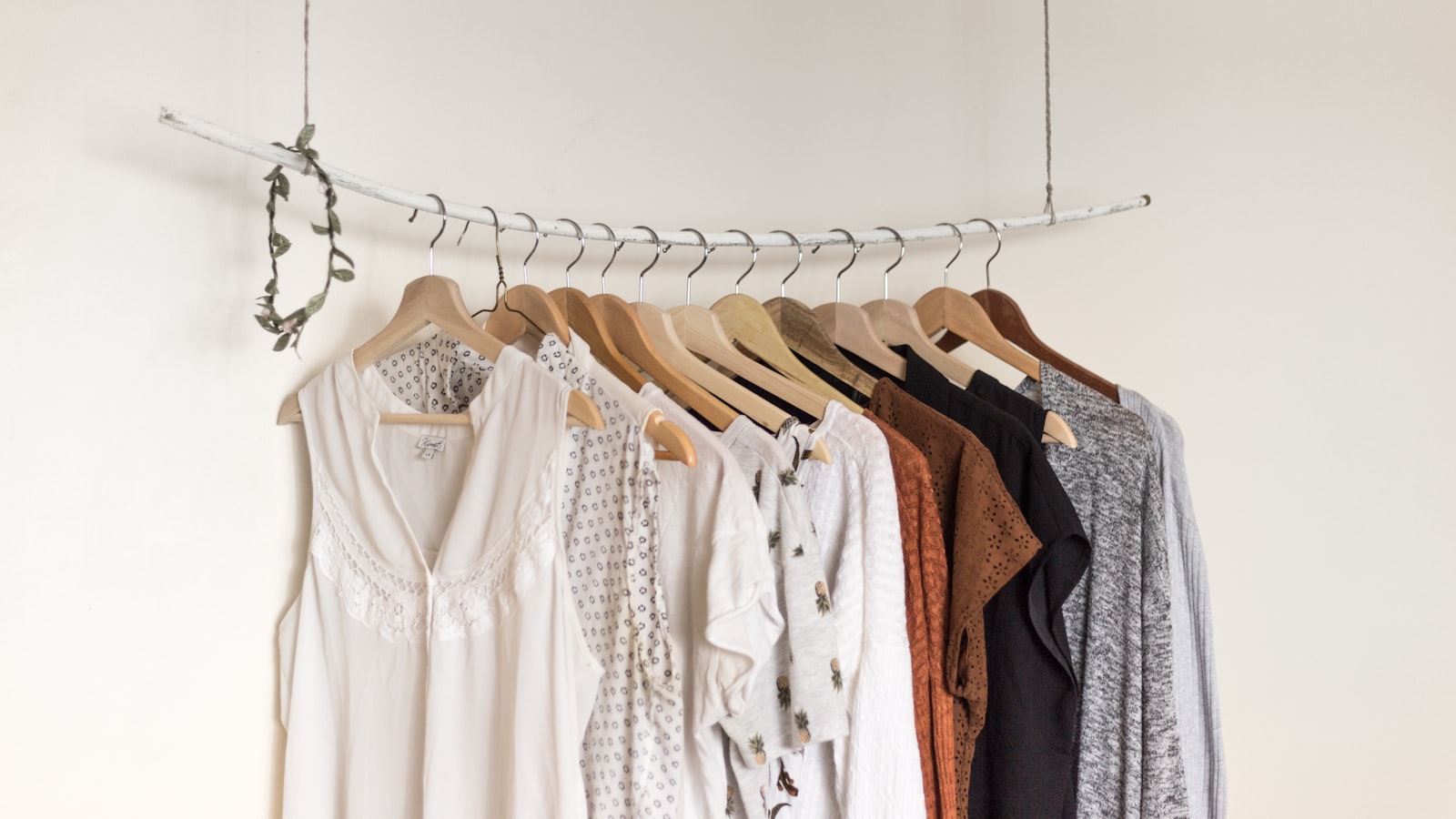
Nothing deflates a holiday faster than hauling an overweight case and still standing in front of it every morning with nothing decided, then coming home to photographs that all look the same. A holiday wardrobe should be light, should actually block ultraviolet light, should photograph well, and should be small enough to fit a carry-on. Those four are not in conflict. They require planning in advance rather than buying on arrival, which is how people end up spending a holiday in fitting rooms and at the baggage carousel, missing the view entirely.
Below: a garment count to hold yourself to, how to choose fabric that protects, the colour logic that makes photographs work, and specific multi-way plans for the pieces that earn their place. Pack less, wear better, move faster, and keep your attention on the landscape rather than the belt. Travelling light is not a compromise. It is squeezing the maximum number of outings from every item you brought, so the case becomes part of the freedom rather than a tax on it.
The Garment Count Formula
For a five to seven day trip, hold the core clothing to twelve to fifteen pieces: five tops, three bottoms, two dresses, one outer layer, two pairs of shoes, three accessories. That count carries a different outfit every day, and most of it hand-washes and dries overnight in a hotel basin, so no laundry service is required. Apply capsule logic throughout, with each piece pairing with at least two others, so nothing travels halfway around the world only to prove unwearable and occupy space.
The specific arrangement: among the five tops, two plain white tees, one linen shirt, one vest and one lightweight knit. The three bottoms are wide-leg trousers, denim shorts and a long skirt. Two dresses cover the days you refuse to think. The total stays controlled while covering three separate settings, beach, town and dinner, without a dedicated bag for each, and a single carry-on holds the entire proposition.
Self-check: spread the packing out and count. Over fifteen core garments and you are overloaded, so cut duplicate bottoms first and keep the pieces that convert, meaning the dresses and the large scarf.
- Tops 5: two white tees, one linen shirt, one vest, one light knit
- Bottoms 3: wide-leg trousers, shorts, long skirt
- Dresses 2, outer 1, shoes 2, accessories 3
Sun Protection and Breathability
Holiday sun protection cannot rest on cream alone, because the garment itself is the barrier. Choose densely woven fabric rated UPF 50 or above, or natural linen and heavier cotton, since physical shading holds up without reapplication. At the coast, a lightweight long-sleeved sun shirt beats burning a bare shoulder and repairing it later, and it prevents the peeling that ruins the second half of a trip. The same shirt doubles as a cover-up in over-air-conditioned rooms.
Breathability comes down to yarn count and weave, so linen, lyocell and bamboo all breathe and dry quickly. Avoid synthetic satin, which traps sweat, clings and photographs cheaply. One lightweight long-sleeved sun shirt is what lets you leave the hotel at noon, and it is the single most useful functional piece to pack, weighing almost nothing and folding into a side pocket while saving you during the worst hours of light.
The sun ledger: UPF 50 or above is the threshold, while an ordinary cotton tee sits around UPF 5, which at midday is close to no protection at all. Pack one densely woven long sleeve, because physical shading is more reliable than cream.
Colour That Photographs
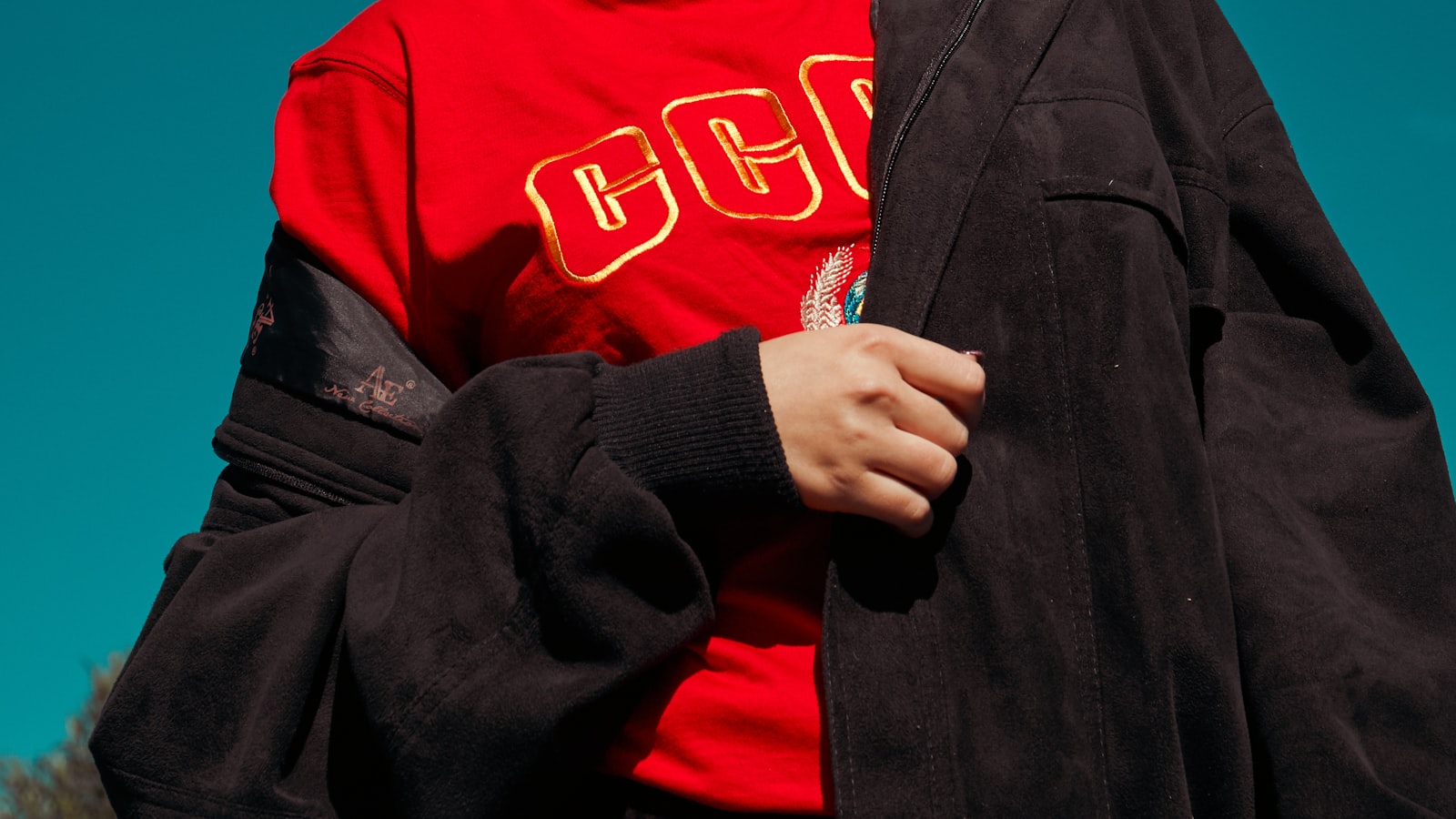
Half of whether a photograph works is colour. Against natural backdrops such as sea, forest and old stone, the most photogenic clothing sits at a clear value contrast to the background: white or red against blue sky, beige or ochre against greenery, sapphire against weathered walls. Avoid colours that dissolve into the setting, since pale blue at the coast disappears entirely and leaves a face floating in a grey haze that no editing recovers.
A dependable formula: one bright piece as the lead and everything else neutral. A red dress with white shoes, a yellow shirt with denim, both are established and both work. Tonal layering is also beautiful in natural light, particularly the off-white and pale khaki register of a beach, which looks clean and expensive straight out of a phone. Get the colour right and you stop hunting for angles, because the angles come to you.
The photographic formula: keep at least two steps of value between clothing and background, so white or red against sky and beige or ochre against greenery. If the contrast is short, change into a brighter top and the picture is rescued.
Multi-Way Pieces, Specifically
A dress is the highest-value item you can pack. By day it is a long sun dress with a straw hat, by early evening a belt turns it into a waisted shape, and at night a light knit over the top makes it read as two pieces. A large square scarf is even more versatile: shawl, wrap skirt, headscarf and bag ornament, four functions at almost zero weight, which makes it the best value in the case and a genuinely useful tool for improvising on an unfamiliar street.
A white shirt converts too: open as a sun layer, knotted as a cropped top, damp as a beach cover-up. Write the conversions next to the packing list and work through them on arrival, so five days feel like ten outfits. Multi-way capability is the core skill of light travel and the reason you can commit to a carry-on, and walking rather than dragging is itself part of the holiday.
The conversion ledger: three ways from the dress, four from the scarf, three from the white shirt, which totals roughly ten outfits. Any piece that cannot reach three appearances does not earn its place in the case.
- Dress: sun dress, belted shape, layered under knitwear
- Large scarf: shawl, wrap skirt, headscarf, bag ornament
- White shirt: sun layer, knotted crop, beach cover-up
The Two-Shoe Principle
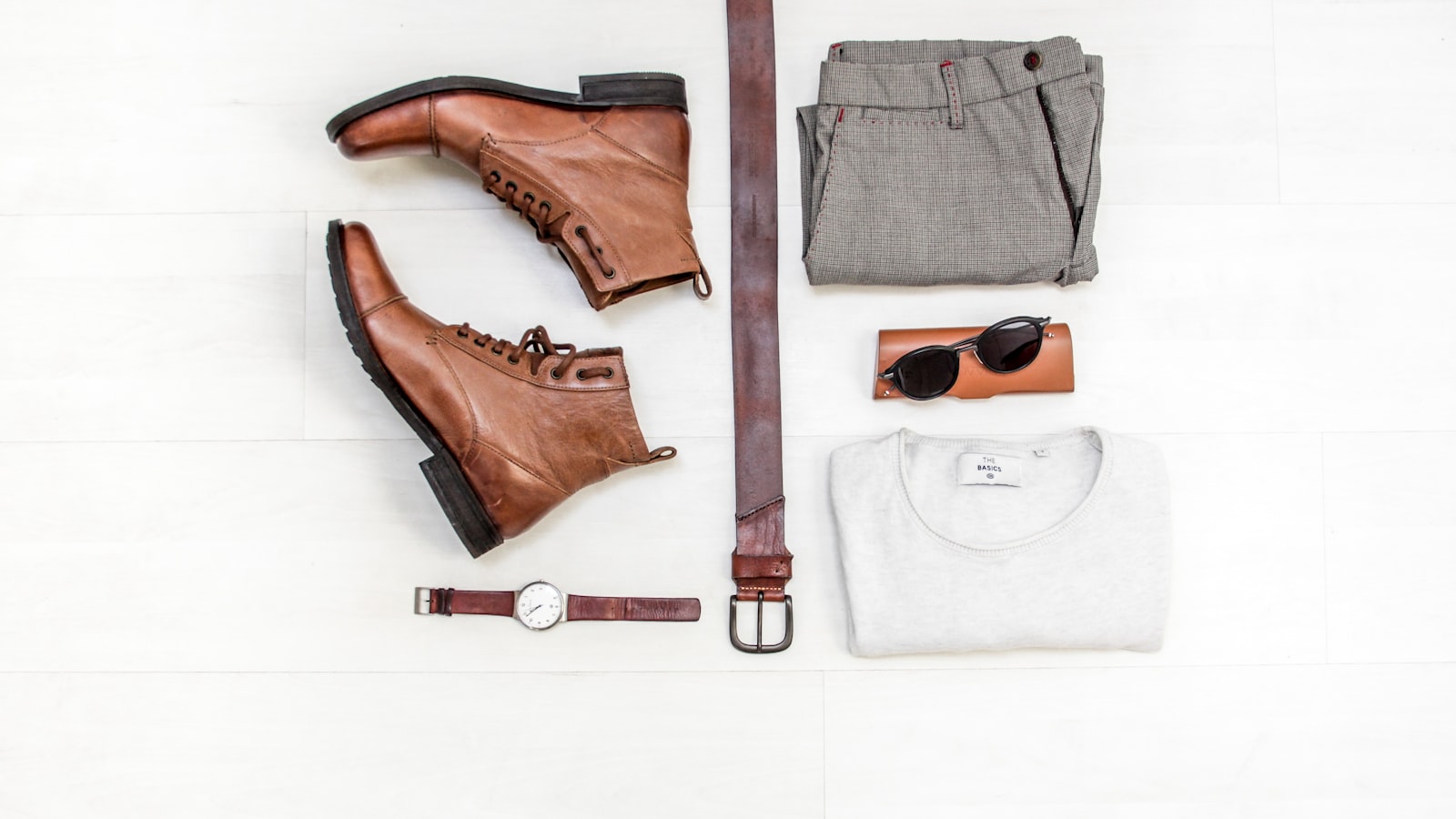
Two pairs is enough: one flat sandal or white sneaker for full days on foot, one with a modest heel for dinner. Resist the third pair, because case space is expensive and the third pair characteristically goes unworn while occupying half a bag. Choose a sandal neutral enough to take water and still work with a dress, matched in colour to the bag, and one pair does the work of two while the weight saved becomes something you bring home.
For an island, add a water shoe but buy it locally rather than carrying it from home. The weight and volume of shoes is routinely underestimated, and two pairs is the ceiling. Each pair must work with at least three outfits, or it is simply cargo, taking up room without ever going on a foot. Correct shoes carry you through twenty thousand steps; the wrong ones dissolve the scenery into foot pain.
The shoe red line: two pairs only, each pairing with three outfits. A third pair worn zero times over the whole trip is a failure, so map shoes against outfits before you leave rather than after you arrive.
Folding and Packing Technique
Roll rather than stack flat, which saves space and reduces creasing. Hang linen in the bathroom and let ten minutes of shower steam drop the wrinkles out. Push accessories inside shoes to fill the void, and lay the large scarf across the base of the case as a cushion. Decant liquids into travel bottles and consolidate them into one sealed bag, because a single leak can ruin half a case, which is a lesson most travellers only need once.
A carry-on holds the fifteen or so pieces above, which means there is still room for something bought on the trip. Packing is fundamentally an exercise in priority: functional pieces first, sun protection and water shoes, and purely decorative pieces last. Pack intelligently and the travelling gets easier, since the texture of a holiday tends to begin the moment the case is closed, and a tidy case is the first ticket to an unhurried trip.
The packing numbers: rolling saves roughly thirty per cent of the space, ten minutes of bathroom steam restores creased pieces, and a carry-on takes fifteen garments with room left for souvenirs.
Redeploying Holiday Pieces at Home
Do not let the light pieces go idle once you are back. The linen shirt goes with tailored trousers to the office, the large scarf ties onto a bag as a finishing point, the sun shirt becomes a cover-up in an air-conditioned room. A holiday piece that only ever functions on holiday is the most efficient form of waste, so buying pieces that can come home is the real economy in this whole exercise.
Shoot a set of combinations on the day you return, pairing holiday pieces with everyday bottoms, and keep them in an album: the beach dress under a cardigan for town, the white tee with the holiday wide-leg trousers for a weekend. Fix those pairings and the clothes from that trip keep working for an entire season rather than accumulating regret in a corner of the wardrobe.
Practical checklist
- Hold core clothing to twelve to fifteen pieces, each pairing with at least two others, and pack no orphans
- Bring one UPF 50 long-sleeved shirt so you can leave the hotel at midday without burning
- Contrast clothing against background, red or white with sky and beige with greenery, for photographs
- Use the dress and the large scarf as multi-way pieces, since both convert several times over
- Pack two pairs of shoes only, each pairing with three or more outfits, and no shoe as cargo
A holiday wardrobe is not measured by how much you brought but by how many times each piece went round. Cover the whole trip with twelve to fifteen garments, multiply that number through multi-way pieces, and guarantee the photographs with colour contrast, and what you get is ease rather than compromise. Judge the packing by three things: how light the case was, how good the pictures are, and how much came home unworn. Travelling light is not wearing less. It is packing intelligently, and trading weight for freedom of movement.
Frequently asked
Does the list need rewriting for a city trip rather than an island?
What if holiday purchases turn out to be unwearable at home?
Keep reading
More Styling
Dressing Petite: Division Points, Waist Placement and What Shoes Actually Do
Hem lengths by height, an exact waistline position and shoe choices that extend the leg, all measurable and all repeatable.
Dressing for Interviews: Industry Calibration and the First Seven Seconds
Calibrate formality to the industry, work the variables that genuinely shape a first impression, and run a checklist before you leave.
Minimalism Without Blandness: The Three Compensations
Cut supplies shape, material supplies substance, detail supplies sincerity, and together they fill the space that subtraction leaves behind.