The Twelve Points of a Well-Fitted Suit: Shoulder Line to Trouser Break, Quantified
Translate fit into twelve measurable body points - shoulder seam, sleeve length, lapel, waist, trouser break - with concrete millimeter and angle data.
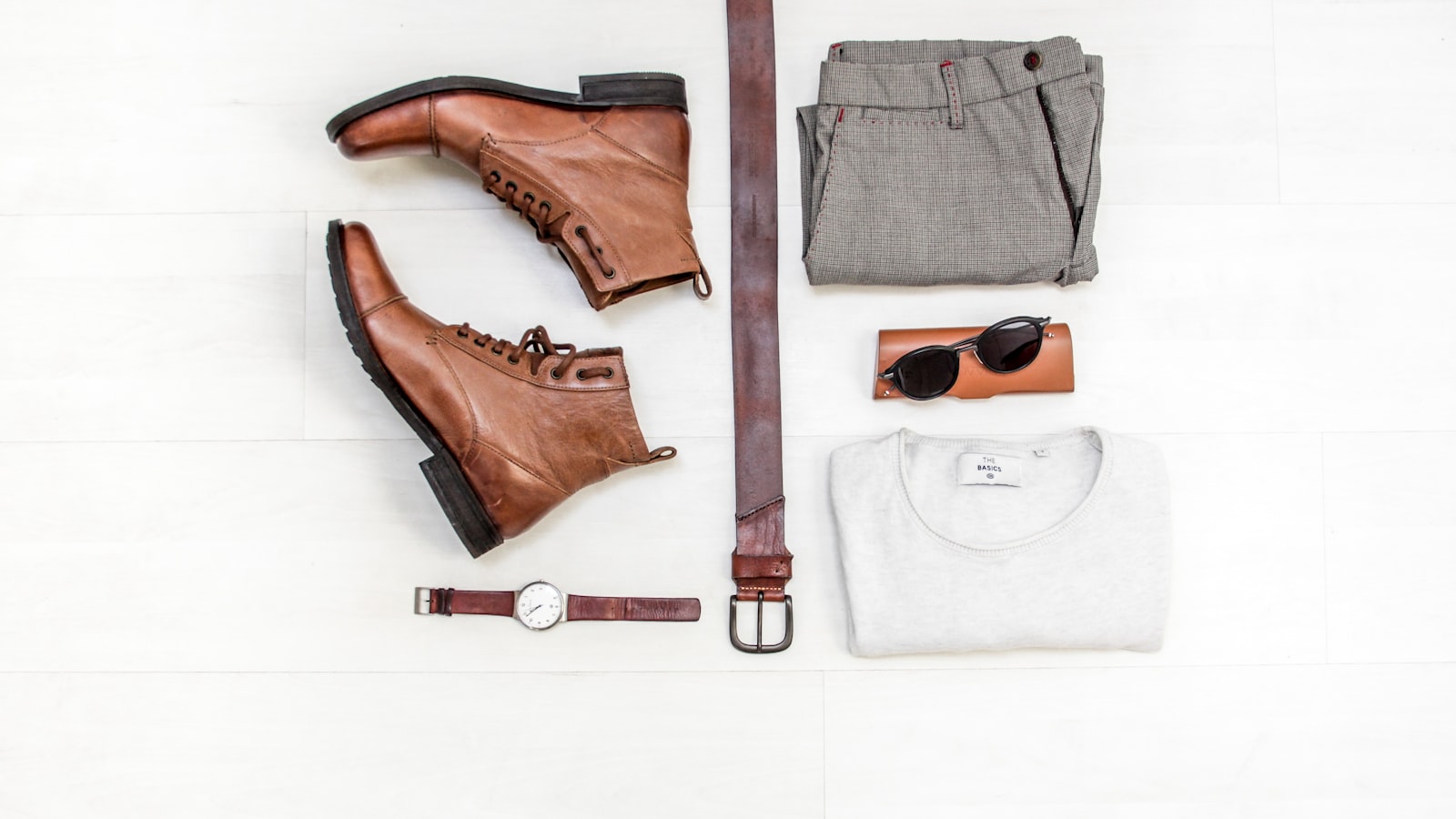
"This suit fits well" is a sentence that carries almost no information. Fit is not an adjective; it is a set of measurable spatial relationships: where the shoulder seam lands, how much shirt cuff shows, how wide the lapel rolls, which rib the waist suppression sits at, how many millimeters the trouser break sits above the shoe. Shift those points by a centimeter or two and the whole garment slides from sharp to merely acceptable.
This piece breaks fit into twelve details, each with a quantified standard. Bring a tape measure into the fitting room, or send the checklist to your tailor. The point is not to memorize every number but to build a spatial sense of where a suit should sit against the body.
The shoulder seam: within 5 mm of the mark
The shoulder seam is the load-bearing wall of a suit. Correctly, it lands exactly on the shoulder point (the acromion), with a deviation under 5 mm. A seam that drifts outward reads as a sloping shoulder and a thick back; one that creeps inward restricts the arm. Padding usually runs 0.8-1.5 cm; wide-shouldered builds take a thin pad, sloping builds a thicker one, but anything past 2 cm looks false.
To test: stand naturally and check from the side that the angle between the shoulder seam and the arm approaches 90 degrees, the sleeve falling vertically without flaring. At a 45-degree arm raise there should be no obvious pull at the shoulder, or the armhole is cut too shallow and needs to be deepened by 1-2 cm.
Sleeve length: 1.2 cm of shirt cuff
The jacket sleeve should sit 1-1.5 cm shorter than the shirt sleeve, with 1.2 cm as the standard. Too much and the sleeve looks short; too little and the layering disappears. Measure with the arm hanging: from shoulder point to cuff, total length is typically height minus 10-12 cm (so 175 cm gives about 63-65 cm).
Whether the sleeve buttonhole is functional (working buttonhole) or false also signals quality. A real buttonhole can be opened to roll the sleeve - the mark of half-canvas and above; a false one is stitched shut, decoration only. Tell them apart by checking whether the hole cuts through the fabric rather than being a painted line.
Shoulders also split into the soft shoulder and the roped shoulder. Italian tailoring loves a slightly roped pad to widen the shoulder; English tailoring stays natural. Wide shoulders should choose the natural shoulder to avoid bulk; narrow shoulders use a faint rope to build shape. From the front, the shoulder line should be a smooth diagonal, not a bump.
Lapels: width in proportion to the tie
Lapel width has rebounded from 7 cm back to 9-11 cm. Narrow lapels (under 7 cm) read fashion-forward and lean but weaker on formality; wide lapels (over 10 cm) are grand and suit broad shoulders. The rule: the widest point of the lapel should roughly equal the widest point of the tie, keeping the two visually balanced.
Lapels come as notch (75-degree angle), peak (upward), and shawl (no notch). The notch is the safe daily business choice; peak lapels suit weddings and dinners; shawl collars belong to evening wear. The break point (collar mouth) sits most classically about 2 cm above the chest pocket.
Sleeve buttons follow their own etiquette: single is casual, double (with cuff links) formal, three leans vintage. Spacing runs about 1.5 cm with the first 0.5 cm from the cuff, neatly aligned. French turn-up cuffs with links are an evening detail; for daily wear a single button suffices, and more starts to look studied.
The waist: taken in below the ribs
The suit waist should suppress at the lower edge of the ribs, 3-4 cm above the navel, with a side taper of 1.5-2.5 cm per side. Too much and it binds, throwing zipper pleats when buttoned; too little and it hangs straight with no waist. With a single button fastened, the side should hold one finger (about 1.5 cm) of ease - a hand fits, a fist does not.
To judge the waist, check the hem after buttoning: it should flare slightly outward into a soft trumpet. If the hem hugs the leg, the suppression is excessive; if it drops straight, there is none at all. The ideal is suppression up top, release below - a clean inverted triangle.
The roll line should fall naturally to the first button; a broken or flipped edge means the canvas is too stiff or the lapel too wide - a sign of weak construction. A higher collar mouth reads more casual, a lower one more formal; business stays within 2 cm above the chest pocket, evening can rise to the pocket's middle.
Jacket length: four fingers past the seat
Jacket length runs from the seventh cervical vertebra to the hem, and should cover the buttock peak (the fullest point) by about a palm's width - colloquially, "four fingers past the seat when buttoned." The precise formula is half your height plus 5-7 cm (so 175 cm gives about 92-94 cm).
Too short looks cramped and bares the waist; too long weighs the figure down and ages it. A casual jacket can run 2 cm shorter and feel sharper; formal wear must hold the seat line. When you squat with hands in pockets, the hem should not ride up to expose the belt - if it does, the length is short.
Single versus multiple buttons change the waist logic: a single button places the waist 3 cm above the navel for maximum leg; a two-button keeps the top button there and the lower one 4 cm lower, opened for ease; a three-button fastens only the middle, classically. The higher the button stance, the more formal and leg-lengthening; test each by buttoning and reading the proportions.
Trouser length: ankle or stack
Trouser length has two main camps. The cropped break shows the ankle (3-5 cm above the shoe, with invisible socks) - lengthening and modern. The slight stack lets the cloth fall onto the shoe with 1-2 natural wrinkles - traditional business. Either way, the break should never drag on the floor and collect dust.
The trouser waist should sit at the navel, the natural waist, not the hips. The waistband should close with one finger of ease (about 2 cm). Crotch depth for formal wear is roughly 0.2 times height; too shallow chafes, too deep sags. The trouser crease must align vertically with the shoe tip - a basic of pressing and cutting.
Vent length follows its own rules: a single vent (20-25 cm) eases walking, a double vent is more elegant but costs more cloth, no vent is cleanest but wrinkles when seated. Above 175 cm, a double vent lengthens the leg; shorter men are sharper in a single. The vent edge should be densely stitched and not flip out, or it exposes underwear - a common flaw in cheap ready-to-wear.
- Cropped break: 3-5 cm above the shoe, with invisible socks
- Slight stack: 1-2 wrinkles on the shoe, traditional business
- The trouser crease must align vertically with the shoe tip
Collar, vent, and the cloth weight behind it all
The shirt collar should rise 1-1.5 cm above the jacket collar, a uniform white line from behind. The jacket's back collar should meet the nape without gap or choke; two fingers of slack is already too loose. A back vent (single) eases walking; double is more elegant; none stays clean but creases when seated.
Finally, read the whole: with arms at rest, the sleeve, waist, and hem lines should fall parallel; in profile the shoulder, waist, and hip should describe a fluent S of suppression and release. Only when all twelve points clear does a suit truly fit, rather than merely "go on."
Suit fabric weight is measured in grams per meter (g/m). Spring-summer cloth runs 230-260 g/m, breathable; autumn-winter 280-320 g/m, with better drape and structure; flannel runs heavier, for cold days. Anything above 340 g/m is a thick tweed, for winter formal or sporting looks.
Count and weight must pair: a high count (Super 130s) with low weight goes transparent and suits summer; a mid count (100s-120s) with mid weight is the universal choice. In the humid south, ~250 g/m wool or wool-linen; in the north, 300 g/m for winter. Read the g/m on the back of the cloth swatch, not just the salesperson's word for "thick."
When the finished garment arrives, self-check against the twelve points and hand the tailor a written list. Priority order: shoulder seam (unfixable, decide at purchase) beats sleeve length beats trouser length beats waist suppression beats hem. Keep the original sleeve-button position when shortening; keep the crease vertical when shortening trousers.
Alterations typically take 3-7 days; book ahead if urgent. After the first alteration, wear it and move - especially the arm-raise shoulder test and the squat crotch test. A good tailor asks about your habits (hands in pockets, cycling) and adjusts accordingly; that is what turns ready-to-wear into a made-to-measure feeling.
Practical checklist
- Bring a tape measure to the fitting; keep the shoulder seam within 5 mm of the mark.
- Sleeve length should run 1.2 cm shorter than the shirt, just enough cuff to show.
- With a single button fastened, the waist should hold one finger of ease - do not over-take.
- Jacket length covers the seat by four fingers: half your height plus 6 cm.
- Trousers should be cropped-to-ankle or lightly stacked; never dragging.
Fit was never mysticism; it is twelve measurable points. You do not need to memorize the list - just remember the three that matter most: the shoulder must be correct (structure cannot be altered), the sleeve shows 1.2 cm of shirt cuff, and the waist suppresses at the lower ribs with one finger of ease. Get those three and everything else is trimming. Do not let marketing words like "slim" or "Korean fit" dictate your choice; let the tape measure and your body speak, and you will out-judge most salespeople in the fitting room. One more: fabric weight is the season switch - 250 g/m for summer, 300 g/m for winter; do not force one heavy suit through all four seasons. Write the g/m into your shopping notes and you will pick the right thickness at a glance. And a final detail: collar-mouth height and vent length are both craftsmanship calibrations - a low collar mouth and a double vent are quiet signs of care. Beyond the twelve points, these small things show true quality. Sleeve-button count and button stance are the fine knobs of formality; a single high-waist button lengthens the leg most. Add those two and the fit judgment is complete.
Frequently asked
Can a ready-to-wear suit be altered to a perfect fit?
Why do zipper pleats appear after I button up?
How should a larger build choose lapel and shoulder?
Does a higher Super count make a suit cooler?
Keep reading
More Apparel
Leather Jackets: Vegetable-Tan, Oil-Wax, and Reading the Grade
Distinguish vegetable-tanned, oil-wax, nappa, and PU by their tempers and grades; build a buying map from material to care.

The Language of Denim Fit: Ounce Weight, Selvedge, and Matching the Cut to Your Legs
Straight, wide, tapered, and skinny each have their wearer; ounce weight and selvedge define a denim's character, with a body-match formula.
Functional Activewear Fabrics: Wicking, Compression, and Matching Intensity
From wicking and compression to temperature control and seamless knitting, align fabric function to training intensity.