The Transitional Weeks: Onion Layering Across 10 to 22 Degrees
A layer plan for a ten-degree daily swing, plus the pieces, fabrics and colours that carry a wardrobe smoothly from one season to the next.

The cruelty of a transitional season is a ten-degree swing inside a single day: cool at eight, warm at one, windy again by six. Dress for the morning and you sweat through lunch; dress for lunch and you shiver on the way home. The answer is not to guess the temperature but to dress in something you can peel, using layers to make uncontrollable weather controllable and keep the body inside a comfortable band instead of being led around by the forecast.
Below: a layering plan across 10 to 22 degrees Celsius, which transitional pieces to choose, and how fabric and colour should shift gradually rather than all at once. In the weeks when nobody knows what to wear, you will be the one dressing with a method, out of the door while everyone else is still deliberating. Transitional dressing tests planning rather than taste, and once the plan exists the temperature swing stops being a daily problem.
How Onion Layering Actually Works
The principle is that every layer is independent, wearable alone and wearable stacked. The inner layer manages moisture, the middle stores heat, the outer blocks wind, and each one stands on its own so removing any of them is never awkward. That rules out a middle layer that can only exist hidden under a coat, and requires a knit presentable on its own, because otherwise shedding the outer leaves you in something you would rather nobody saw, which is worse than being warm.
Unlike winter, where three layers are worn all day, the transitional outer layer is frequently carried rather than worn: on over the shoulders leaving the house, off and over an arm indoors. So it needs to be light and portable, a thin trench or a denim jacket rather than a padded coat. Onion layering is a test of how complete each individual layer is, not how much thickness you can accumulate, and three layers that each stand alone is the mark of a good one.
Self-check: lay the three layers out flat. If each could be worn on its own in public, the onion is sound. A middle layer too odd to show is one that does not belong in a transitional wardrobe at all.
- Every layer stands alone
- The middle layer must be presentable, not merely hidden
- The outer layer stays light and portable, carried more than worn
The Temperature Band Table
Taking 10 to 22 degrees Celsius as the working range: above 22, a single thin long-sleeved top or a shirt is enough. Between 18 and 22, a tee inside with a light cardigan you can shed as it warms. Between 12 and 18, a long-sleeved tee inside, a knit as the middle, a light trench outside, all three in play. Between 10 and 12, swap the knit for heavy wool and the trench for something slightly more substantial, and the temperature management is complete without wrapping into a bear at the first chill.
Below 10 degrees you have entered winter logic and need a genuinely insulating middle layer. Commit the boundaries: dropping to 12 is the signal to change the middle layer to heavy wool, and rising to 20 is the signal to shed the outer. Write the bands and the layers on a note stuck inside the wardrobe, so the transition no longer runs on instinct and a lazy morning does not produce a wrong decision. One glance at the forecast and tomorrow's three layers are already determined.
The boundary numbers: 12 degrees means swap in the heavy middle layer and 20 degrees means take off the outer. Set both as phone reminders and the seasonal guesswork ends.
- 22 degrees and above: one thin long-sleeved layer
- 18 to 22: tee plus light cardigan
- 12 to 18: long-sleeved tee, knit, light trench
- 10 to 12: heavy wool with a slightly heavier coat
Choosing Pieces That Span Both Ends
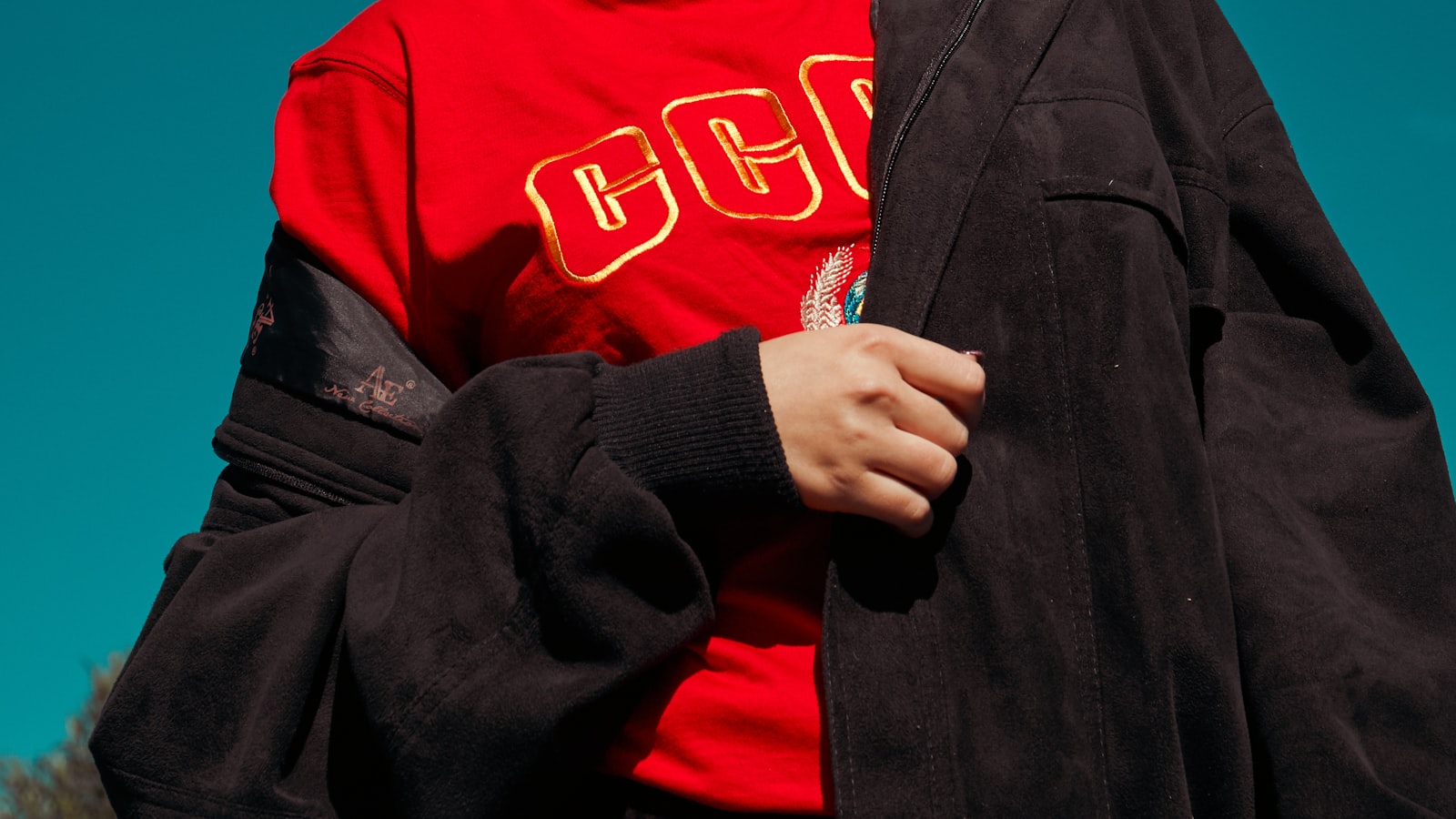
Transitional pieces have to work at both ends of the range. A fine knit can be worn alone in spring and used as a middle layer in autumn. A trench serves both seasons, which makes it far more useful than down for this period. For bottoms, move from cropped trousers with short socks to longer socks, or wide-leg trousers over a thermal base, avoiding the abrupt jump straight into heavy trousers so the legs adapt gradually rather than overnight.
Shoes transition too: white sneakers with thin socks, then loafers with mid-weight socks, then ankle boots. Do not rush to pack away every summer shoe and unpack every winter one, since keeping one or two intermediate pairs is the most practical option available. The value of a transitional piece is precisely that it works at both ends, absorbing the awkward weeks on your behalf so you are never forced into an either-or decision in front of the wardrobe.
The piece ledger: transitional items must span both ends, so a fine knit is worn alone in spring and layered in autumn, and a trench covers both. Buy only what crosses two seasons, and the gap closes.
Fabric Transition: Breathable to Insulating
Fabric moves with the temperature. Early autumn keeps the breathability of cotton and linen, mid-autumn moves to the heat retention of wool and corduroy, late autumn adds a fleece middle layer. Under one unchanged coat, switching the inner layer from silk to knit can shift perceived temperature by around five degrees, which is the real leverage in fabric transition and considerably smarter than adding another garment and its accompanying bulk.
Do not make the jump too abruptly, straight from short sleeves to down. Give the body two weeks to adapt and let the wardrobe rotate in rhythm. A smooth fabric transition halves both the colds and the dressing errors, and skin behaves better too, so the season stops feeling like a fortnight of irritation. Letting fabric apply the brakes is what keeps the body from being thrown by a sharp turn in the weather.
The fabric gradient: cotton and linen in early autumn, wool in mid-autumn, fleece in late autumn, with the same coat over a silk or a knit inner producing about five degrees of difference. Use fabric as the lever rather than piling on more.
Shifting Colour With the Season
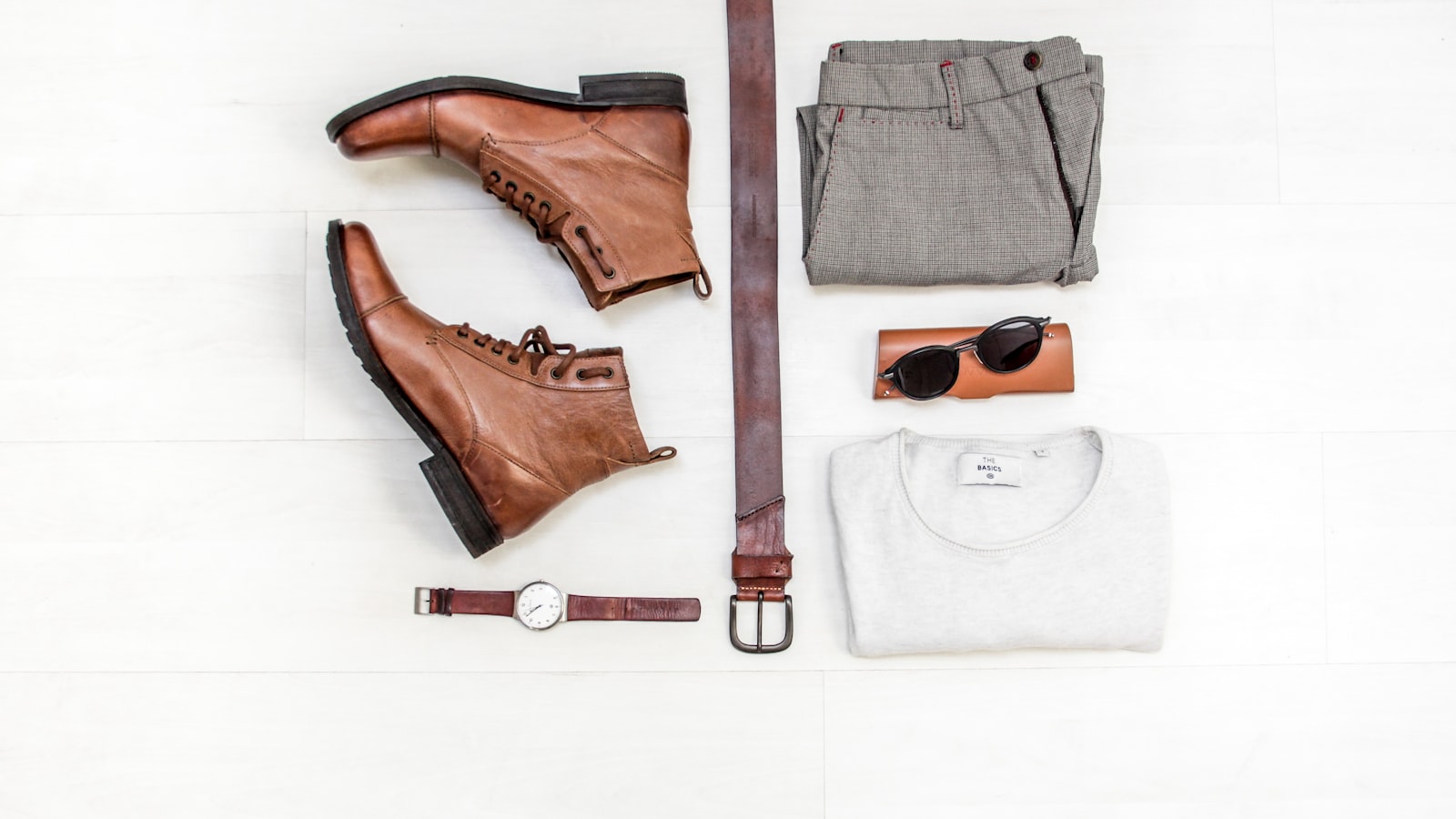
The transition is also an opportunity to retune colour. The clear pale shades of late summer, white and pale blue, give way to the warm neutrals of autumn, camel, olive and caramel, but not all on one day. Introduce one or two warm pieces per week so the wardrobe gradates like foliage and follows the season visually, which reads as being in step with the weather rather than as having bought an entirely new set of clothes.
In practice, keep white inner layers as the transitional base and change temperature in the outerwear and knitwear first. The result carries a residue of summer with a signal of autumn, which is far more natural than an abrupt switch. Colour transition works best half a step behind, which is also easier on the eye and prevents the expensive mistake of replacing everything at once and looking discordant anyway.
The colour ledger: one or two warm pieces per week, gradating like foliage rather than switching overnight. Half a step behind looks the most natural and spends the least on new clothes.
Shoes, Socks and the Details
The most overlooked area is the ankle, which is where the cold gets in first. Use a mid-length sock, or cropped trousers with an ankle boot so the ankle is exposed but the foot is not cold. Move sock colour from pale to dark as the season progresses, and match them to the bottom half for the longest leg line. Leave gloves and scarves until late autumn rather than wrapping up prematurely, because the repeated putting on and taking off when temperatures rebound is exactly how people catch colds.
Bags transition too: straw in summer, leather in autumn, colour moving from pale khaki to deep brown. Gradual change in the details is what makes an outfit read as in-season rather than randomly assembled. The real skill in transitional dressing tends to hide in small places like the ankle and the bag, which nobody can name but everybody registers as looking right.
The storage numbers: use clear bags divided into three zones, below 10 degrees, 10 to 20 degrees, and above 20 degrees, each labelled. Grab the relevant bag each day, since roughly eighty per cent of transitional chaos comes from unzoned storage.
Laundry and Storage Rhythm
Do not swap the whole wardrobe in one go. Keep two summer outfits and two autumn outfits in rotation for a fortnight so your body and the weather stay synchronised. On care: turn wool knits inside out, hand-wash cold and dry flat to avoid distortion, and spot-clean coats rather than fully washing them, which preserves the structure that makes them worth wearing.
Store in clear bags divided by temperature zone: below 10, between 10 and 20, above 20, each labelled. Check the forecast and take the relevant bag, which removes the daily rummaging. Around eighty per cent of transitional disorder is a storage problem, and once the zones exist the temperature swing stops registering as a difficulty at all.
Stated once: a transitional season is fundamentally about breaking the weather into controllable layers, switching by temperature band and letting pieces migrate slowly. With the layering right, the swing becomes an ordinary day you already prepared for.
One more thing: do not rush to store summer shoes and buy winter ones. Keep one or two intermediate pairs, because footwear signals the season earlier than clothing does and a comfortable ankle settles the whole body.
Hold this layering method for a single season and the daily anxiety about temperature disappears, while the wardrobe turns over in step with the weather instead of against it.
Practical checklist
- Make every layer wearable alone, and insist the middle layer be presentable rather than merely hidden
- Memorise the boundaries: 12 degrees for the heavy middle layer, 20 degrees to shed the outer
- Choose transitional pieces that work at both ends, which absorbs the awkward weeks for you
- Move fabric gradually from breathable cotton and linen to wool and corduroy, without leaping
- Add one or two warm-coloured pieces a week so the palette gradates rather than switching overnight
Transitional dressing is the practice of breaking uncontrollable weather into controllable layers. Use onion layering, switch by temperature band, and let pieces, fabrics and colours migrate slowly, and you will be the most organised person dressing in the least organised weeks of the year. Judge a transitional outfit by two questions: are you still presentable with one layer removed, and are you warm enough with it back on. Get the layering right and the swing stops being an incident. It becomes an ordinary day you saw coming.
Frequently asked
What do you wear when morning and evening differ by ten degrees?
How should sensitive skin choose fabric during the transition?
Keep reading
More Styling
Dressing Petite: Division Points, Waist Placement and What Shoes Actually Do
Hem lengths by height, an exact waistline position and shoe choices that extend the leg, all measurable and all repeatable.

Dressing for Interviews: Industry Calibration and the First Seven Seconds
Calibrate formality to the industry, work the variables that genuinely shape a first impression, and run a checklist before you leave.

Minimalism Without Blandness: The Three Compensations
Cut supplies shape, material supplies substance, detail supplies sincerity, and together they fill the space that subtraction leaves behind.