The Etiquette of Men's Formal Color: Navy, Charcoal, and the Occasion Gradient
From navy, charcoal, mid-grey, to black, build the etiquette gradient of formal color with a shirt-and-tie palette checklist.

The choice of formal color for men is often reduced to "black is most formal." That is the deepest misconception. In Western business and etiquette tradition, black is reserved for funerals and evening wear; the most decent daily business color is navy or charcoal. Wrong color makes you look like you misread the room at best, overly solemn where you should not be at worst.
This piece builds a formal color gradient - navy, charcoal, mid-grey, black - each mapped to its occasion, then the shirt-and-tie color logic. So in any formal scene, you get the "weight" right at first glance.
Navy: the first color of business versatility
Navy (a near-black deep blue) is the safest, most decent color in men's formal wear, suiting interviews, daily office, and client meetings across most scenes. It is softer than black, has more presence than grey, and flatters the complexion. On navy hue: a brighter blue reads younger, a blacker-blue reads steadier - the workplace takes the latter. Fabric in worsted wool 110s-130s is crispest.
A navy suit with a white shirt is orthodox; with a light blue shirt softer; the tie can take wine red, deep green, or a dark check. Navy is the "cannot go wrong" base color - the first suit with no brain needed. Avoid the mismatch of navy with pure black shoelaces; black shoes are fine with navy, but the tie should not be pure black (that reads funeral).
The hierarchy of charcoal and mid-grey
Charcoal (deep grey near black) sits slightly below navy but above mid-grey in formality, for slightly relaxed business and industry events - more "low-key, no stealing the show," suited to attending as a subordinate. Mid-grey is lighter, leaning smart-casual, for casual Friday, creative industries, spring-summer.
Grey's advantage is tolerance of shirt colors: white, light blue, pink, stripes all work. Charcoal with white shirt is sharpest; mid-grey with light blue most relaxed. Avoid charcoal with a pure black tie (dull); switch to deep blue or wine. Grey flatters yellow-toned skin (common among Asians) without yellowing the face - a worthy investment beyond navy.
Tie and suit warm-cool coordination: a warm suit (navy-blue, charcoal) with a warm tie (wine, mustard) reads spirited; a cool suit (pure black, deep grey) with a cool tie (royal blue, silver) reads sharper. Yellow-toned skin takes a warm tie to lift the complexion, avoiding cool blue-purple that yellows the face. The tie is the only large color block in the outfit; get warm-cool wrong and the whole thing tilts.
- Navy: the first color of business versatility, interviews and office alike
- Charcoal: low-key formal, for scenes needing invisible presence
- Black: reserved for dinner and funeral, too solemn for daily business
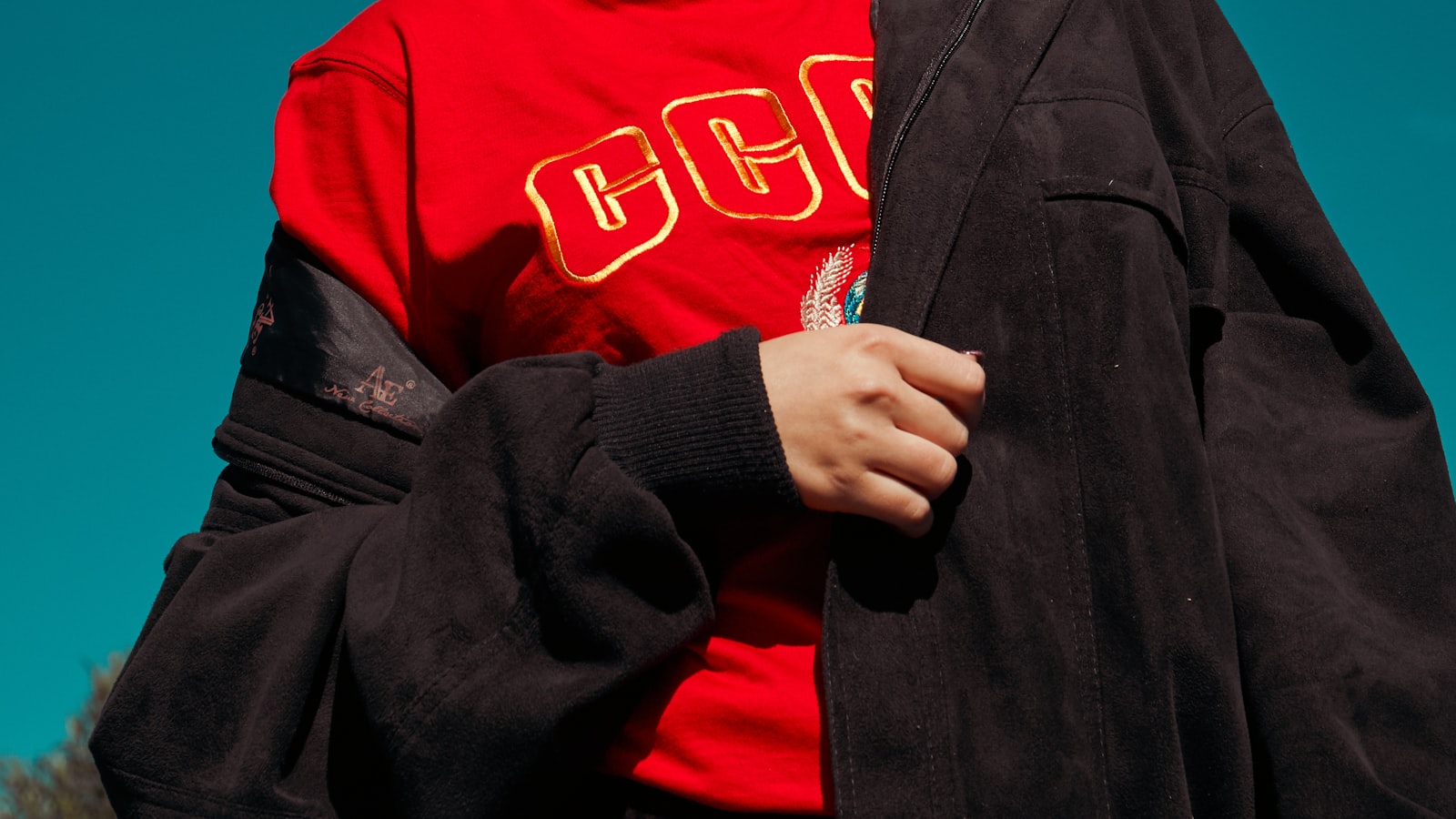
Black: the overused formal color
In orthodox etiquette, the black suit is for evening wear (cousin to the tuxedo) and funerals; an all-black business suit by day is too solemn, even reading like a service uniform. Daily, unless a very formal dinner or award, avoid the black suit at work. Black has low tolerance: poorly matched it looks dull, and it easily shows old (black develops white shine).
If black is required (some industry uniforms), lift it with a white shirt and silver-grey or wine tie, avoiding the oppression of an all-black three-piece. The smarter move is to keep black for evening and use navy or charcoal by day. Note: in Chinese workplaces black is accepted, but for professional depth navy remains first.
The shirt and tie color logic
Shirts rest on white and light blue as the two proper colors - white most formal, light blue most approachable. Pink and stripes are advanced; bright colors cautious in formal settings. The tie is the "finishing touch" with the rule: the tie darker than the shirt, same family or complementary to the suit. Navy suit with wine tie is classic; charcoal with deep blue check steady; mid-grey with a bright tie lifts.
Tie pattern: solid most formal, fine rep stripe business, polka slightly casual, wide geometric cautious in formal settings. Width aligns with the lapel (a 9-11 cm lapel with an 8 cm tie). Tie length to the belt's lower edge; too long or short is impolite. The pocket square can take the tie's color family in a different pattern, adding detail without stealing the show.
Pocket-square etiquette: same color family, different pattern from the tie (wine striped tie, wine polka square) is most classic; a pure white linen square is safest and most formal; a patterned square pairs with a plain tie. The square should show under 1.5 cm above the pocket, not stuffed full - a "thoughtful but not studied" detail. Cartoon squares drop the formality.
Shoes, socks, and the overall weight
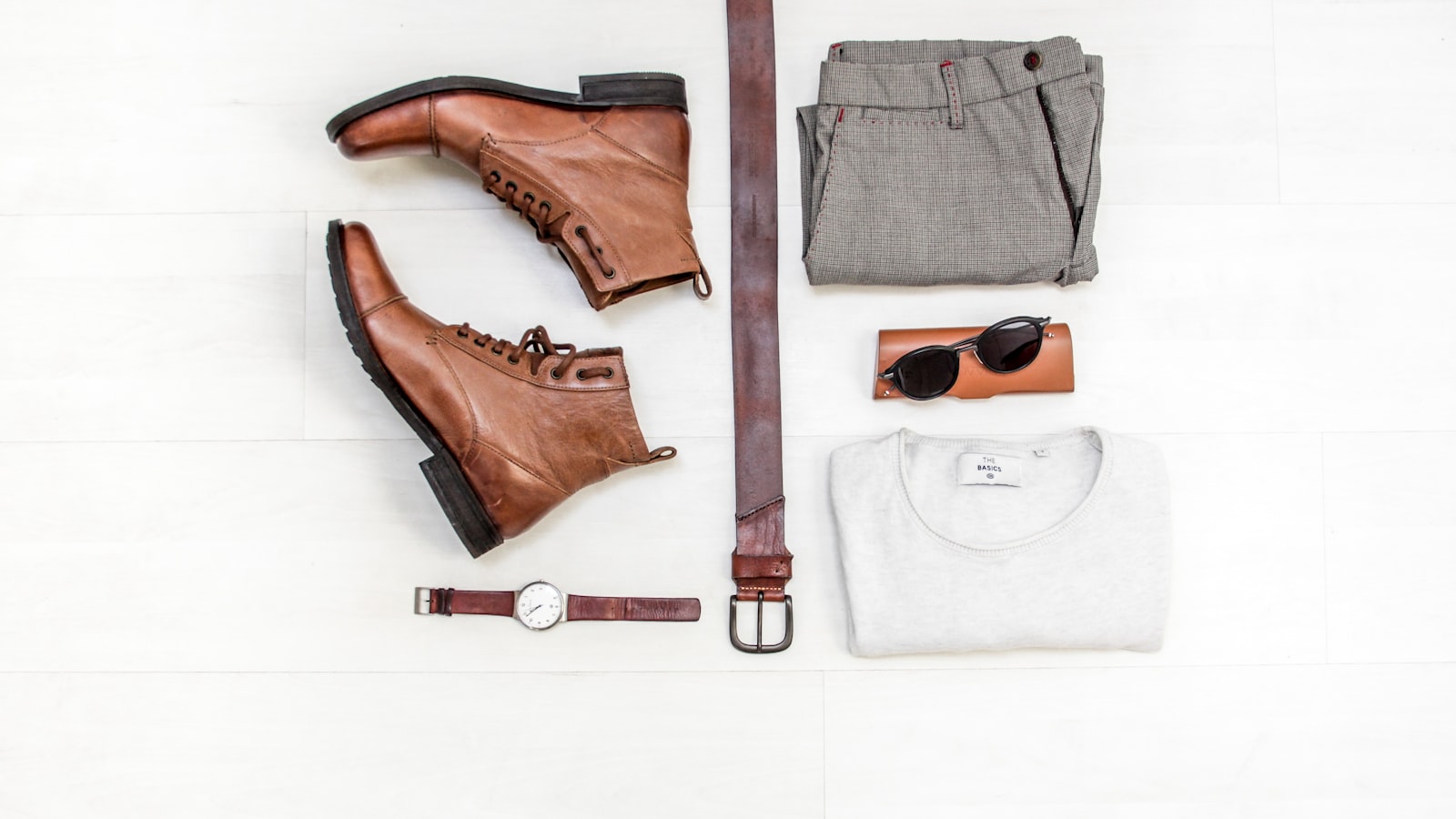
Shoe color follows the suit: black suit with black shoes; navy or charcoal with black or dark brown oxford/derby; mid-grey with dark brown more relaxed. Socks must match the trouser or be darker, showing no leg when seated - avoid white socks with formal wear (the sneaker feel breaks formality). The belt matches the shoe, with a simple metal buckle. The overall weight logic: the more formal the scene, the darker the color and the fewer the accessories.
Accessory restraint is part of etiquette: one pair of cufflinks is enough, a brooch unnecessary, the watch simple. Over-decorating subtracts in formal settings. A practical principle: count the "highlights" on your body - the tie counts as one, the rest at most one more (say a pocket square); over two reads fidgety.
Ordering colors by occasion
The occasion gradient: funeral/dinner goes black; important interview/client meeting goes navy; daily office/industry event goes charcoal; casual Friday/creative goes mid-grey. In summer, beige or light-grey linen breaks the gloom but drops formality. For overseas business, read the locale: Europe and America strictly navy/charcoal; East Asia (including China) accepts black but navy shows more depth.
Investment order: first suit navy (universal), second charcoal (layer), third mid-grey or a seasonal color (relaxed). Black can wait unless dinner demands it. Three suits cover 95% of formal scenes, smarter than chasing ten flashy colors. Color is the language of etiquette - learn the gradient before personality.
The shoe-style ladder: the oxford is most formal (closed lace), the derby next (open lace), the loafer leans casual, the sneaker banned from formal. A black suit takes black oxfords; navy or charcoal can take black or dark brown oxfords. Half a suit's aura is in the shoes. A clean shoe, more decent than the clothes' price.
Suit pattern and the language of setting
Suit pattern is also etiquette language. Solid is most formal; the fine pinstripe is traditional banker, suited to finance formal; the thick stripe leans American casual; the glen check or windowpane is English academic, business-relaxed; jacquard subtle is low-key tasteful.
Rule: the more formal the scene, the smaller the pattern (solid beats fine stripe beats check). Interview in solid navy or fine stripe; creative industries can show personality with a check. The bigger the pattern, the more casual - a big check suit stays out of the boardroom. A shirt stripe with a solid suit is safest; a check suit with a white shirt cleanest.
Beyond color, cut serves the body. Tall-thin takes double-breasted to add volume and avoid thinness; short-stocky takes single-breasted single-button with an open V; the heavy takes single-breasted two-button in dark to recede; the thin-tall takes structured padding at the shoulder. Fabric drape (high weight) helps the heavy appear structured; light thin shows the thin.
The slightly chubby avoid bright and thick checks (expand); navy or charcoal recede. The thin avoid all-black (thinner still); navy with light blue adds layer. Color sets the etiquette weight, cut sets the body modification - overlay the two for complete formal logic; color alone misses half.
Practical checklist
- The first suit with no brain takes navy - more decent than black.
- Save the black suit for dinner and funeral; by day it is too solemn.
- Charcoal is low-key, for scenes needing invisible presence.
- The tie darker than the shirt, width aligned with the lapel.
- Socks match or exceed the trouser; no white socks with formal wear.
A man's formal color is a language of etiquette, not an extension of personal preference. Lock the gradient: black (dinner, funeral) to navy (interview, meeting, universal) to charcoal (low-key formal) to mid-grey (relaxed casual). The first suit with no brain takes navy - more decent than the overused black, more presence than grey. Hold the shirt to white and light blue, the tie darker than the shirt with width aligned to the lapel, the socks matching or exceeding the trouser and never white. Internalize this gradient and you will never lose etiquette by "wrong weight." Get the color right and the professionalism stands. One pattern note: solid is most formal, check most academic - pattern size is the dial of casualness. Color sets the weight, pattern sets the setting; read both together. And a note: the tie's warm-cool and the shoe ladder are two invisible switches of formality - shoes expose more about your care than the clothes. Read color with these two and men's formal wear is truly complete.
Frequently asked
Why is a black suit not right for the office?
How do I choose a tie without error?
Does grey make the face look yellow?
Is a pinstripe suit suitable for an interview?
Keep reading
More Apparel
Leather Jackets: Vegetable-Tan, Oil-Wax, and Reading the Grade
Distinguish vegetable-tanned, oil-wax, nappa, and PU by their tempers and grades; build a buying map from material to care.

The Language of Denim Fit: Ounce Weight, Selvedge, and Matching the Cut to Your Legs
Straight, wide, tapered, and skinny each have their wearer; ounce weight and selvedge define a denim's character, with a body-match formula.

Functional Activewear Fabrics: Wicking, Compression, and Matching Intensity
From wicking and compression to temperature control and seamless knitting, align fabric function to training intensity.