Leather Jackets: Vegetable-Tan, Oil-Wax, and Reading the Grade
Distinguish vegetable-tanned, oil-wax, nappa, and PU by their tempers and grades; build a buying map from material to care.

The leather jacket is one of the few garments that looks better with age - provided you bought the right leather. From a three-thousand-yuan calfskin to a three-hundred-yuan PU, the price gap is ten times yet the look can seem similar, so beginners easily step wrong: spending real-leather money on a split hide with sprayed coating, or buying PU thinking it is top-grain to break in. The tempers of different leathers - softness, patina, lifespan, price - differ enormously.
This piece breaks the jacket into four materials (vegetable-tanned, oil-wax, nappa, PU) and a grade system (top-grain, split, corrected), explains each temper and how to tell them apart, and gives a working care rhythm. So you buy not "the look of leather" but a specific kind of leather.
Top-grain, split, and corrected grades
Real leather splits into top-grain (the grain layer) and split (the fiber layer). Top-grain keeps the natural grain, is strong, breathable, and develops patina - the material of quality leather jackets. Split is the fiber layer ground from below the top-grain; it needs a film or transfer coating to be usable, with short life, stiffness, and no breathability. Corrected grain sands the top-grain flaws then presses a pattern and sprays - uniform but loses the natural feel, sitting between the two.
To tell: top-grain has natural pores and irregular texture; bending shows fine wrinkles that return slowly; split has a uniform, filmed gloss and bends stiffly. Cross-section: top-grain fiber is fine and dense; split shows clear layering. On price, a top-grain calfskin jacket at 2000-6000 yuan ($280-$840) is fair; split or PU mostly 300-1000 yuan ($42-$140).
- Top-grain: natural grain, develops patina, longest life
- Split: filmed fiber layer, stiff and short-lived
- Corrected: sanded and sprayed, uniform but unnatural
Vegetable-tanned: the hard man that patinas
Vegetable-tanned uses plant tannins (tannin) to tan, keeping the leather's original texture - stiff, dense, hard at first, but slowly darkening with wear and sun into a honey patina, a leather that "records time." It is not waterproof and fears water stains, yet becomes unique once broken in. Used for workwear and moto-vintage looks, jackets run 2500-5000 yuan ($350-$700).
To identify vegetable-tan: the cross-section fiber is natural with a grassy smell; water absorbs fast (if unfinished); color is uneven with growth lines. Beginners note it is hard initially and needs months of "breaking in" to soften - skip it without patience. It fears water and oil; wipe dry and shade-dry immediately after rain or it marks.
Leather thickness is marked in ounces (oz) or millimeters: moto leather commonly 1.0-1.2 mm (about 2.5-3 oz) for stiffness and scratch resistance; below 0.8 mm is too soft and tears; above 1.5 mm is hard to move in. Read the thickness on the label, not just the word "top-grain" - two top-grains differ in thinness, so choose by use.
Oil-wax and nappa softness
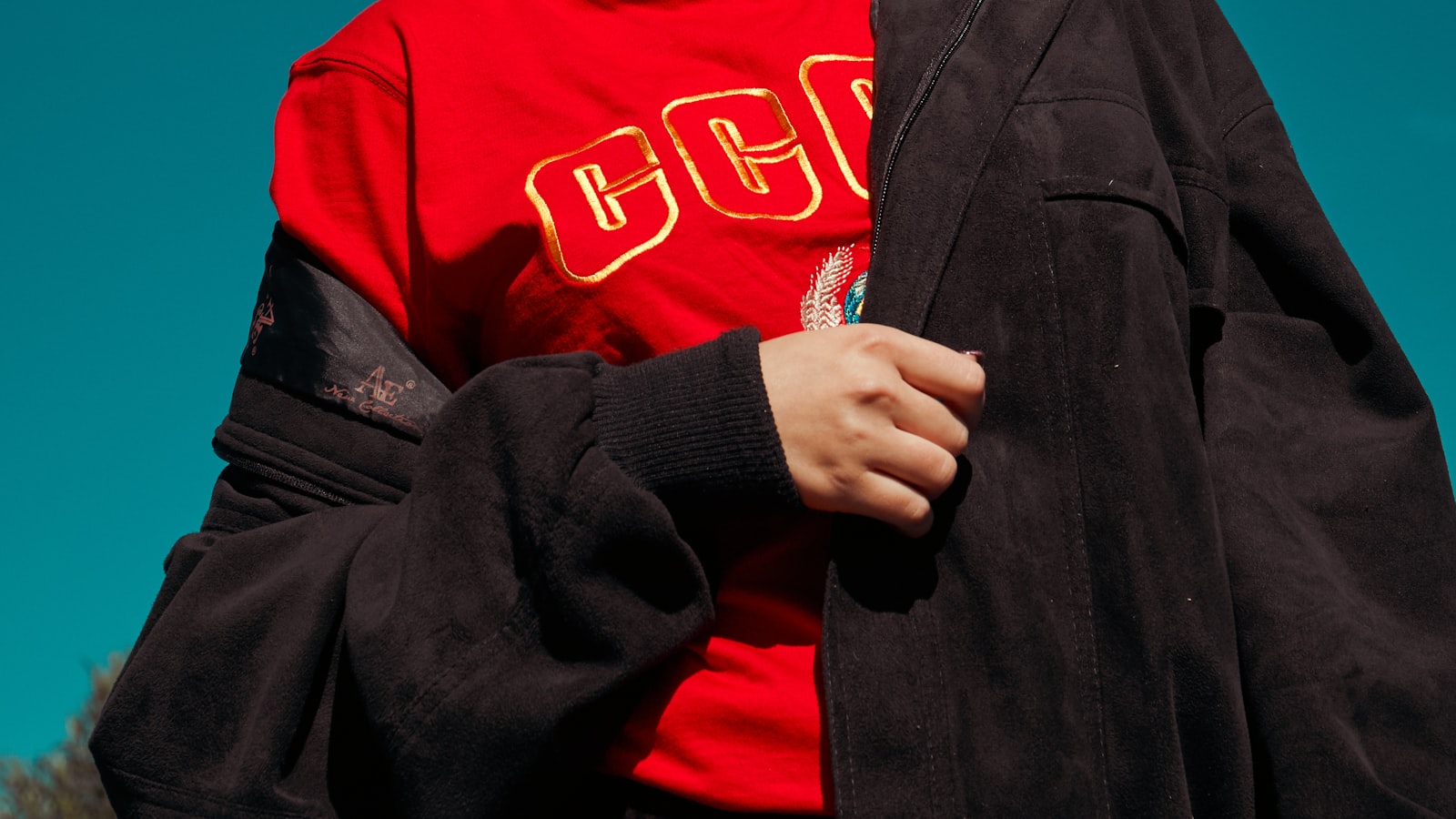
Oil-wax (oil/wax pull-up) injects oil and wax into the leather, giving a distressed sheen; scratches leave marks (the pull-up effect) that fade as the wax flows with friction heat - a vintage charm. It is soft and resilient, suiting moto and casual jackets, priced 2000-4500 yuan ($280-$630). Nappa uses the grain of young calf or lamb, tanned extremely soft and fine, silk-like to the touch - the softest real leather - mostly for business soft jackets, priced 3000-8000 yuan ($420-$1120).
The difference: oil-wax has a distressed, mark-changing character; nappa is pure softness. Identify nappa by a flawless surface with a cool, smooth, fast-returning hand; oil-wax by scratches that fade with a warm rub. Nappa is delicate and fears scratches; oil-wax is durable but fears high heat melting the wax layer.
The line between PU and real leather
PU (polyurethane) is synthetic: a non-woven base coated with PU paste. It can imitate leather but has no pores, no breathability, a 1-2 year life, and cracks in the cold. Microfiber is an upgraded PU whose base mimics leather fiber - closer and more durable, but still not real. Tell real from PU by cross-section (PU is uniform coating plus cloth base), smell (PU plastic), and water (PU rolls off, does not absorb); bending, PU returns fast with no natural wrinkle.
PU is not unbuyable - on a budget or for a specific matte look it is fine, but not at a real-leather price. Buying real-leather money for PU is the biggest trap. If an e-commerce "real leather" does not state "top-grain cow" and sits under 800 yuan ($110), it is basically PU or split. Insist on the words "top-grain cowhide" or "top-grain sheepskin."
Leather lining splits into full, half, and none: full (smooth throughout) eases wear and protects the inner face; half (sleeves only) breathes but the body side rubs; none (sleeves only) breathes most but sticks to skin. South takes half or none, north takes full for warmth. A cupro lining costs more than polyester but is kinder to skin - a craft divide.
PU can be bought, but not at the price of real leather.
Hardware, stitching, and jacket cut
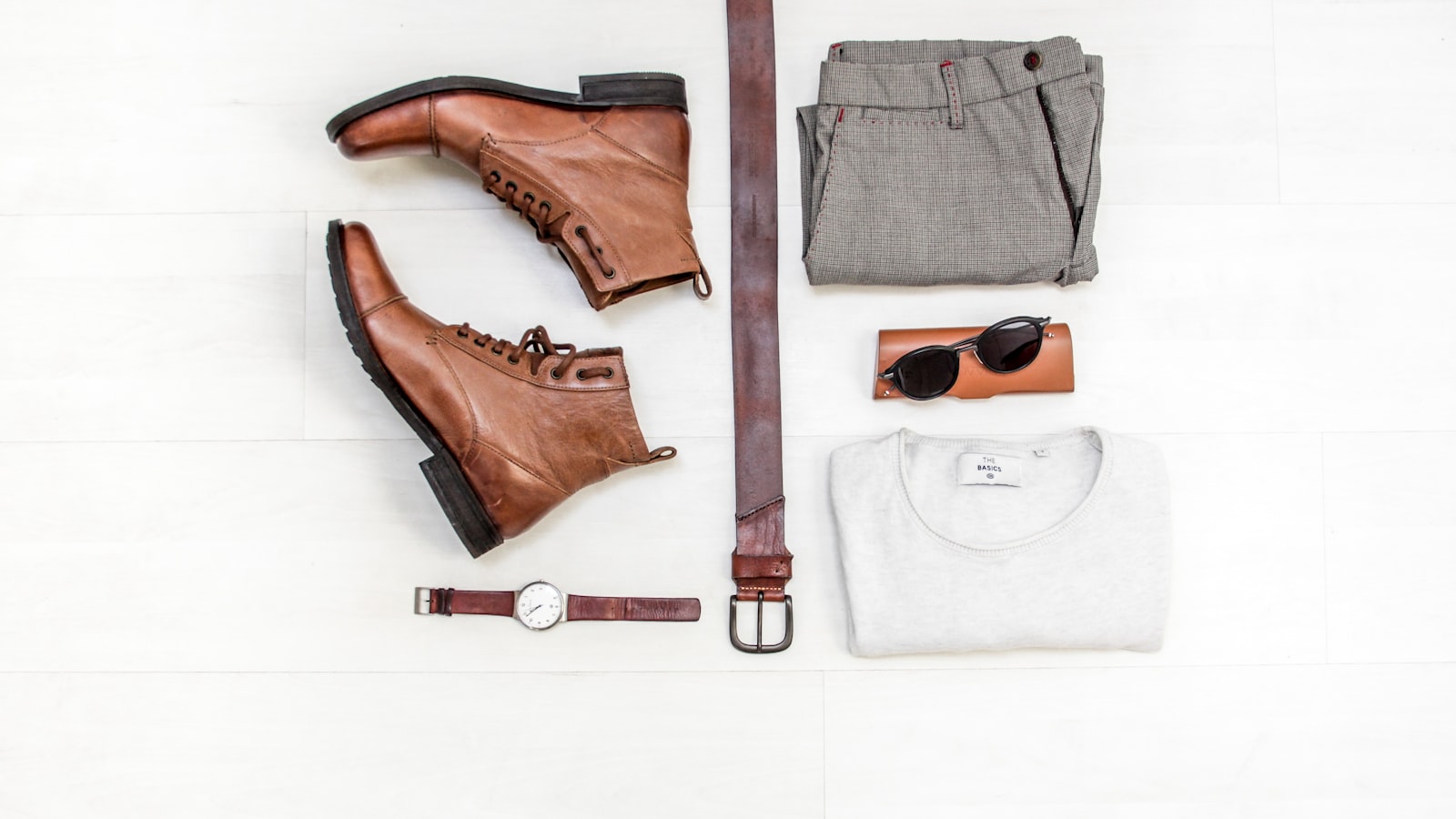
Leather hardware prizes YKK or brand zippers - smooth, weighty, not broken after two uses; cheap zippers fail fast. Stitching uses high-strength polyester at 4-5 stitches per centimeter, topstitch about 0.3 cm wide. The cut lives at the shoulder and armhole: leather is hard to alter, so the ready-to-wear shoulder must be right, with sleeve length adjustable only 1-2 cm. Moto styles with shoulder straps and diagonal zip pockets are classic; business takes minimal nappa with no extra decoration.
In the try-on, note leather is stiffer than cloth with less movement; raising the arm to shoulder height should not pull. The lining should be smooth acetate or cupro so it does not catch on a sweater. The closure stitch at collar, cuff, and hem must be dense or the leather edge curls. A good leather jacket shows no glue marks at the seams - all sewn.
Care rhythm and price bands
Care rhythm: each quarter, thinly coat a leather cream (with oil) to preserve and avoid cracks; store on a wide hanger to prevent deformation, in a ventilated spot, never a sealed plastic bag (leather breathes); after rain, immediately blot with a soft cloth and shade-dry, no sun or tumble. Oil-wax can take occasional wax; vegetable-tan avoids water and relies on natural patina; nappa fears scratches and hangs alone.
Price overview: PU/split 300-1000 yuan ($42-$140); top corrected 1000-2000 ($140-$280); top oil-wax/vegetable 2000-5000 ($280-$700); nappa 3000-8000 ($420-$1120). Investment logic: buy one top oil-wax or nappa worn ten years, worth more than three PU replaced in three. Secondhand top-grain at 30% of retail is a shortcut in.
Smell identifies origin: Italian vegetable-tan carries a nutty, grassy scent; domestic vegetable-tan leans raw-hide; synthetic carries plastic. A slight leather smell on new is normal; a pungent chemical smell means bad tannage or PU. If ventilation for two weeks does not clear it, it likely holds much chemical treatment - sensitive skin should avoid. Smell is the last leather test.
Alteration limits and storage
Leather alteration room is minimal: the leather is hard to alter at the shoulder, sleeve length can shrink only 1-2 cm (needing a re-applied cuff), and the waist barely moves. So the ready-to-wear must fit once - do not count on a tailor for big changes. Before buying, raise your arms and squat to confirm movement.
Store on a wide leather hanger (prevent shoulder deformation), in a breathable dust bag, ventilated, never a sealed plastic bag (leather molds). Long-unworn, take it out to air one day a month. For mold spots, gently wipe with a dedicated leather cleaner, no water. Leather builds more patina with wear - but only if it started as real top-grain.
Secondhand top-grain is a value shortcut, often 30% for good condition. When hunting, check: no cracks, smooth hardware, intact lining, no mold or hard spots. Focus on cuff and collar wear (the most consumed points); wrinkles as natural patina are acceptable, broken leather is not.
Smell: real leather has a plain hide fragrance; avoid mold or chemical smells. Price reference: secondhand top oil-wax at 800-2000 yuan ($110-$280) is fair, nappa pricier. Clean and care before wearing. The secondhand market runs deep - insist on a "top-grain" description with real-photo details, and on arrival use the cross-section, smell, and water three-test.
Practical checklist
- Insist on "top-grain cowhide/lambskin"; under 800 yuan ($110) is mostly PU.
- Vegetable-tan patinas but is hard at first; break it in with patience.
- Oil-wax scratches fade with a rub; nappa is delicate and fears scratches.
- Read cross-section and water test to tell real leather; PU rolls off.
- Quarterly cream, wide hanger, ventilated storage - never sealed.
Buying the right leather matters more than buying the right style. Hold the grade ladder: top-grain (natural grain, ages) beats corrected (sanded and sprayed) beats split (filmed, short-lived) beats PU (synthetic). The four common leathers each have a temper - vegetable-tan patinas but is hard, oil-wax is marked yet durable, nappa is soft but delicate, PU is cheap but short-lived. Tell them by cross-section, smell, and water - three moves; a "top-grain" under 800 yuan ($110) is basically PU. Invest in one top oil-wax or nappa worn ten years, far more decent than three PU in three years. Leather is a friend of time, provided it started as real top-grain. One hunting note: secondhand top-grain at 30% is often good, but only if you can inspect the leather. Bring the cross-section, smell, and water three moves and you are steadier than most in the market. And a note: thickness in ounces and lining type decide a leather jacket's wearing scene, not merely the words "top-grain." Add thickness, lining, and smell as three gates and leather buying is truly cleared.
Frequently asked
How do I tell real leather from PU at a glance?
What do I do if my leather jacket gets rained on?
Why is nappa pricey yet delicate?
Can a leather jacket be taken in?
Keep reading
More Apparel
The Language of Denim Fit: Ounce Weight, Selvedge, and Matching the Cut to Your Legs
Straight, wide, tapered, and skinny each have their wearer; ounce weight and selvedge define a denim's character, with a body-match formula.
Functional Activewear Fabrics: Wicking, Compression, and Matching Intensity
From wicking and compression to temperature control and seamless knitting, align fabric function to training intensity.

The Physics of Down Warmth: Fill Power, Fill Weight, and the Conversion That Matters
Use three rulers - fill power, fill weight, and down cluster content - to calculate whether a down jacket is warm enough for a given temperature.