Top, Heart and Base: How a Fragrance Is Structured and Smelled
How the perfumer's pyramid unfolds across the day, and the disciplined method for smelling a scent without fooling yourself.
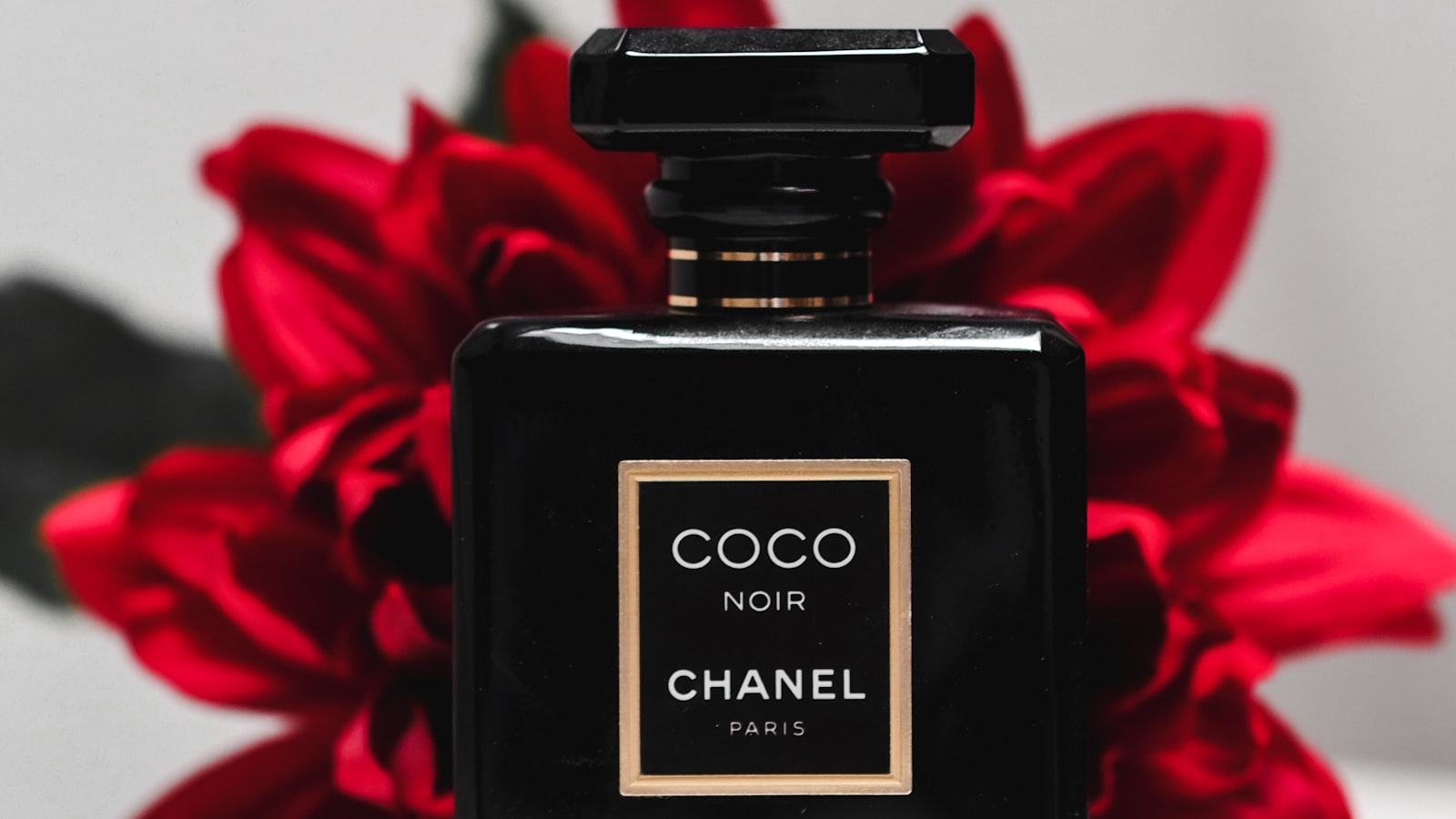
Every fine fragrance is a time-based composition, not a static smell. The perfumer builds it as a pyramid with three moving tiers, each designed to surface at a different moment after application, so that the experience you have at nine in the morning is not the one you carry to lunch. The top notes are the bright, volatile opening; the heart is the communicative middle; the base is the slow, enduring foundation. Understanding this architecture is the difference between judging a perfume in the first thirty seconds and judging it over the six hours it actually lives on your skin.
The pyramid is also a teaching tool for the wearer. Once you know that what you smell in the opening is engineered to evaporate fastest, you stop discarding a bottle because its first impression was sharp, and you stop falling for a gorgeous top that vanishes by the time you reach the train. Learning to smell properly means rehearsing patience: giving a scent an hour, then three, then six, and noting where it lands. The discipline pays off in fewer regretted purchases and a far clearer sense of your own taste.
The top: volatile and honest about nothing
Top notes are built from the lightest molecules in the formula: citrus oils, aldehydes, light herbs and certain synthetic uplifts. They evaporate within fifteen to forty five minutes, which is precisely why they are used to create a striking first impression rather than lasting presence. A perfume's opening is a greeting, not a promise, and judging the whole composition by it is like judging a meal by the amuse bouche. The evaporation window of tops is governed by molecular weight and volatility; the smaller and lighter the molecule, the faster it leaves the skin and the air.
The practical consequence is that top notes are the least representative part of any fragrance. A sharp alcohol or lemon blast at the spray is not the scent you paid for; it is the curtain before the play. Testers in stores, sprayed on paper and smelled instantly, show you almost exclusively this tier, which is a poor basis for a purchase and the reason so many bottles disappoint once worn home and given time to develop.
It is worth saying that not every perfume follows the textbook curve, and deliberately linear scents are a modern trend. Many clean musks and aromachemical compositions are built to smell nearly the same from first spray to last, which can disappoint a wearer expecting a journey. Recognising whether a scent is pyramidal or linear changes how you judge it, because a linear musk that seems flat at the opening is doing exactly what it was designed to do.
The heart: where the character lives
The heart, or middle notes, emerge as the tops recede and dominate roughly from thirty minutes to three or four hours after application. This is the communicative centre of the perfume, usually built on florals, spices, fruits and green materials that bridge the bright opening and the heavy base. For most wearers the heart is the truest expression of a scent's personality, the part you actually live with through a working day. A composition is only as good as its heart, because the top is gone quickly and the base, however beautiful, sits too close to the skin to define the wear.
Perfumers spend disproportionate effort balancing the heart against the base so the transition is seamless. A poorly built scent shows a harsh seam where the citrus dies and the woods appear with nothing between, a flaw you only catch by wearing it for a few hours rather than sniffing a strip at the counter. The heart is therefore where the perfumer's craft is most exposed, and where your patience as a wearer is most rewarded.

The base: the slow foundation
Base notes are the heaviest materials: woods, resins, musks, vanilla, patchouli and animalic accents that evaporate slowly and anchor the whole structure for four to ten hours. They sit closest to the skin and project least, which is why a fragrance at the end of the day reads as a personal aura rather than a broadcast. The base is also where skin chemistry exerts its strongest effect, because the warm, oily film of your skin interacts most with these heavy molecules. A scent you love in its heart can turn sour or flat in the base on the wrong skin, which is why the drydown is the truest test.
Because bases last longest, they are the part most responsible for a fragrance's reputation for longevity. When someone says a perfume does not last, they usually mean the heart and base faded faster than they wanted, not that the top disappeared, which is expected of every perfume without exception. Understanding this rescues you from blaming a bottle for doing exactly what physics requires of it.
The evaporation window, hour by hour
A typical eau de parfum unfolds across a predictable if approximate curve. The first zero to forty five minutes is tops, often intense and sometimes alcoholic. From forty five minutes to roughly three hours the heart dominates and the scent reads as its marketing promises. From three hours onward the base takes over and the projection drops, leaving a skin scent that may persist to hour eight or ten. Environmental factors compress or stretch this curve: heat accelerates evaporation and shortens wear, cold slows it and extends the base, and humidity thickens the air you project into.
Knowing the curve lets you reapply intelligently. Rather than spraying again when the whole thing seems gone, you can top up at the three hour mark when the heart is fading, which restores the experience more efficiently than a single heavy morning application. Timing your second spray to the architecture of the scent is the difference between constant presence and a midday void.
How to smell without fooling yourself
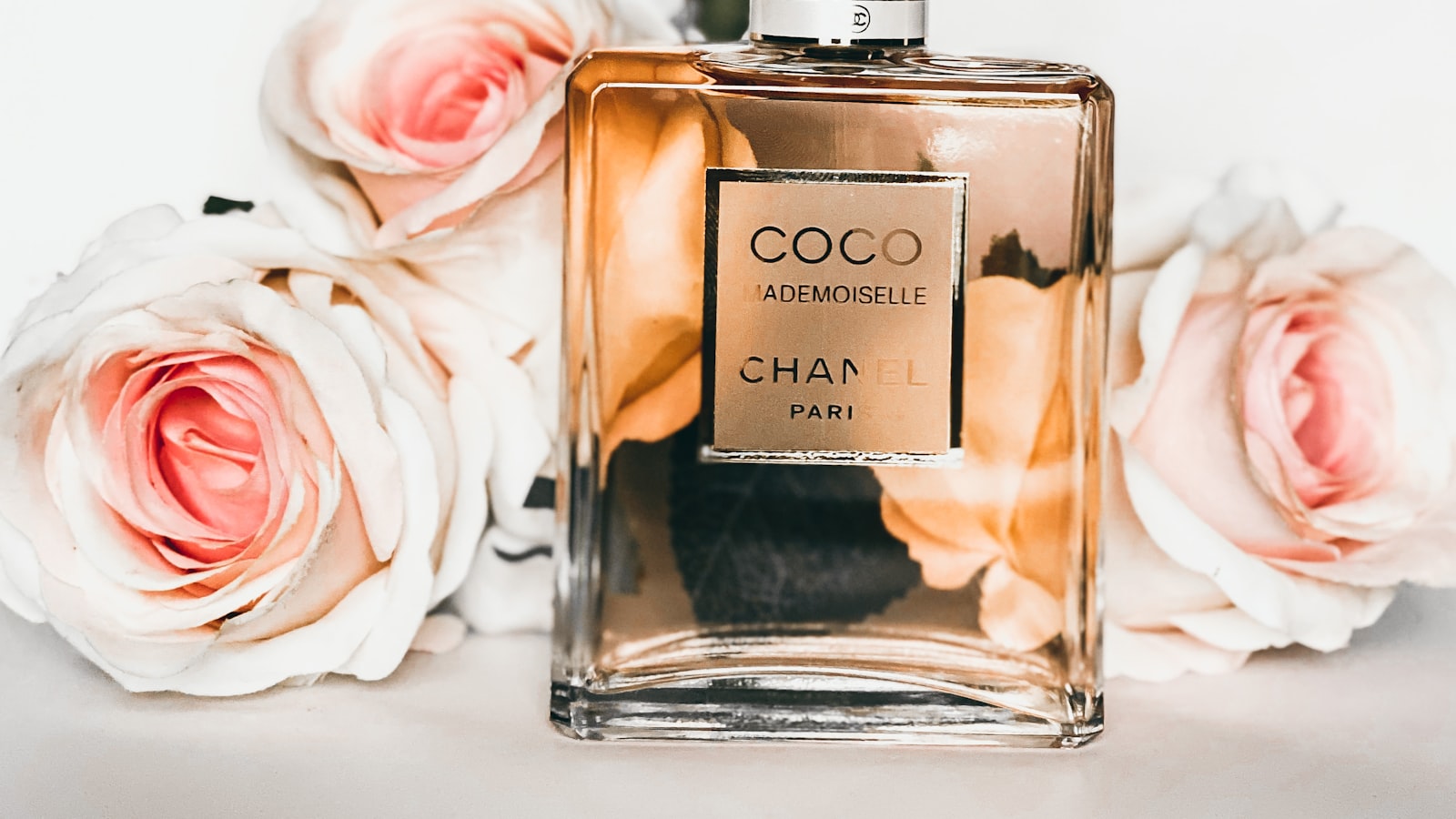
Proper evaluation begins with restraint. Test no more than two or three fragrances at a single sitting, because after the fourth your nose fatigues and everything smells like amber. Spray one on paper to capture the opening, and one on your skin to capture the real evolution, then walk away. Do not decide in the store. Return to the skin sample at the one hour, three hour and six hour marks and write a word at each. This longitudinal method reveals the heart and base that a counter strip conceals, and it is the only honest way to shop.
Olfactory fatigue is real and rapid, which is why the coffee bean jar on the counter is a myth: it does not reset your nose, it merely swaps one strong smell for another. The only reliable reset is time and fresh air. Step outside, wait ten minutes, and your nose recalibrates far better than any bean ever could, which is why professionals rest between evaluations rather than sniffing a prop.
Strip versus skin, and why skin wins
Paper strips are useful for sorting a large field quickly, but they lie about wear because they lack skin warmth, sebum and the slow chemistry that drives a base. A scent on paper shows you the top and part of the heart in isolation; the same scent on your forearm shows you the living version, including how your pH and oils bend it. The disciplined buyer uses strips to shortlist and skin to decide. Anything you intend to buy deserves a full day on your own body before money changes hands, because the strip is a photograph and the skin is the film.
The discipline of longitudinal testing also trains your memory, which is the real instrument of taste. After a month of noting scents at one, three and six hours, you begin to recognise the signatures of materials and predict the drydown before it arrives. Smelling properly is therefore not only a buying tactic but an education, and the cost is only a little patience and a notebook.
One more discipline worth naming is the reset walk, the habit of leaving the building between tests so your nose recovers rather than compounding fatigue. Evaluators who skip it believe they are saving time and are in fact destroying their data, because a tired nose reports amber for everything. The walk costs ten minutes and restores an instrument you cannot replace, and it is the difference between a wardrobe chosen by sensation and one chosen by exhaustion. Smell with your nose, not with your fatigue, and the pyramid reveals itself honestly.
Practical checklist
- Test at most three scents per session
- Never judge on the opening alone
- Revisit skin samples at one, three and six hours
- Ignore the coffee bean reset myth
- Use strips to shortlist, skin to decide
A fragrance is a small piece of theatre staged across the day, and the pyramid is the script. The top is the overture, the heart is the performance, the base is the echo that follows you out of the theatre, and none of the three can be judged in isolation. The wearer who learns to smell in stages, who limits tests to avoid fatigue and who refuses to be seduced by the opening, gains a kind of fluency that no marketing copy can substitute. Smell slowly, smell on skin, and let time do the describing, because the perfume is not finished until the last of its base has left your wrist.
Frequently asked
Why does a perfume smell different after an hour?
Does the coffee bean trick reset your nose?
Keep reading
More Fragrance
How to Buy: Samples, Decants and the Full Bottle
A buyer's method for testing cheaply, avoiding fakes, and knowing the moment a full bottle is genuinely worth the money.
The Olfactive Families: How the Perfume Map Is Drawn
A field guide to citrus, floral, woody, oriental, fougère and chypre, and the systems perfumers use to place a scent on the wheel.

Fragrance for Occasions: Office, Evening, Ceremony and the Etiquette of Sillage
How to match scent to setting and navigate the unspoken rules of projection so your perfume pleases rather than imposes.