Makeup Tool Hygiene: Cleaning, Disinfection, and Replacement
A systematic guide to cleaning frequency, disinfection, and replacement signals for sponges, brushes, lash curlers, and the rest of your kit.
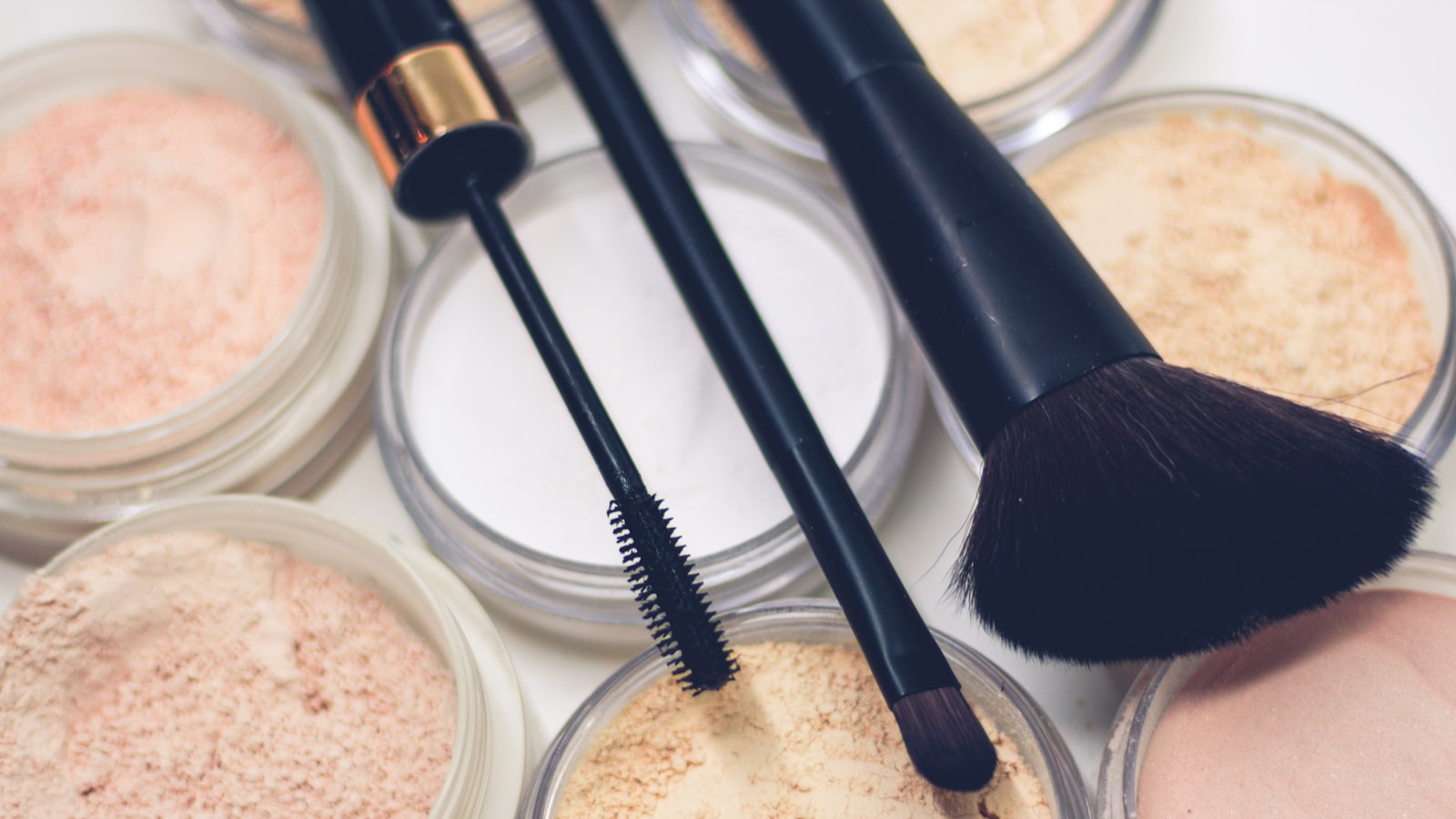
A more hidden hygiene gap than expired cosmetics is the long-unwashed tool. Sponges, brushes, and lash curlers harbor sebum, bacteria, and dead skin, pressed to the face daily, and closed comedones, folliculitis, and conjunctivitis can all trace back to them. Tool hygiene is the last line of defense for skincare, yet the easiest to ignore. Plenty of people spend on expensive skincare and keep dirty tools, canceling it out.
This piece systematizes the cleaning frequency, disinfection method, drying, and replacement cycle for sponges, brushes, lash curlers, tweezers, and bags, into an executable safety calendar that turns tools from a hazard into a help. Money spent on replacing tools is always less than money spent repairing the face, the underlying arithmetic of tool hygiene. The math is simple and stubborn: a few minutes of weekly care costs less than a single dermatology visit, and the tools you touch your face with deserve the same respect as the products you put on it.
Cleaning and Replacing the Beauty Blender
A beauty blender must be washed after every use, at least a deep clean every two to three days. With a dedicated cleanser or diluted shampoo, wet with warm water, press the cleanser in the palm to release the stain, repeat until the water runs clear, no wringing or it cracks. Squeeze dry, rest on a ventilated egg rack to air dry, never sealed in a makeup bag where humidity breeds bacteria.
A blender lasts about one to three months; cracks, crumbs, lost elasticity, or an uncleanable stain means replace. Never use a cracked blender on the face, the gaps are a bacteria nest. Keep two rotating so a dry one is always ready. They run about 10 to 45 RMB, roughly 1 to 6 dollars, and frequent replacement is cheap. A cracked blender is a bacteria nest, the iron rule. A blender that looks fine but smells faintly off is already past its safe window, and the nose is often the first test more reliable than the eye.
- Blender washed after every use, deep clean every 2 to 3 days
- No wringing, squeeze and air-dry on a rack
- Life one to three months, replace on cracks
A cracked beauty blender is a bacteria nest.
Graded Cleaning Frequency for Brushes
Brushes that touch liquid or the eye, foundation, concealer, lip, wash after every use to avoid residue transferring color and growing bacteria; powder brushes, eyeshadow, powder, blush, weekly one to two times, or every three days under heavy use. Build a cleaning calendar: wet brushes daily, powder brushes weekly, with a phone reminder so nothing slips, and the reminder is what makes consistency stick.
Clean with brush cleanser or mild shampoo, working circles along the hair from root to tip, rinse, squeeze, air-dry. Disinfection with diluted medical alcohol, 75 percent, a quick spray on the head then air-dry, but animal hair shouldn't take alcohol often or it frizzes, once a month is enough, synthetic tolerates more. An unwashed wet brush means painting bacteria daily, remember that line. Pair the wash with a quick visual of the bristle tips, because a brush that looks clean can still harbor a film invisible until it touches the skin.
- Wet brushes every use, powder brushes weekly
- Work along the hair, root to tip
- Animal hair alcohol only about once a month
An unwashed wet brush means painting bacteria daily.
Disinfecting Lash Curlers and Tweezers
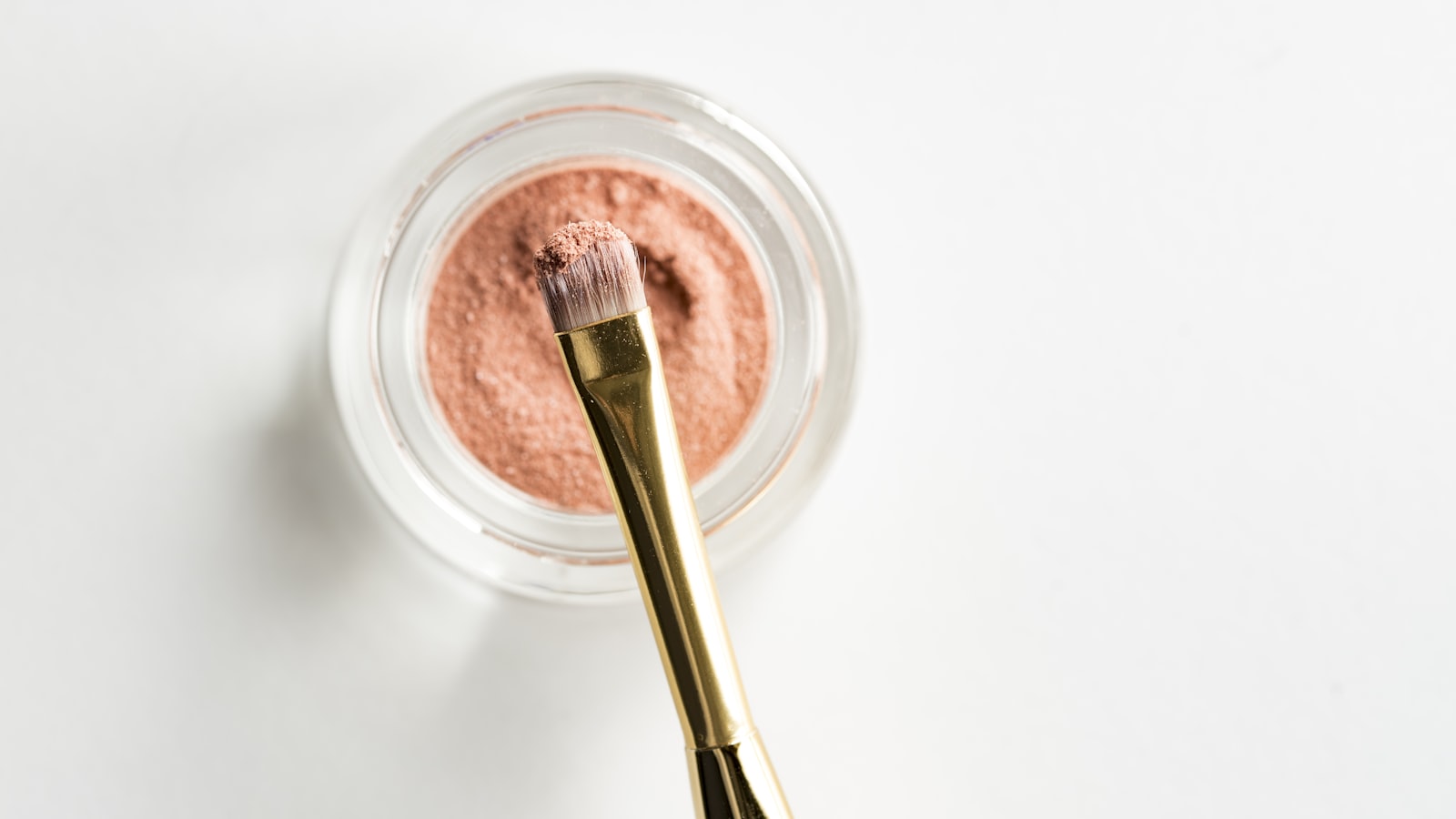
A lash curler pad touches the eye daily, so wipe the clamp with an alcohol pad after each use, remove and wash the pad weekly, and replace on any crack, about every one to two months, or the clamp grips unevenly and hides dirt, and a dirty clamp is a conjunctivitis risk. Wipe the tweezer clamp with alcohol before and after use, to keep bacteria from entering the pore. The eye area forgives almost nothing, so the few seconds of an alcohol wipe are the cheapest insurance against a red, swollen morning.
Metal tools can occasionally be boiled ten seconds to disinfect, but not the pad. Never share public beauty tools, and don't loan personal ones, because eye-tool cross-infection has serious consequences. A small pack of alcohol pads in the bag is a convenient ally for tool hygiene. For eye tools, one slack is one risk, the hygiene red line.
- Lash pad wiped weekly, replaced on cracks
- Tweezer wiped with alcohol before and after use
- Eye tools never shared
For eye tools, one slack is one risk.
Cleaning Sponges and the Makeup Bag
Puffs and press sponges, not the blender type, wash weekly, oily skin every three days, and discard on hardening or discoloration. Wipe the makeup bag lining with an alcohol wipe monthly, and fabric bags are washable and air-dry, to avoid a mold bed, because many ignore that the bag is dirtier than the tools. Rinse decant bottles and palettes after each use, and a cotton swab with alcohol clears palette gaps.
Wash the brush holder monthly to stop bottom powder flowing back to the ferrule. These corners are the easiest to forget yet the source of cross-contamination. A bag unwashed makes washing the tools in vain, the summary of the hygiene chain. The bag is the silent offender, and a monthly wipe takes less time than the breakout it prevents.
- Puffs washed weekly, discard on hardening
- Bag lining wiped monthly
- Holder washed monthly against buildup
An unwashed bag makes washing the tools in vain.
Drying and Storage Hygiene
Every tool must be fully air-dried before storing, because damp is a bacteria bed. Brushes stand head-up in a holder, the blender rests on a ventilated rack, never horizontal or bagged. Storage is dry and dark, and the bathroom's humid heat must never hold tools, the bathroom is the tool bacteria incubator. The bathroom is where tools go to spoil, and moving the holder even a few feet to a dry shelf addresses more problems than any cleanser can.
For travel, a divided brush roll with cap protectors prevents both compression and contamination. Long-unused brushes get a full wash and air-dry before storage, then a dust cover. In rainy season, a desiccant in the storage box lowers mold odds. Fully dry before storing, too many lessons of wasted washing, damp storage equals washing in vain.
- Fully air-dry before storing, never damp
- Brushes head-up, away from the bathroom
- Travel divided roll prevents contamination
Damp storage, and the wash was in vain.
An Overview of Replacement Signals
Blender cracks, crumbs, or lost elasticity means replace, one to three months; puff hardens or discolors, discard; lash pad cracks, one to two months; brush severe shedding, irreversible frizz, or bristle smell means replace, animal hair two to three years, synthetic one to two; tweezer loose grip or clamp rust means replace. Don't settle when a signal appears. Treat the archive like a service record, because a tool past its date fails quietly and the face pays the price, not the brush.
Keep a tool archive recording purchase and replacement dates, same as cosmetic open dates. Replacement costs far less than broken-face repair, so treat replacement as routine maintenance, not waste. A safety calendar guards the face. The money saved on tools is the money saved on face repair, the economics of hygiene.
- Replace on cracked blender or smelling brush
- Lash pad on cracks, about two months
- Record replacement dates in a tool archive
The money saved on tools is the money saved on face repair.
Travel and Public Tools
Bringing your own tools is safest when traveling; if you must use hotel or public tools, wipe them all with an alcohol pad before they touch the face. For public tester services, counter samples, use only a disposable swab, never the shared tester brush directly on eye or lip, because counter testers are also a cross-infection source. A small alcohol pad in the toiletry bag is the difference between a safe trip and a surprise infection far from your own bathroom.
At a rental, boil metal tools as emergency disinfection, while sponges are impractical and best disposable. The first thing at home is wash the travel tools before storing. Hygiene alertness in public scenes extends tool management, don't relax when away.
- Bring your own tools when traveling
- Public testers, disposable swab only
- Wash travel tools first thing at home
In public scenes, hygiene alertness can't loosen.
Practical checklist
- Blender washed after every use, replace on cracks or crumbs at one to three months
- Wet brushes daily, powder brushes weekly, set a reminder
- Lash pad wiped weekly, replaced on cracks at one to two months
- Bag lining wiped monthly, holder washed monthly against buildup
- Fully air-dry before storing, never the bathroom
- Bring your own travel tools, public testers disposable swab only
Tool hygiene is the invisible foundation of makeup safety. A blender washed after every use, brushes cleaned by grade, lash pads replaced often, bag linings wiped monthly, and everything fully air-dried before storing form an executable hygiene calendar. Log the replacement signals in a tool archive as seriously as cosmetic open dates, and the closed comedones, folliculitis, and conjunctivitis on your face drop by more than half. Replacing tools always costs less than repairing the face, and don't loosen alertness when traveling or in public. Tool hygiene is an extension of skincare, not an accessory of makeup. You'll spend on good skin, so don't let a dirty brush and a stale blender cancel the results. Tape the cleaning calendar by the mirror, and it acts before any pricey serum. The mirror note is not decoration, it is the cue that turns good intentions into a habit.
Frequently asked
How often should I wash a beauty blender to stay hygienic?
Can I disinfect brushes with alcohol?
No professional brush cleanser, is dish soap okay?
Can I wash a blender with soap, and does regular soap differ?
Keep reading
More Makeup
Eye Makeup Basics: The Three-Shade Structure and Blend Boundaries
Build dimensional eye looks on a base, transition, and depth structure, and master the blend boundary and eye-shape adjustments you can actually copy.
Eyebrow Design: Mapping the Arch to Your Face Shape and Brow Color
From placing the arch by face shape and matching brow color to hair, to tweezing frequency and the stroke order, a complete method for brows that are actually yours.
The Complete Logic of Base Makeup: Order and Technique from Primer to Setting
From sunscreen and primer through concealer and powder, we break down the dosage, tools, and sequence of every step into a base routine that won't cake or patch.