Socks, Hosiery, and the Trouser Break
The sock is the proportion detail nobody talks about. Knit gauge, denier, and the trouser break decide the lower leg before the jacket does.
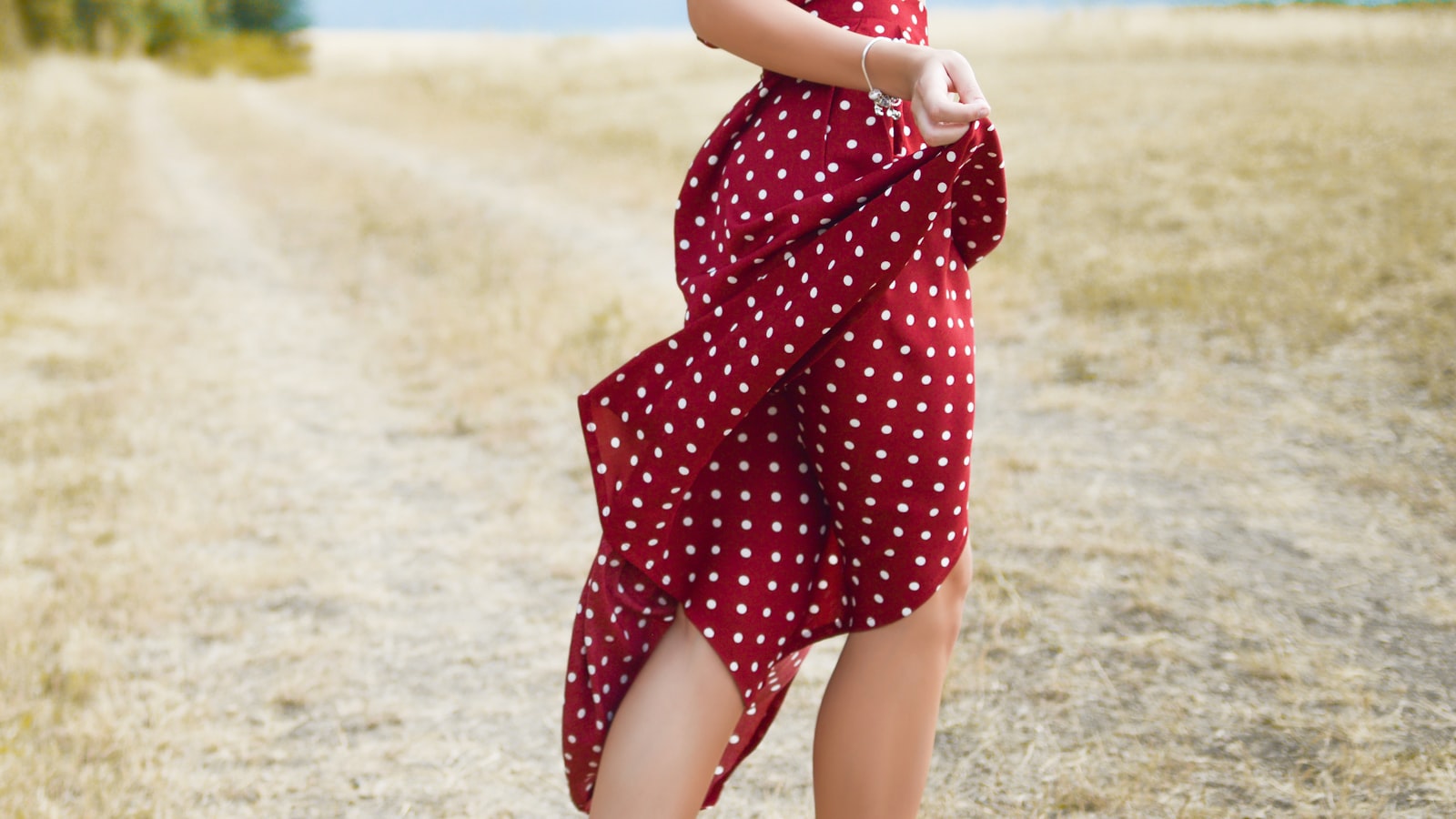
Socks and hosiery are the proportion detail nobody talks about, which is exactly why they betray an outfit. The flash of ankle between a trouser and a shoe, the sheen of a tight, the weight of a wool crew, these are small surfaces that the eye reads before it reads the jacket. Most men ignore them entirely and most women reduce them to colour, when the real variables are knit gauge, denier, and the break of the trouser above. The sock is a quiet instrument, and a quiet instrument played wrong is loud.
This piece covers sock knit gauge and what it means for cushion and climate, hosiery denier and the sheer-to-opaque scale, the heights that decide the ankle gap, and the trouser break that sets the whole proportion. We close with care, because a good sock is worth keeping. Treat the sock as a tailored seam you cannot see, and the outfit closes where it should, at the floor. Get the seam right and the whole outfit lands where it was always meant to.
Knit Gauge and the Fibre
Knit gauge is the density of the machine's needles, and it decides the sock's hand and weight. A fine-gauge sock, knit on many needles, is smooth and light and dresses well with a suit; a coarse-gauge sock is thick, cushioned, and built for boots and cold. The gauge is not printed on the sock, but the feel is: a fine sock lies flat under a dress shoe, a chunky one bunches and throws off the fit of a slender last. The fibre matters as much as the gauge. Combed cotton is the daily default, breathable and washable; merino wool regulates temperature and resists odour, so a merino crew can be worn for days without souring, which makes it the traveller's choice; a wool-nylon blend adds durability at the heel and toe where socks die. A good sock puts the reinforcement at the stress points and leaves the leg fine, and the band's blend is what keeps it up without cutting the calf or sliding into the shoe.
Denier and the Hosiery Scale
Denier, written den, is the weight of the yarn, and it sets how sheer or opaque hosiery is. A ten to twenty denier tight is sheer and dressy and snags on a fingernail; a forty to seventy is opaque and warm and forgiving; above that you are in legging territory. The number is the single most useful fact on the packet, because it tells you the look, the warmth, and the fragility before you open it and commit to the day. The weave within the denier decides the finish. A micro-mesh is stronger than a flat knit at the same weight, and a reinforced toe saves the first run. Matte finishes read modern and hide imperfections in the leg; glossy finishes read formal and show every mark. The mistake is buying sheer for a day that involves a seat belt and a handbag, because the snag is inevitable; match the denier to the hazard, and the hosiery lasts past the occasion instead of through the first hour.
Sock Height and the Gap
Sock height decides the gap, the strip of skin or sock that shows when you sit. A no-show sits below the shoe and shows only ankle; an ankle sock shows a band; a crew reaches the mid-calf; a knee-high clears the calf. The gap is governed by the trouser break, and the two together are the proportion most people get wrong without knowing they are choosing it every morning they dress. The rule is that the sock should meet the trouser so no skin shows when you sit, unless the no-show look is the intent. A trouser with a full break over a low sock flashes calf in a way that reads careless; a short trouser over a crew reads deliberate. The height is a choice about the gap, and the gap is a choice about proportion, so pick the sock for the trouser's break rather than for the sock alone, because the two are one decision worn as two separate pieces on the leg.
The Trouser Break and Proportion
The break is the fold of the trouser where it meets the shoe, and it sets the whole proportion of the leg. A full break pools slightly and reads classic and formal; a half break meets the shoe with a single crease and reads clean; a no-break trouser sits just above the shoe and reads modern and shows the sock or the ankle. The break is cut into the trouser, but the sock is what fills the space beneath it, and the two must agree. The proportion runs sock to trouser to shoe. A heavy ribbed sock under a sharp no-break trouser fights the line; a fine sock under a full break disappears, which is often the point. The flash of a contrasting sock is a deliberate accent only when the break shows it; hidden, it is wasted money spent on a colour no one sees. Read the break first, choose the sock to fill or to flash, and the lower leg reads as one composed thought rather than three unrelated objects vying for attention.
Colour and the Proportion
Sock colour is the easiest lever and the easiest error. The safe play is to match the sock to the trouser so the leg reads long and unbroken; the bold play is to match it to the shoe or to a colour in the outfit, which ties the look together; the risky play is a clashing sock under a short trouser, which becomes the loudest thing you wear. The trouser break decides whether the colour is seen, so the risk only exists when the break shows it to the room. For hosiery the logic is tonal. A tight close to the skin tone reads bare and lengthens the leg; a dark tight under a light dress anchors it; a coloured tight is a statement that should answer something elsewhere in the outfit. The proportion is always leg-to-foot, and the sock or tight is the seam between them. Choose it to extend the line or to punctuate it, but choose it on purpose, because the unchosen sock is almost always the wrong one by a wide margin.
Care and a Long Life
Socks wear at the heel and toe, and rotation is the cheapest care. A rotation of several pairs lets the elastic recover between wears and doubles the life of each, which matters more than the thread count on the band. Wash inside out to protect the face, avoid high heat that cooks the elastane, and a little wool wash keeps merino from felting. The sock is cheap enough to replace, but a drawer of worn-through heels is a small, needless tax on the wardrobe. Hosiery is fragile by nature, so the care is in the wearing: file the nails, roll rather than bunch when dressing, and carry a spare for a day that matters. A snag stopped early with a dab of clear polish can hold for an evening; a run ignored becomes a ladder by the stair. The detail is small, but the detail is the difference between an outfit that reads finished and one that reads almost, and the almost is where most wardrobes quietly fail without anyone naming the reason.
Practical checklist
- Match sock height to the trouser break so no skin flashes by accident
- Buy merino for travel; it resists odour and regulates temperature
- Rotate socks so the elastic recovers and they last twice as long
- Read denier before buying tights; 10 to 20 sheer, 40 to 70 opaque
- Match the sock to the trouser or the shoe, not at random
Socks and hosiery are the proportion detail nobody talks about, and that is precisely why they give an outfit away, because the eye reads the flash of ankle and the sheen of a tight before it reads the jacket. Let the knit gauge suit the shoe, the denier suit the hazard, the height suit the trouser break, and the colour extend or punctuate the leg on purpose, and the lower body reads as one composed thought. Rotate the pairs so the elastic recovers, wash them inside out, and carry a spare tight for a day that matters. The sock is a tailored seam you cannot see, and the unchosen one is almost always the wrong one. Play the break first, then the sock, and the outfit closes where it should, which is the whole quiet point of dressing well and being read as intentional.
Frequently asked
What does denier mean for tights?
How do I avoid the ankle gap?
Crew or ankle sock with trousers?
Merino or cotton socks?
Keep reading
More Bags & Shoes
Hats and Face Shape: Crown, Brim, and Proportion
A hat is a frame for the face. Read crown height and brim width in centimetres against your shape, and the fedora, beret, bucket, and cap fall into place.
Belts: Strap Width, Buckle Scale, and the Waistline
A belt sets the proportion of the whole outfit. Get the strap width, the buckle scale, and the waistline height right, and the small errors disappear.
Eyewear and Face Shape: Lens, Bridge, and Temple
Glasses are measured, not admired, into place. The three millimetre numbers on the temple decide fit before the shape decides flattery.