Silk Scarves: Momme, Weave, and Ten Ways to Wear One
The momme weight and the weave decide more than the print ever will. Learn to read both, and a square becomes the cheapest real luxury you own.
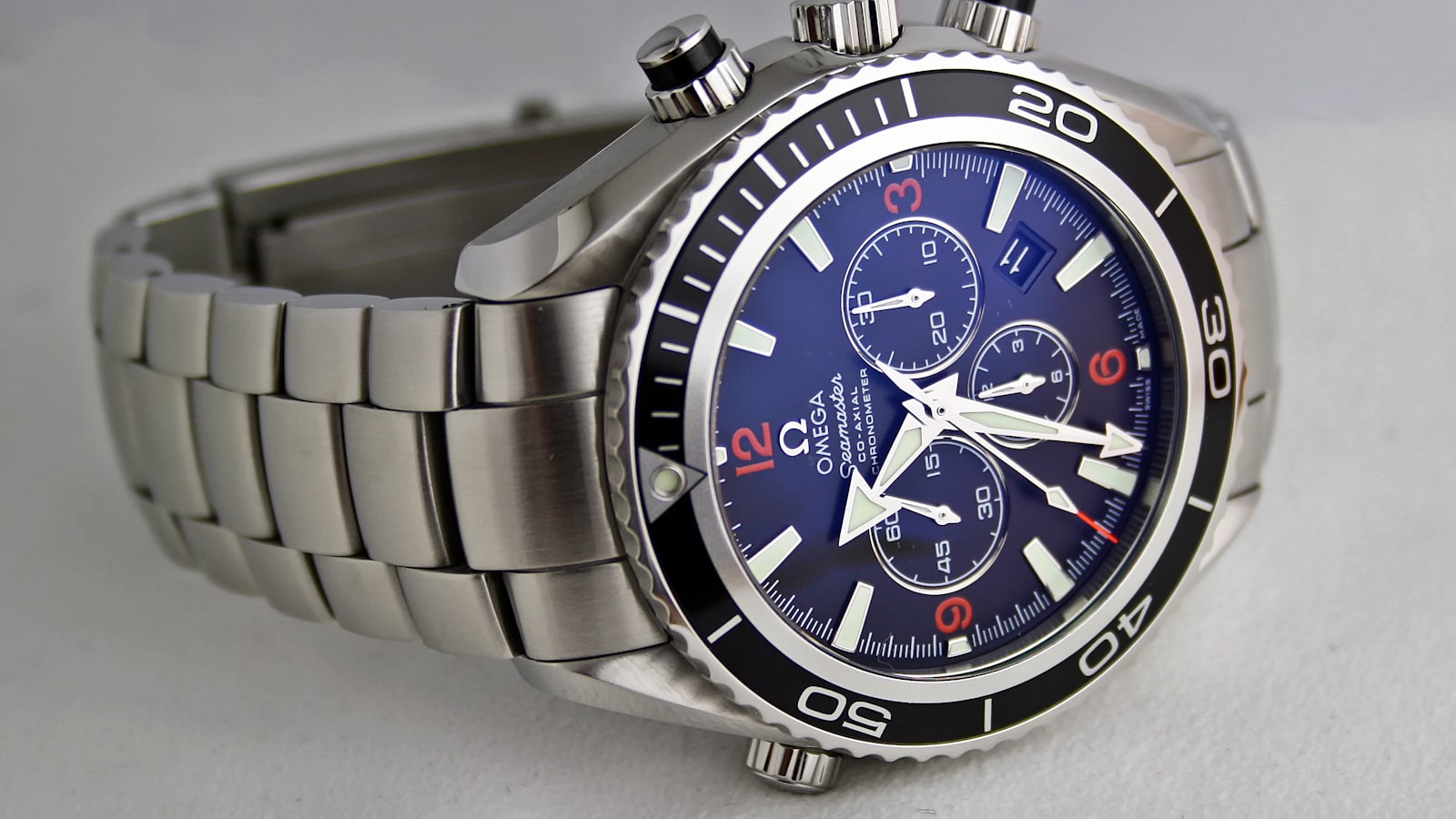
The silk scarf is the cheapest entry into real luxury most people will ever make, and the most misunderstood. For the price of a single mediocre belt you can buy a square of mulberry silk that will outlast a wardrobe, frame a face, and turn a grey coat into an argument. Yet buyers fixate on the print and ignore the two numbers that decide everything: the momme weight and the weave. The pattern is the personality; the construction is the character, and the character is what survives. Read the cloth before the colour and you will own a scarf that still looks right in ten years.
This piece covers what momme actually measures, why twill and satin are not interchangeable, how a hand-rolled hem separates the considered from the casual, and ten ways to wear a square that do not involve a prim knot at the neck. Treat the scarf as a small textile education, because that is exactly what it is, and the knowledge pays for the cloth many times over. The cloth is the lesson, and the lesson outlasts the season that sold it.
Momme: The Weight That Means Quality
Momme, written mm, is the weight of a bolt of silk, historically the number of pounds a piece forty-five inches by one hundred inches weighs. For a scarf it reads as density: a six to eight momme silk is light and a little sheer, the kind that drifts; a twelve to sixteen momme twill is the classic quality square, substantial and lustrous; sixteen to thirty momme is heavy habotai or charmeuse with real body. Higher momme means more silk per square metre, which means better drape, deeper colour, and resistance to the snag that ends a cheap scarf. The practical rule is to buy the heaviest momme your use allows. A twelve to fourteen momme square is the versatile sweet spot, heavy enough to hold a knot and survive handling, light enough to fold into a pocket or tie at the neck without bulk. Below ten momme the scarf is a handkerchief; above sixteen it becomes a shawl and a warmer-weather piece. The momme is printed on better scarves or stated by serious sellers, and its absence from a listing is itself a tell worth heeding before you spend.
Weave: Twill, Satin, and Chiffon
The weave sets the hand and the behaviour. Twill is woven on the diagonal, which gives a matte, grained surface that shows engraved prints with crisp line and wears like iron; it is the weave of the traditional carre and the most forgiving for daily wear. Satin, strictly satin-weave charmeuse, is glossy and slippery, with a liquid drape that makes colour glow but that shifts out of every knot, so it suits evening and statement rather than utility. Chiffon and organza are sheer and light, woven for air rather than structure, and they read romantic or bridal. Crepe has a pebbled, matte face that hides prints and resists wrinkles. None is superior; each fits a job. The mistake is buying a satin because it photographs beautifully and discovering it will not stay tied, or buying a chiffon for warmth it cannot give. Read the weave as a verb, not a value, and match it to what the scarf must do on your body through a day.
The Hand-Rolled Hem and Its Test
The hem is where quality announces itself. A machine-rolled or cut edge is flat and even and slightly dead; a hand-rolled hem, the roulotte a la main, is a tiny rolled tube of silk sewn with near-invisible stitches at roughly eight to twelve per centimetre, and it gives the edge a rounded, lively finish that machine work cannot mimic. The hand roll is slow and costs real money, which is why it marks the line between a scarf made as an object and one made as a souvenir. You can audit the hem in seconds. Turn the edge and look for irregular, slightly raised stitches that follow the curve; a perfect, mechanical line is a machine. A good hand roll is consistent but not identical, because a human sewed it, and the silk should roll toward the front so the stitch disappears. The width of the roll matters too: too fat and it looks clumsy, too thin and it curls. The considered scarf gets this detail right because it is the detail you see every time you wear it, and the one a cheap one cannot fake.
Colour, Print, and Dye
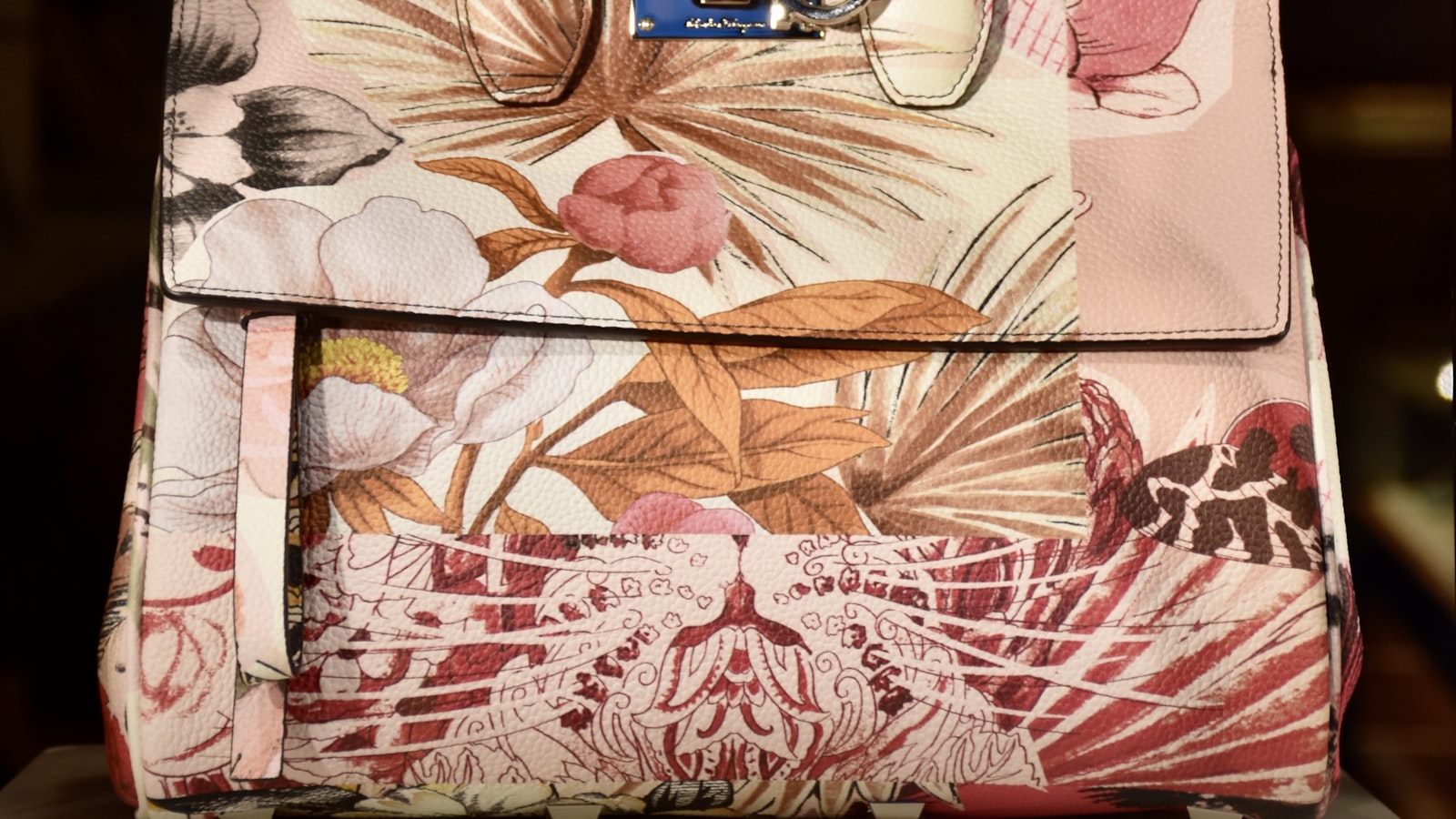
Silk takes dye like no other fibre, which is why a printed scarf has depth a synthetic cannot fake. The best are screen-printed, colour by colour, with each registration aligned by eye, so the design has a layered, almost embossed richness; digital printing is flatter and cheaper but perfectly good for simple patterns. The tell is in the back: a quality silk shows the print slightly through, proof the dye reached the fibre rather than sitting on the surface. Colour choice is its own discipline. A scarf is worn near the face, so it must flatter the skin rather than fight it; the same print in two colourways can cast you as rested or as jaundiced. Buy the colour that lights your complexion, not the one you admire on the model, because the model's lighting is a lie you will not be standing in. A small archive of three or four scarves in genuinely wearable colourways will be worn far more than a drawer of ten that merely pleased in the shop.
Ten Ways to Wear One
A square is the most versatile object in the wardrobe precisely because it is not a garment but a rectangle of possibility, and the bias fold is the trick that unlocks most of it. The familiar neck triangle is only the beginning; the same silk becomes a slim band tied at the throat, a headband knotted at the nape, or a scrap tied around a ponytail. Worn large and draped it is a sarong or a cover; wrapped and pinned it is a summer top. The silk earns its keep by being endlessly re-folded, and the women who own the most often wear them the least, saving them for an event that never arrives, which is the whole mistake. The printed silk in particular changes character with every fold, so the same carre can read as four different accessories across a single week.
- Classic triangle at the neck, points forward or back
- Slim bias band tied at the throat like a cravat
- Headband knotted at the nape, or tied on a ponytail
- Wrist wrap or anklet for a flash of colour
- Bag charm looped through a handle or clasp
- Belt threaded through the loops over a shirt or dress
- Large square as a sarong, scarf top, or cover
- Ascot fold under a blazer for tailored softness
- Hair ribbon woven into a braid or bun
- Pocket square in a jacket, the smallest luxury
Care and a Long Life
Silk is fragile and easy, a combination that surprises people. Keep a scarf out of direct perfume and deodorant, which spot and weaken the fibre, and store it rolled around a tube or loosely folded in acid-free tissue rather than creased in a drawer, because a hard fold becomes a permanent line. A silk square wants air and darkness, not a plastic bag, which traps moisture and smells. Refresh by steaming, never ironing dry, because direct heat scorches silk at a touch; hold a steamer at a distance and let the vapour relax the crease. Most stains come out with a gentle silk wash or a reputable dry cleaner, but test first and never wring. A scarf treated this way keeps its lustre for decades, and the momme you paid for is exactly what lets it survive the handling that would shred a lighter silk within a single season of wear.
Practical checklist
- Buy 90 cm as the versatile size; 70 cm for the neck, 140 cm as a shawl
- Check the momme; 12 to 14 is the everyday sweet spot
- Audit the hem for hand-rolled, slightly irregular stitches
- Store rolled, not folded hard, to avoid permanent creases
- Steam to refresh; never press a dry iron on silk
A silk scarf is the rare accessory that costs less than the outfit it transforms and lasts longer than the wardrobe it enters. The momme tells you how much silk you are holding, the weave tells you what it will do on your body, the hand-rolled hem tells you whether it was made as an object or a souvenir, and the print, chosen to flatter your skin, is what you will actually reach for. Wear it daily, not for an occasion that never arrives, and let it be a wrist, a bag, a throat, or a head rather than a drawer. Buy the heaviest momme your life allows, learn the hem, and steam instead of iron. The scarf that is used is the only one that was ever worth buying, and the one you wear until it frays has done its job better than the ten you saved for a day that did not come.
Frequently asked
What momme silk scarf should I buy?
How do I tell a hand-rolled hem?
Can I wash a silk scarf at home?
Why are silk scarves so expensive?
Silk or polyester satin, what is the real difference?
Keep reading
More Bags & Shoes
Hats and Face Shape: Crown, Brim, and Proportion
A hat is a frame for the face. Read crown height and brim width in centimetres against your shape, and the fedora, beret, bucket, and cap fall into place.
Belts: Strap Width, Buckle Scale, and the Waistline
A belt sets the proportion of the whole outfit. Get the strap width, the buckle scale, and the waistline height right, and the small errors disappear.
Eyewear and Face Shape: Lens, Bridge, and Temple
Glasses are measured, not admired, into place. The three millimetre numbers on the temple decide fit before the shape decides flattery.