Natural fibres, properly: cotton, linen, wool, silk
Four fibres built by biology, not a reactor. What each genuinely does well, where it fails, and how to stop blaming the cloth for the care it was never designed to survive.
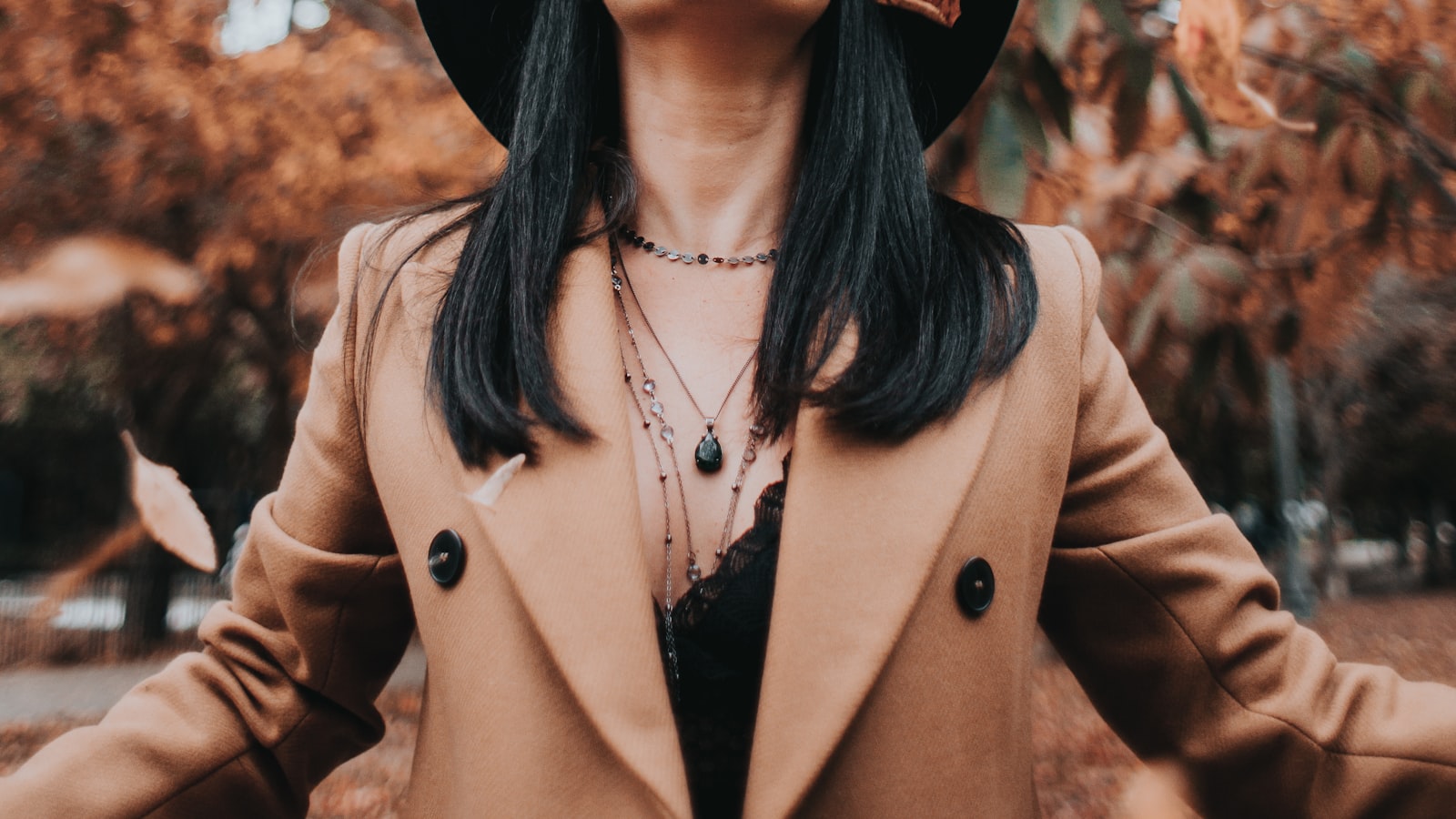
Natural fibres are not a moral category. Cotton, linen, wool and silk are each the dried, spun and woven output of a living organism, and that origin sets hard limits on what the cloth can forgive. A fibre is a bundle of cellulose, protein or a secreted filament; the chemistry of that bundle decides how it takes water, heat, abrasion and microorganisms. When a garment fails, the usual culprit is not a cheap fibre but a fibre asked to do work its molecular structure cannot do. Read the material before you blame the maker.
This is a practical taxonomy, not a romance. We will treat each fibre as an engineering material with measurable properties: staple length in millimetres, micron diameter for wool, the cellulose crystallinity of linen, the triangular cross-section of silk. Those numbers explain why your linen shirt wrinkles and your silk scarf floats. Knowing them lets you buy the right cloth for the right job and stop fighting the fibre you already own.
Cotton: the stalwart with a weakness for heat
Cotton is a seed hair of nearly pure cellulose, spun from staples that run roughly 10 to 50 mm depending on the cultivar. Long-staple Egyptian and Pima cottons sit at the top of that range and spin into finer, stronger, smoother yarns; short-staple upland cotton dominates commodity shirting and terry. As a hydrophilic fibre, cotton absorbs up to about 25 times its weight in water and dries slowly, which is why a drenched cotton tee becomes a cold, heavy rag while a synthetic wicks and sheds.
Cotton is strong when wet, which makes it forgiving in the wash but vulnerable to heat. At the iron, cellulose scorches around 200 degrees Celsius and loses tensile strength well before that. The saving graces are mercerisation, which swells and strengthens the fibre and deepens dye uptake, and sanforising, a compressive shrinkage process that pre-sets the cloth so a good shirt holds its size. Cotton pills modestly, fades predictably, and breathes beautifully in heat. It is the right answer for nearly everything that touches skin in warm weather and the wrong answer for anything that must shed water or hold a sharp crease without fuss.
- Best for: shirting, underlayers, towelling, warm-weather tailoring
- Weakness: slow drying, poor shape retention when wet, heat sensitivity
- Look for: long-staple labelling, combed or ring-spun yarns, mercerised finish
Cotton is the most honest fibre in the drawer: it tells you exactly how it was made.
Linen: flax cellulose that refuses to pretend
Linen comes from the bast, the inner bark, of the flax plant Linum usitatissimum. Its cells are long, straight and heavily lignified, with a crystalline cellulose structure that gives linen its signature crispness, high tensile strength and utter refusal to stretch. Linen fibres can exceed 300 mm in length, far longer than cotton staples, which is why linen yarn is smooth, cool and prone to the slubs that read as character rather than defect.
That same rigidity is why linen creases the moment you look at it: there is almost no elastic recovery, so a fold becomes a permanent set until water releases it. Linen is highly hygroscopic and conducts heat away from the skin faster than cotton, which is the entire point of wearing it in summer. It is also among the most durable natural fibres when cared for, softening with each wash without losing strength. Treat the wrinkles as the design. Press it damp, store it folded or rolled, and stop expecting it to behave like a worsted suit.
Wool: crimp, scale and a protein that hates heat
Wool is keratin, the same protein as hair, grown in staples whose diameter is measured in microns rather than length. Fine merino measures 17 to 23 microns; coarser carpet and tweed wools run 28 to 40 microns and feel prickly against skin because the fibre bends enough to stimulate nerve endings. The magic is crimp: each wool fibre zig-zags naturally, trapping air for insulation and giving wool its spring and recovery. Wool also absorbs up to a third of its weight in vapour before feeling wet, which is why it regulates temperature better than any plant fibre.
The catch is the cuticle, a shingle-like scale structure. Agitate wool in hot water and those scales interlock, the fibre contracts, and the cloth felts and shrinks. That is why wool demands cool water, gentle movement and a neutral or wool-specific detergent. Chlorine-Hercosett shrink-resist treatments coat or partially remove the scales so machine-washable merino is possible, but the treatment is not free of environmental cost. Wool resists odour and flame, sheds dirt, and wrinkles less than linen because of its crimp. It is the most capable all-rounder in the wardrobe and the most easily ruined by impatience.
- Fineness: 17-23 micron merino for next-to-skin, 28+ for outerwear
- Crimp gives insulation, spring and wrinkle recovery
- Enemy: heat plus agitation plus alkaline detergent equals felting
Silk: a filament protein that floats and frays
Silk is the only major natural filament fibre, reeled in continuous strands up to a kilometre long from the cocoon of the Bombyx mori silkworm. Under a microscope the strand is a near-perfect triangle, and that flat, refractive cross-section is what gives silk its legendary sheen and its ability to drape like liquid. As a protein fibre like wool, silk shares wool's vulnerability to alkali and high heat, but it lacks wool's crimp and scale, so it has almost no built-in elasticity and shows water spotting readily.
Silk is stronger than it looks, particularly when dry, but it loses up to a fifth of its strength wet and degrades under prolonged sunlight because ultraviolet light breaks the protein chain. Perspiration, with its salt and acidity, can rot silk at the collar and underarm if left. Most silk is best hand-washed cool with a gentle detergent or entrusted to a cleaner who understands protein fibres; never wring it, never tumble it hot, and never hang it in a south window. Worn and kept correctly, silk outlasts trend and looks like nothing else.
Choosing by job, not by feeling
The mistake is to rank these fibres as good or bad. A waxed cotton jacket will out-perform silk in a storm; silk will out-class cotton at a dinner. Match the fibre to the function: cotton and linen for breathable warm-weather skin contact, wool for temperature-managing layers and tailoring, silk for drape and occasion. Blends exist to borrow the strength of one fibre to cover the weakness of another, and there is no shame in a cotton-wool mix that irons easily and breathes.
Cost tracks scarcity and processing more than virtue. A 19-micron merino costs more than upland cotton because the clip is smaller and the spinning finer; a hand-reeled mulberry silk costs more than viscose because the labour is real. Pay for the fibre when the property it delivers is the property you need, and stop paying a premium for a natural label on a garment where a regenerated fibre would have done the job better.
What no natural fibre will do for you
None of the four resists water on its own. Cotton and linen soak, wool wets out and silk watermarks. None stretches and recovers like elastane, none holds a permanently sharp crease like a thermoplastic blend, and none is cheap to grow, harvest and spin at scale without compromise. Natural does not mean care-free, and it certainly does not mean superior in every role.
The honest framing is that natural fibres are the oldest and still the best for comfort, breathability and hand-feel, and the worst for water resistance, easy care and dimensional stability. Buy them for what they are, learn the small rituals each requires, and they will outlast three seasons of synthetic replacements. Expect them to need you, and they reward the attention.
Cost per wear beats fibre piety
The honest way to decide among cotton, linen, wool and silk is not which is 'natural' but which earns its price across wears. A forty-dollar long-staple cotton shirt worn ninety times a year for four years costs about eleven cents a wear; a three-hundred-dollar silk blouse worn six times costs fifty times more per outing and asks for hand-washing. That is not a case against silk, it is a case for matching the fibre's cost to how often it is on your back.
Work out cost per wear before you buy and the decision gets disciplined. Spend the premium on the wool you live in, the cotton you sweat in, the linen you wear all August; spend less on the statement piece that photographs once. A fibre is only 'worth it' relative to its frequency of use, and the piety that pays more for natural regardless of use is how good money becomes a closet of rarely worn cloth. Buy the property, wear the garment, and let the wears set the value rather than the label.
- Long-staple cotton: 30-60 USD, worn often, lowest cost per wear
- Fine merino: 120-200 USD, weekly use justifies the premium
- Silk: 200-400 USD, reserve for frequent wear or accept high per-wear cost
Practical checklist
- Sort laundry by fibre family, not just by colour, so cotton heat and wool coolness never meet.
- Buy long-staple cotton and fine merino by the numbers, not by the marketing word on the hangtag.
- Press linen while it is still damp; dry linen irons stubbornly and wastes electricity.
- Wash wool cool with a wool-specific detergent and lay it flat to dry to preserve the crimp.
- Keep silk out of direct sun and away from perspiration-stained storage to protect the protein.
Natural fibres are not a lifestyle; they are four distinct engineering materials with measurable limits. Cotton breathes and scorches, linen cools and creases, wool insulates and felts, silk drapes and frays. Learn the staple length, the micron count and the cuticle, and the care stops feeling like folklore. Buy the fibre for the job it was built to do, pay for the property you actually need, and the cloth will earn its keep for years. The wardrobe is not improved by "natural" labels. It is improved by knowing what each fibre can and cannot survive.
Frequently asked
Why does my expensive cotton shirt still shrink?
Keep reading
More Fabric & Care
Irons, steamers and pressing kit at three budgets
The pressing kit is the most-overlooked spend in a wardrobe. What to buy at three budgets, from a fifty-dollar starter to a workshop that outlasts the clothes.
Stain chemistry: treat the stain by its class
A stain is a chemical, and the wrong remover sets it forever. Sort stains into protein, tannin, oil, dye and combination, then attack each class with the chemistry that actually lifts it.

Cashmere and fine woollens: wash, store, protect
The most fragile and most loved fibres in the drawer. How to wash cashmere without felting it, de-pill it without thinning it, and store it where moths never find it.