Leather, Honestly: Grains, Grades, and the Ethics of Each
Full grain, top grain, corrected, bonded: the labels describe how little a hide was altered, and that alteration carries both a quality and an ethical cost.
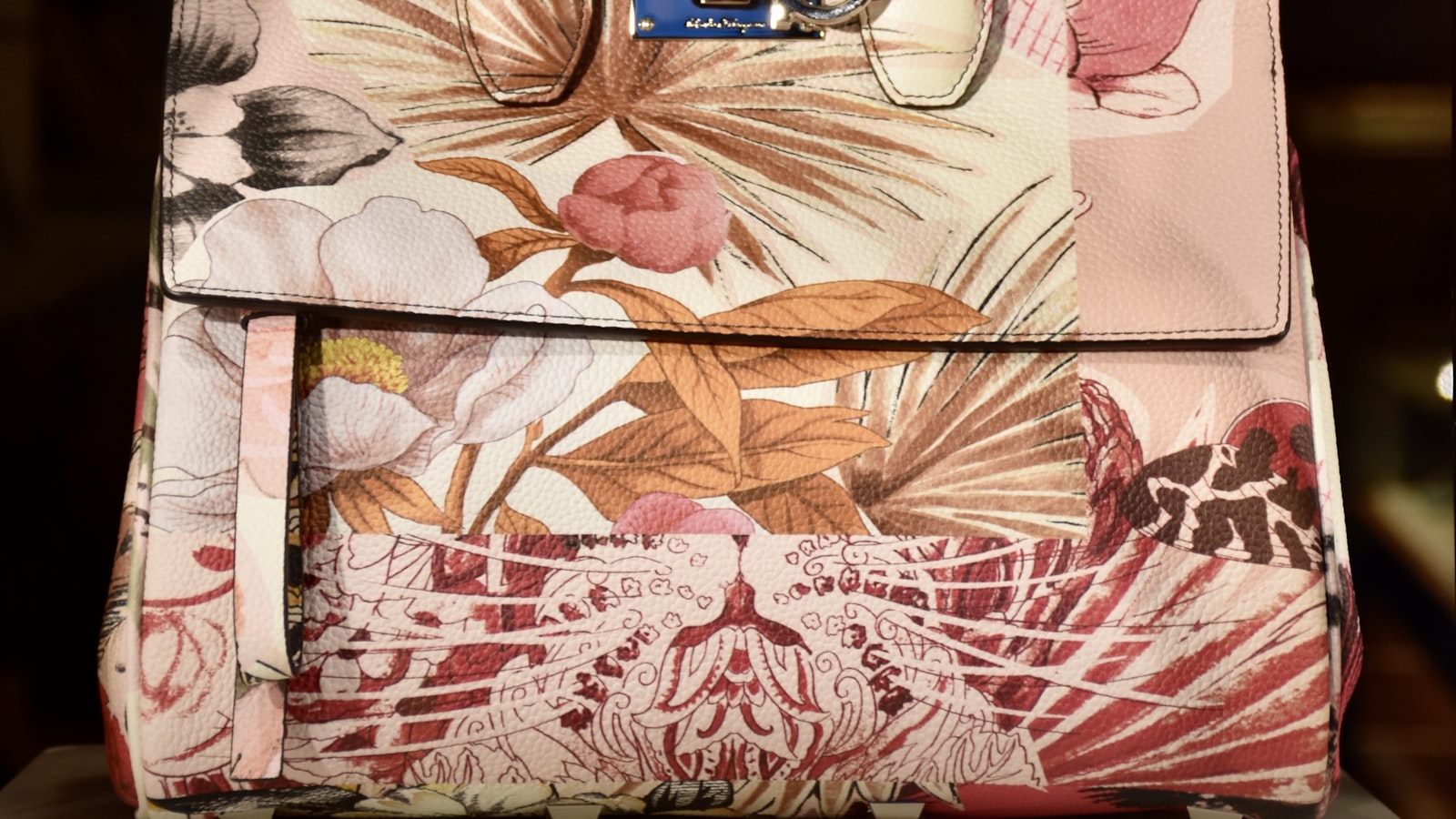
Leather grading is not a snobbery; it is a description of how much of the original hide survived the journey from animal to product. The terms full grain, top grain, corrected grain, and bonded are often used to impress or to obscure, but each names a specific amount of material removed and a specific set of consequences for durability, appearance, and waste. Understanding them is the first step toward buying leather you will not regret. Once you can name the grade, you can predict the decade, and the price begins to mean something real.
The ethical dimension is rarely stated on the label. A grade that looks cleaner often means more of the hide was ground away and more chemicals were used to fake what nature provided. The most honest leather is frequently the one with the most visible history, including the scars. This article sorts the four grades by what they are, what they cost, and what they ask of the world to produce.
Full Grain: The Hide at Its Strongest
Full grain is the top layer of the hide with the grain surface left entirely intact, including the dense fibre structure just beneath the skin. Nothing is sanded, nothing is corrected, and the natural pores, markings, and range marks remain. Because the tightest, strongest fibres sit at the very top, full grain is the most durable leather available, and it develops a patina rather than wearing out. A full-grain bag or shoe can outlast its owner with basic care. The trade is honesty. A full-grain hide shows insect bites, barbed-wire scratches, and vein lines, and tanneries must sort hides carefully to keep these natural. That sorting rejects more material and raises cost. Ethically, full grain is the most efficient use of an animal: it wastes the least and demands the fewest surface treatments. You are paying for truthfulness, and you are rewarded with a material that improves with age instead of merely enduring it. You can learn full grain by touch and scent: an uneven surface with real pores, and the smell of the tannage rather than perfume or plastic. Hold it to the light; the grain will not repeat in a regular pattern, because embossing cannot fake natural variation.
- Top layer left fully intact, nothing sanded or corrected
- Strongest, most durable fibre structure of any grade
- Most efficient and least chemically altered use of the hide
Top Grain: Sanded, Then Stamped
Top grain begins as the same top layer but is lightly sanded to remove imperfections, then often embossed with a uniform grain pattern. The sanding thins the hide slightly and cuts away the very densest fibres, so top grain is a touch less robust than full grain, though still a real, high-quality leather. It is the grade most luxury houses use for smooth, flawless goods, because it photographs without character and wears without surprise. The ethical ledger is mixed. Sanding rejects fewer hides, which can mean less entire-hide waste upstream, but it also means more surface treatment and a product that will not patina the way full grain does. You are buying consistency. For many buyers that is the right call, but it should be a conscious choice rather than a confusion with full grain, which it is routinely marketed as a synonym for when it is not.
Corrected Grain: Hiding the Flaws
Corrected grain takes a hide with extensive scarring or weak areas and sands the surface aggressively, then sprays on a heavy pigmented coating and embosses a fake grain to hide what was removed. The result is uniform and hardy against scuffs, which is why it dominates affordable furniture and budget bags. The cost is breathability, soul, and longevity: once the coating cracks, the leather beneath is too thin to save. Environmentally, correction is the most regrettable grade. It salvages damaged hides that might otherwise be discarded, which sounds virtuous, but it does so with aggressive abrasion and layers of plastic-like finish, locking in petrochemicals and making the material nearly impossible to recycle or compost. It is leather in name with the ecology of a synthetic. Honest use of corrected grain is fine for a child's school bag; dishonest use is labelling it premium.
Corrected grain is leather in name with the ecology of a synthetic, and once its coating cracks the thin hide beneath cannot be saved.
Bonded: Leather by Technicality
Bonded leather is not really a hide at all. It is made from fibre and dust left over from other processes, glued together with polyurethane or latex and rolled onto a backing, then embossed to resemble grain. By weight it may contain as little as ten to twenty percent actual leather. It peels, it cracks, and it has none of the structural integrity of a real hide. Its only virtues are low price and the ability to use tannery waste. The ethics here are the most uncomfortable. Bonded leather markets itself as leather while delivering a product that behaves like a cheap composite, and it exists largely to capture shoppers who cannot tell the difference. Some argue it recycles waste, but the binder is plastic and the lifespan is short, so the net effect is more landfill, not less. If longevity or honesty matters to you, bonded is the grade to refuse on principle. Spot bonded leather by the cut edge: a uniform, papery fibre with no natural grain, warm and rubbery rather than cool. Prices far below the expected cost are the clue; the missing mass is the hide, replaced by binder and backing.
Tanning: Vegetable Versus Chrome
Grading describes the hide; tanning describes the chemistry that preserves it, and the two together decide the object's character. Vegetable tanning uses tree bark and natural tannins in a process that runs twenty to forty days, producing firm, warm-toned leather that patinas richly and biodegrades. Chrome tanning uses chromium salts in a drum and finishes in roughly a day, yielding soft, water-resistant leather at scale and low cost, which is why it makes the vast majority of shoes and bags. The environmental divide is real. Chrome tanning generates toxic effluent if untreated, though modern plants recover and recycle the salts; vegetable tanning uses more water and time but leaves a gentler footprint and a leather that ages visibly. Neither is absolute good or evil, but the twenty-to-forty-day versus one-day contrast is the clearest signal of how much a maker valued the material over the schedule. A slow tannage is its own quiet luxury.
- Vegetable tanning runs 20 to 40 days using natural tannins
- Chrome tanning finishes in about a day in a chemical drum
- Slow tannage signals a maker who valued material over schedule
Reading a Label Without Being Fooled
The practical defence is to ask precise questions. Full grain and vegetable tanned is the gold standard for honesty and longevity. Top grain is legitimate if disclosed. Corrected and bonded should be named as such and priced accordingly. A label that says only 'genuine leather' is often hiding corrected or bonded content behind the vaguest legal term available, and that vagueness is the tell. Ethically, the best leather is the one you keep. A full-grain vegetable-tanned piece worn for twenty years outweighs a closet of corrected-grain fast fashion in every measure that counts: carbon, waste, and the dignity of the material. Buy the grade that matches the life you will give it, and insist the label tell you which grade that is. The honesty you demand is the honesty the industry will eventually supply.
Practical checklist
- Treat 'genuine leather' as a warning label, not a reassurance
- Prefer full grain when you intend to keep and wear an item for years
- Ask whether the tannage is vegetable or chrome before judging price
- Expect scars and range marks on honest full-grain hides; they are features
- Refuse bonded leather on principle if longevity or ecology matters to you
Leather is one of the few materials that rewards honesty with longevity, and the grading system, read correctly, is simply a map of how much truth a product contains. Full grain keeps the hide whole and ages into something better than new; top grain trades a little character for flawless uniformity; corrected grain buries its flaws under plastic; bonded barely contains leather at all. Lay tanning on top, and the twenty-to-forty-day vegetable process versus the one-day chrome drum tells you whether a maker respected the material or rushed it. None of this requires expertise so much as attention. Ask the grade, ask the tannage, and let the answer decide the purchase. The most ethical leather is usually the most durable, and the most durable is the one you never have to replace.
Frequently asked
Is top grain worse than full grain?
Why is vegetable-tanned leather more expensive?
Can bonded leather ever be a reasonable buy?
Does the tannage affect how I care for the leather?
Is corrected grain ever the right buy?
Keep reading
More Bags & Shoes
Hats and Face Shape: Crown, Brim, and Proportion
A hat is a frame for the face. Read crown height and brim width in centimetres against your shape, and the fedora, beret, bucket, and cap fall into place.
Belts: Strap Width, Buckle Scale, and the Waistline
A belt sets the proportion of the whole outfit. Get the strap width, the buckle scale, and the waistline height right, and the small errors disappear.
Eyewear and Face Shape: Lens, Bridge, and Temple
Glasses are measured, not admired, into place. The three millimetre numbers on the temple decide fit before the shape decides flattery.