Jewellery Storage, Cleaning and Insurance: Divided Anti-Oxidation, Home Valuation and Policy Points
From divided anti-oxidation storage and per-material cleaning to policy valuation updates, a closed-loop plan for jewellery as an asset.
Buy jewellery shrewdly, store it carelessly: all rings in one velvet pouch, silver chain jammed with pearl, insurance paper at the drawer bottom never updated. Result: silver blacks, gold scratches, pearl cracks, lost with no claim proof. This article goes from divided anti-oxidation storage and per-material cleaning frequency to policy and valuation update, a workable jewellery asset plan, so jewellery shines now and stays as asset.
Jewellery is both ornament and asset. Make storage, cleaning, insurance a fixed flow, protecting look and value. Below three blocks. Core: half a jewel's value is buying right, half is storing right. Stored well, tens of thousands stays tens of thousands in ten years; stored poorly, junk in three.
Divided Storage Against Scrape
Different-hardness stones scraping in one bag is the biggest loss. First rule: each piece alone, soft-pad separated. Use a divided box, velvet tray, or individual soft bags; diamond and ruby sapphire, 9 to 10, never with pearl, gold, silver, or the latter take permanent marks that will not polish out.
Rings on a pillow, earrings paired in small cells, necklaces laid flat or hung against tangle. Hard precious alone, silver sealed against sulphur. Box in cool dry, from direct sun, some stones fade, amethyst, topaz, and damp, silver blacks, pearl moulds. Individual storage is zero-cost high-return, avoiding over 80 percent of scratches.
- Each piece in its own soft cell
- Diamond and ruby sapphire not with pearl, gold, silver
- Necklaces laid flat or hung against tangle
- Box in cool dry, from light
Anti-Oxidation and Humidity
Silver oxidises by cutting sulphur and moisture: off, into a self-bag with air pressed out, a tarnish strip or colour-change silica. Pearl and coral fear dry and damp extremes; a soft bag at room temp slight-moist, not sealed to suffocate nor sun to dry, they are living gems that can thirst to death.
Gold is stable but plating fears damp; rhodium pieces alone. Overall humidity control by a dry box, 40 to 50 percent, or a silica pack, especially plum rain. Camphor, naphthalene, hurts some gems and metal, banned; use cedar wood against insects. Humidity is silver's and organic gems' hidden enemy; control it, control loss.
Cleaning Frequency and Method
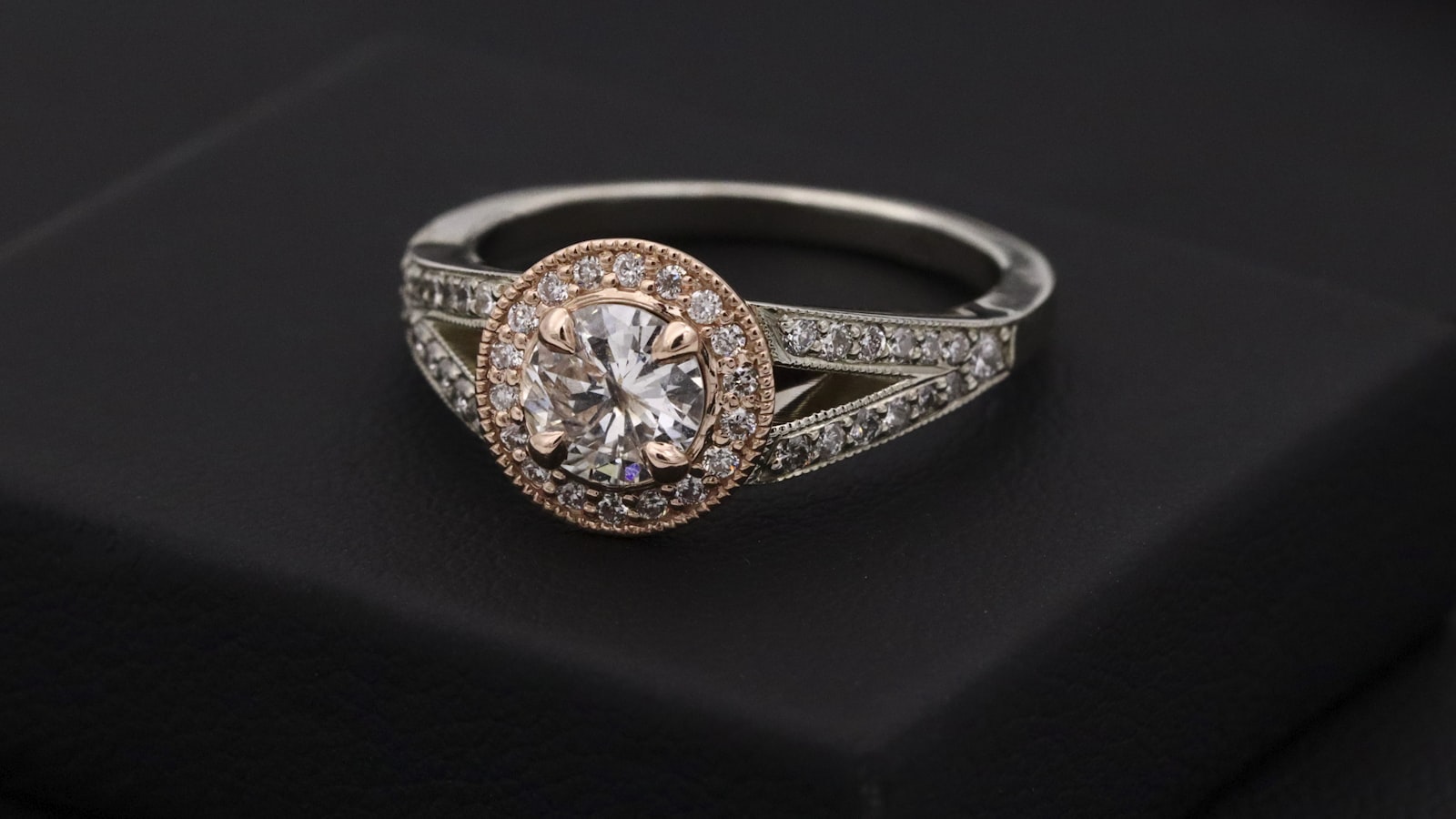
Frequency by material: gold and K-gold plain monthly soft cloth, pro clean every six months; diamond ring every 1 to 2 months warm water plus neutral detergent soft brush on prong-gap grime, the gap grime hurts fire most; pearl wipe after every wear, never soak; silver wipe on blackening, deep clean quarterly; jade soft cloth, avoid chemicals.
Tools: soft brush, neutral detergent, silver cloth, chamois. Ban: toothpaste grit, scratches mirror; frequent silver dip, hurts vintage and set; ultrasonic on set and organic, shakes stones, hurts pearl. Cleaning is right method not force; wrong method hurts more than none.
Regular Check and Upkeep
Set pieces every 6 to 12 months at the shop for prong looseness and wear, free or 20 to 50 RMB, against stone loss. Spring and lobster clasps are the break points, check regularly. Plain gold deformed can be remelted; K-gold buyback by content. Check is the cheapest insurance; one centre loss runs thousands to tens of thousands.
Pearl string, silk, renew every 1 to 2 years against break. Build one card per piece: buy date, channel, certificate number, gold and stone weight, care date, photo on phone, easy for claim and resale. The card is the asset ledger; without it your collection is just objects of unclear origin.
Insurance and Valuation
A single piece over 5,000 RMB or a set over 20,000 RMB warrants cover. Home property insurance mostly excludes jewellery; add a valuables rider or separate policy at about 0.5 to 2 percent annual rate on value. Before cover, valuation proof: purchase invoice, GIA or NGTC certificate, appraisal photo, all three needed.
Value by replacement cost, today's new same-tier price, not purchase price; gold up means your cover up. Revalue every 2 to 3 years for gold and gem price swings to avoid underpay. Theft needs police record plus invoice to claim. Insurance buys the what-if floor; do not wait for loss to find none.
- Single over 5,000 or set over 20,000 RMB warrants cover
- Value by replacement cost
- Revalue every 2 to 3 years
- Invoice plus certificate plus photo as proof
Secondary Liquidity and Valuation
Cash-out channels: pawn, secondary dealer, auction, private. Discounts differ wide: solid gold by live price minus fee most transparent; diamond secondary often only 30 to 50 percent of retail, by certificate and colour; coloured by scarcity and certificate; brand by logo a grade or two more. To hold value, think of sale at buy.
Raise liquidity by keeping original box and certificate, not scratching the number, few restyles. A stone with GIA or NGTC sells far better than none. Bring whether it resells into the buy decision to avoid many consumer traps. Liquidity is jewellery's hidden asset attribute.
Price and Tools
Basic storage: divided velvet box 30 to 200 RMB, dry box 100 to 500, self-bags and silica a few RMB. Cleaning: silver cloth 10 to 30, neutral detergent at home, pro clean plain 30 to 100 RMB a time, set 50 to 200. Insurance annual 0.5 to 2 percent of value, say 5,000 RMB jewellery 250 to 1,000 a year.
A few hundred in storage and cleaning avoids thousands to tens of thousands in loss and theft, the best-value jewellery management. Managed well, jewellery is asset; managed poorly, only consumable. Equip this toolkit and you have laid the first insurance on the jewellery.
A dry box is not necessary but worth it: southern plum rain, coastal cities, a hundred-RMB box locks humidity near 45 percent, silver hardly blacks, pearl no mould. Dry north uses silica bags. By total collection value: over 10,000 RMB, the dry box is low-cost insurance.
How to build the digital archive: photo front, stamp, certificate, three shots each, to cloud tagged with buy date and price. Export a sheet of type, weight, certificate number, valuation, update yearly. This archive is memory and claim and inheritance basis, better than a drawer of paper.
Inheritance view: what truly passes generations is stamped, storied, stable-material pieces. Fashion plate and cheap silver do not pass; place them as consumable. What you leave the next generation is not only the object but the archive that explains its origin.
Half a jewel's value is buying right, half is storing right.
Practical checklist
- Each piece alone in soft cell; diamond and ruby sapphire never on pearl, gold, silver
- Silver self-bag with tarnish strip; pearl at room temp slight-moist, not sealed
- Diamond ring every 1 to 2 months warm-water soft brush on prong gap; pearl wipe on wear
- Set pieces check prongs every six months; pearl string renew every 1 to 2 years
- A set over 20,000 RMB warrants insurance; revalue by replacement every 2 to 3 years
Jewellery management is a closed loop of storage, cleaning, insurance; buying right is only the start, storing right keeps the value. On storage, each piece alone, hard not on soft, silver sealed against sulphur, pearl at room temp slight-moist; on cleaning, by material frequency, diamond monthly on prong gap, pearl wipe on wear, silver on blackening, ban toothpaste and ultrasonic on gems; on upkeep, set pieces check prongs every six months, pearl string every two years, build the digital card. On asset, a set over 20,000 insures, value by replacement and update every two to three years, keep invoice certificate photo; on liquidity, keep original box and certificate, carry authority report, raise resale discount. Last line: the money you paid for jewellery deserves a divided box and a policy; a few hundred in guards the possible tens of thousands of loss and risk. Fix this flow and jewellery lights today and stays as tomorrow's asset. Who stores well truly owns.
Frequently asked
Can all jewellery go in one box?
Does jewellery need insurance?
How to store pearl so it does not crack?
Keep reading
More Jewellery
Allocation and Order for an Engagement Ring: Loose Stone, Setting, Brand Premium and Custom Lead Time
A workable plan with a 5-3-2 budget split, loose-stone priority and custom lead-time pitfalls.
Earrings and Face Shape: Studs, Threads, Hoops and Tassels, Plus Weight and Back Material
By face shape we split the four earring types, stud, thread, hoop, tassel, and cover weight limits and hypoallergenic back points.
Necklace Length and Neckline: How 40, 45, 60 and 80 cm Meet Round, V and Turtleneck
Using five lengths, 40, 45, 50, 60, 80 cm, against round, V, turtleneck and more, a formula you can follow directly.