Hats and Face Shape: Crown, Brim, and Proportion
A hat is a frame for the face. Read crown height and brim width in centimetres against your shape, and the fedora, beret, bucket, and cap fall into place.
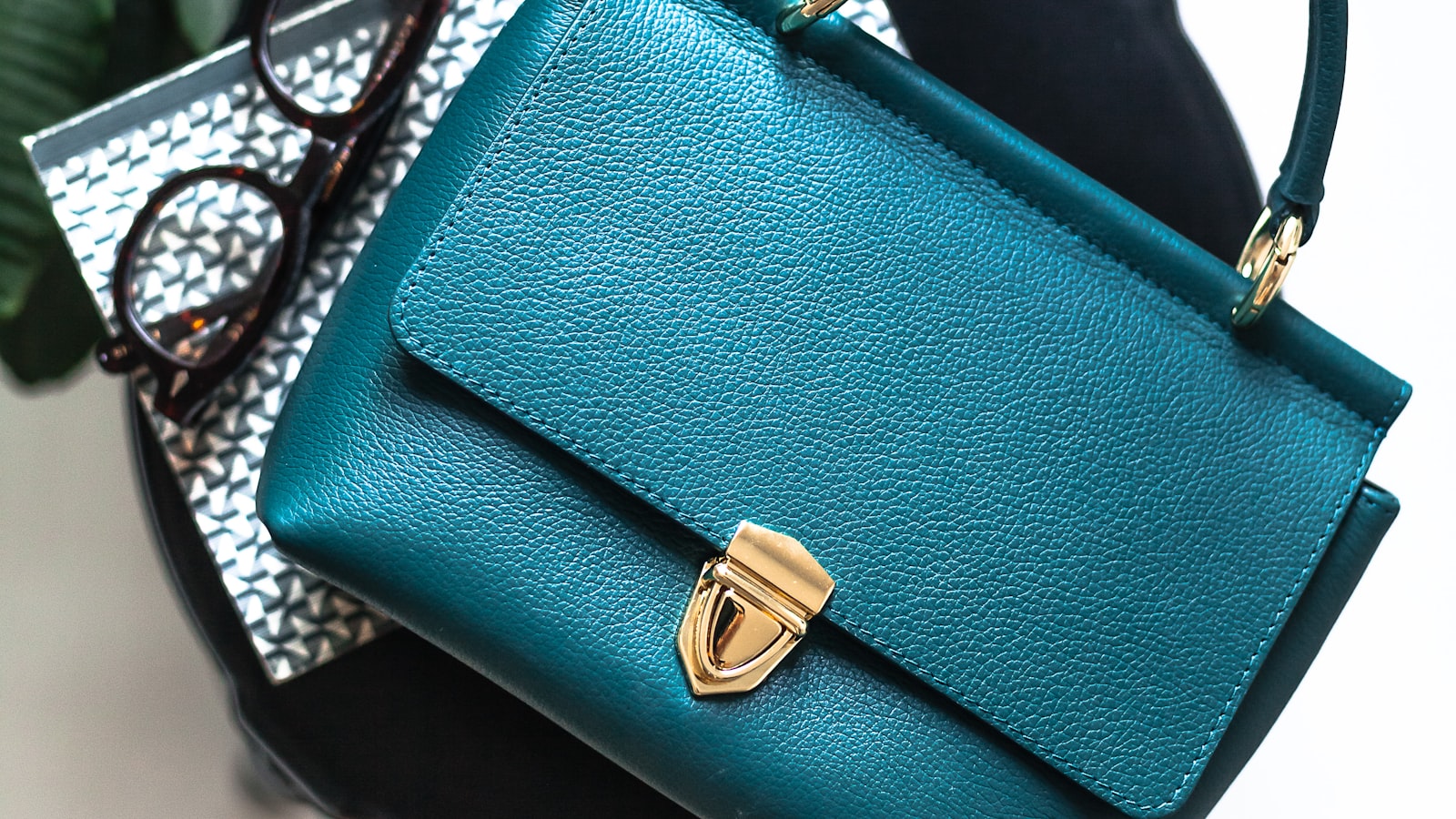
The hat is the accessory that changes the face before it changes the outfit, and most people choose it backwards. They pick a style they admire and discover it fights their features, when the honest method is to read the face first and let the crown height and brim width do the balancing. A hat is a frame, and a frame that is the wrong scale makes the picture worse, not better. The good news is that the rules are simple and learnable in an afternoon with a mirror. Spend one afternoon with a mirror and the method, and the hat that flatters you becomes obvious.
This piece reduces hat buying to two measurements, crown height in centimetres and brim width in centimetres, and then applies them to the four hats a person actually wears: the fedora, the beret, the bucket, and the cap. We cover face shapes, the proportion logic, and the sizing that keeps the thing on your head. Measure your face once and the whole category stops being a gamble. One mirror and one tape measure defeat most of the hats that ever defeated you.
The Two Numbers: Crown and Brim
Every hat is described by two dimensions. Crown height is the distance from the inner headband to the top of the crown, typically eight to fourteen centimetres, and it decides how much vertical the hat adds to your silhouette. Brim width is the distance the brim projects from the crown edge, typically five to nine centimetres, and it decides how much it shades and frames the face. Together they are the grammar; the style is just the dialect you happen to like. The relationship between the two is the secret. A tall crown with a narrow brim elongates and can sharpen a round face or overwhelm a small one; a low crown with a wide brim broadens and grounds a long face. Most hat mistakes are a mismatch of these two numbers to the face, not a wrong style. Learn the numbers and you can wear almost any hat, because you are choosing proportions, not labels, and the label is the easy part.
Reading Your Face Shape First
There are five useful face shapes: oval, round, square, long, and heart. The oval is the flexible default that suits most hats; the round is widest at the cheeks and wants height and asymmetry to lengthen it; the square has a strong jaw and wants softness and a medium brim to flatter the angles; the long is narrow and tall and wants width and a low crown to shorten it; the heart is wide at the brow and narrow at the chin and wants a brim that balances the forehead without swamping the chin. The goal is always balance, never match. A round face needs the opposite of round, so a hat with vertical crown and minimal curl; a long face needs the opposite of long, so width and a lower crown. Stand in front of a mirror with a ruler and measure the face's widest point and its length, then choose the hat whose crown and brim push against your extremes. The mirror is honest where the shop lighting is not, and five minutes with it saves a return and a drawer of mistakes.
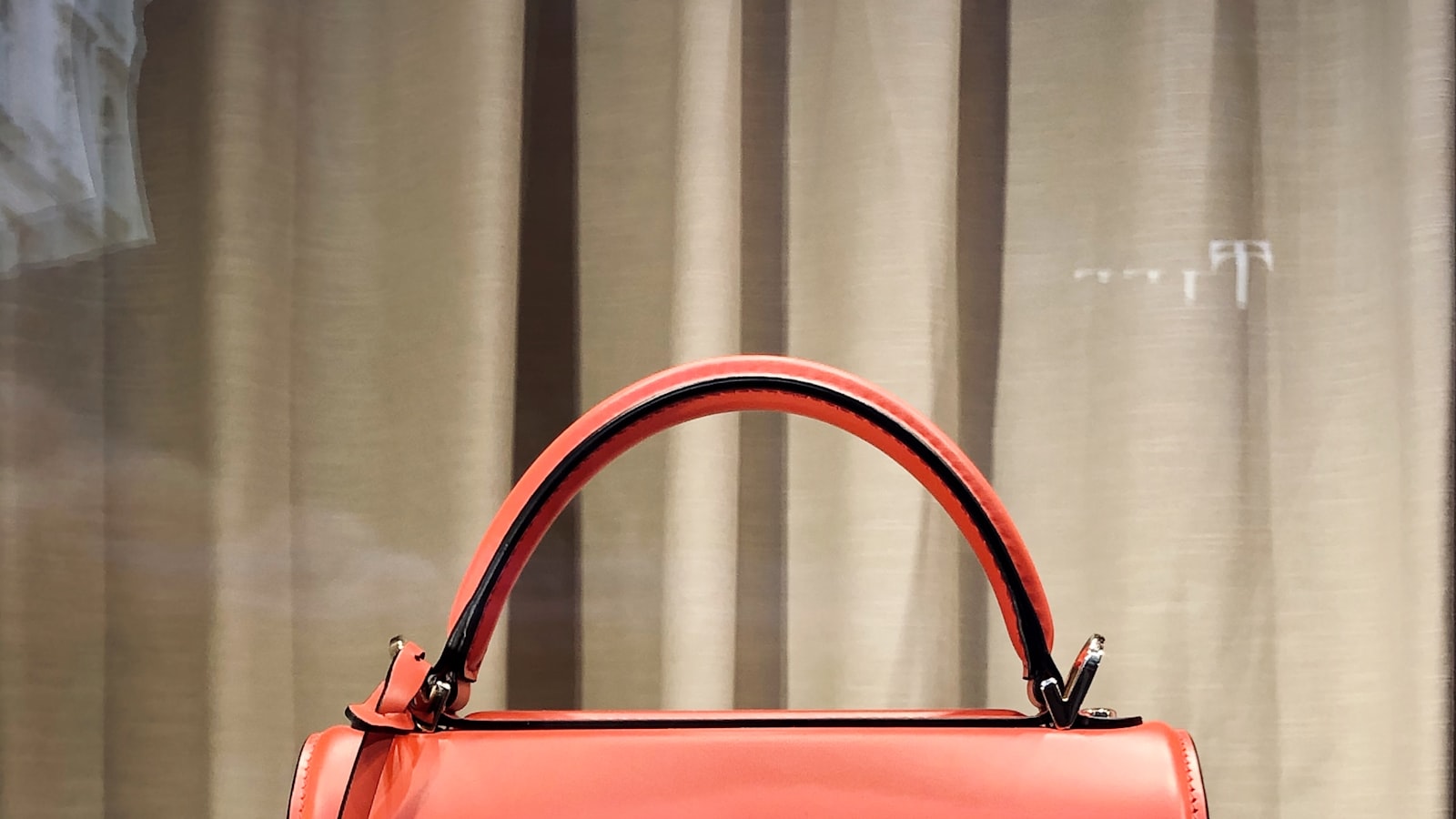
The Fedora and Its Proportions
The fedora carries a crown of roughly ten to twelve centimetres and a brim of six to eight, with a centre crease and a pinch at the front. Its proportions suit the oval and the long face, which it lengthens further if already long, so a long face should choose a lower crown and a wider brim to compensate. The brim can be snapped up or down at the sides, and the down-snap narrows the frame and suits a broader face wanting a little shielding. The fedora rewards a quality fur-felt body, which holds a crease and a curl and survives weather, over a stiff wool that loses its shape by the second rain. The width of the brim relative to the face is the make-or-break: a brim that reaches past the jaw on a small face dwarfs it, while a brim that stops at the cheek on a large face looks timid. The fedora is the most formal of the four and the least forgiving, which is exactly why its numbers must be right before its romance is allowed to matter.
The Beret and How to Wear It
The beret has no brim and sits off to one side, which makes it the most democratic hat in the piece, because it adds no competing frame to the face. A beret in wool or cashmere flatters the square and the heart particularly, softening a strong jaw and balancing a wide brow, and it suits an oval or round face worn pulled slightly forward. Its only number is scale: a beret should cover the crown without sliding to the nape, and it should be worn with a deliberate tilt rather than centred like a beanie. The beret's trick is the break. A flat, centred beret reads childish; a beret with one edge pulled down and the opposite pushed up reads intentional, because the asymmetry breaks the round of the face. The better berets are made from a single piece of fine wool or rabbit felt with a leather headband, and they mould to the head over time. For a hat that suits almost everyone and offends almost no proportion, the beret is the safe and the elegant default, and the cheapest to get right.
The Bucket and Its Brim
The bucket hat has a soft, downward-sloping brim of roughly five to seven centimetres and a low, unstructured crown, and it reads casual by nature. Its brim shades the face without a hard frame, which suits the round and the heart, and its informality pairs with the long face by adding width low on the head. A stiffened cotton bucket holds the brim out; a floppy wool bucket lets it droop, and the droop is the softer, more forgiving look most people want. The bucket's risk is the brim length. Too long and it closes the face and reads costume; too short and it becomes a skull cap with no purpose. The quality marker is the brim interfacing, a light canvas that lets the brim hold a gentle downward angle without collapsing, and the seam taping that keeps the crown from stretching out of shape. Worn with the brim just above the brow, the bucket is the easiest hat to get right, which is why it survives every trend and returns each decade.
The Cap and Its Scale
The flat cap, newsboy, and baseball cap share a short brim of about five centimetres and a low crown, which makes them friendly to the long face that a tall crown would lengthen further. The flat cap's gathered crown adds a little volume that suits a narrow head; the baseball cap's rounded crown is the most universal and the least formal. All three sit close to the head and frame the face with a small, forward brim rather than a surrounding one. The cap's proportion is in the brim. A brim too long on a small face looks like a visor; a brim too short loses the shading that makes the cap worthwhile. The newsboy, with its larger crown and button, reads more styled than the flat cap and suits a round face by adding a little height. For most people the cap is the daily hat, and the only error is treating it as less considered than a fedora, when in fact its scale is doing the same balancing work on the face.
Practical checklist
- Measure crown height and brim width before you choose a style
- Match the hat to your face shape; oval is the flexible default
- Wear a beret with a deliberate tilt, not centred like a beanie
- Keep a fedora brim at the jaw, not past it, on a small face
- Have your head measured in centimetres for a true size
A hat is a frame for the face, and a frame that is the wrong scale makes the picture worse, so the buying must begin with the face and end with the crown and brim. Read the two numbers, crown height and brim width, against your shape, and the fedora, the beret, the bucket, and the cap each fall into place as proportions rather than gambles. The oval wearer has the run of the shelf; the round wearer needs height; the long wearer needs width; the heart wearer needs a balanced brim. Measure once in a mirror and the whole category stops being a matter of luck. Wear the beret with a tilt, keep the fedora brim at the jaw, and let the cap do its quiet daily work, and the hat becomes the thing that completes the face instead of competing with it.
Frequently asked
How do I know my face shape for hats?
What crown height suits a long face?
Why does my fedora look wrong?
Are berets flattering on most faces?
Keep reading
More Bags & Shoes
Belts: Strap Width, Buckle Scale, and the Waistline
A belt sets the proportion of the whole outfit. Get the strap width, the buckle scale, and the waistline height right, and the small errors disappear.
Eyewear and Face Shape: Lens, Bridge, and Temple
Glasses are measured, not admired, into place. The three millimetre numbers on the temple decide fit before the shape decides flattery.
Boots: Shaft Height, Calf Fit, and Leg Proportion
Shaft height in centimetres and calf circumference decide whether a boot flatters or fights you. Read the proportions before you buy the leather.