Cosmetic Shelf Life and the Period After Opening
Read the PAO mark and the spoilage signals, and master the open-date limits, storage, and discard standards for every category of makeup.

Many skin problems trace back to expired cosmetics. The date on the package is the unopened shelf life, but once opened, contact with air and fingers accelerates spoilage, and what actually matters is the PAO mark, that little open-jar icon with a number and an M, like 6M or 12M. Ignore it and you're wearing a petri dish on your face. It's the most underrated skincare hazard.
This piece explains how to read PAO, the open-date limits by category, the visible signals of spoilage, the right storage conditions, and which products you must never use to the bottom. Build a discard standard and it protects your face more than blind hoarding. Your face is worth more than any single product, so discard on expiry without hesitation, that's the baseline move.
How to Read the PAO Mark
PAO stands for Period After Opening, shown as an open jar with a number and an M for months, so 12M means use within twelve months of opening. It's printed on the bottle or outer box and is the real validity guide, distinct from the three-year date printed for the unopened product. Plenty of people count by the printed date and are already expired.
Products without a PAO follow category experience: powders one to two years, creams six to twelve months, watery liquids three to six months, mascara and liquid liner three to four months. Imports mostly carry PAO; some domestic lines print only a production date, so you calculate the open day yourself. PAO is the timer for opened products, and you must know how to read it.
- PAO is the open-jar icon with a number and M
- 12M means twelve months after opening
- No mark, use category experience values
The printed date is unopened; PAO is after opening.
Open-Date Limits by Category
Liquid foundation lasts six to twelve months after opening; a cushion, because the sponge breeds bacteria, needs a refill about three to six months. Powder compact and loose powder are stable at one to two years. Lipstick bullet runs one to two years; a watery lip gloss six to twelve months. Powder eyeshadow lasts two to three years, cream eyeshadow six to twelve, and powder stays stable because it's water-free.
Mascara and liquid liner are the shortest-lived and must be replaced every three to four months, a common source of eye infections. Cream concealer runs six to twelve months. Sunscreen should be used up the year it's opened, because the actives degrade and the next year's SPF drops hard. Perfume is stable but light-avoidant for three to five years. Remember: the closer to the eye and the more watery, the shorter the life, that's the replacement rhythm.
- Mascara and liquid liner three to four months
- Liquid foundation six to twelve months
- Sunscreen used up the year it's opened
Closest to the eye and most watery, the shortest life.
The Visible Signals of Spoilage
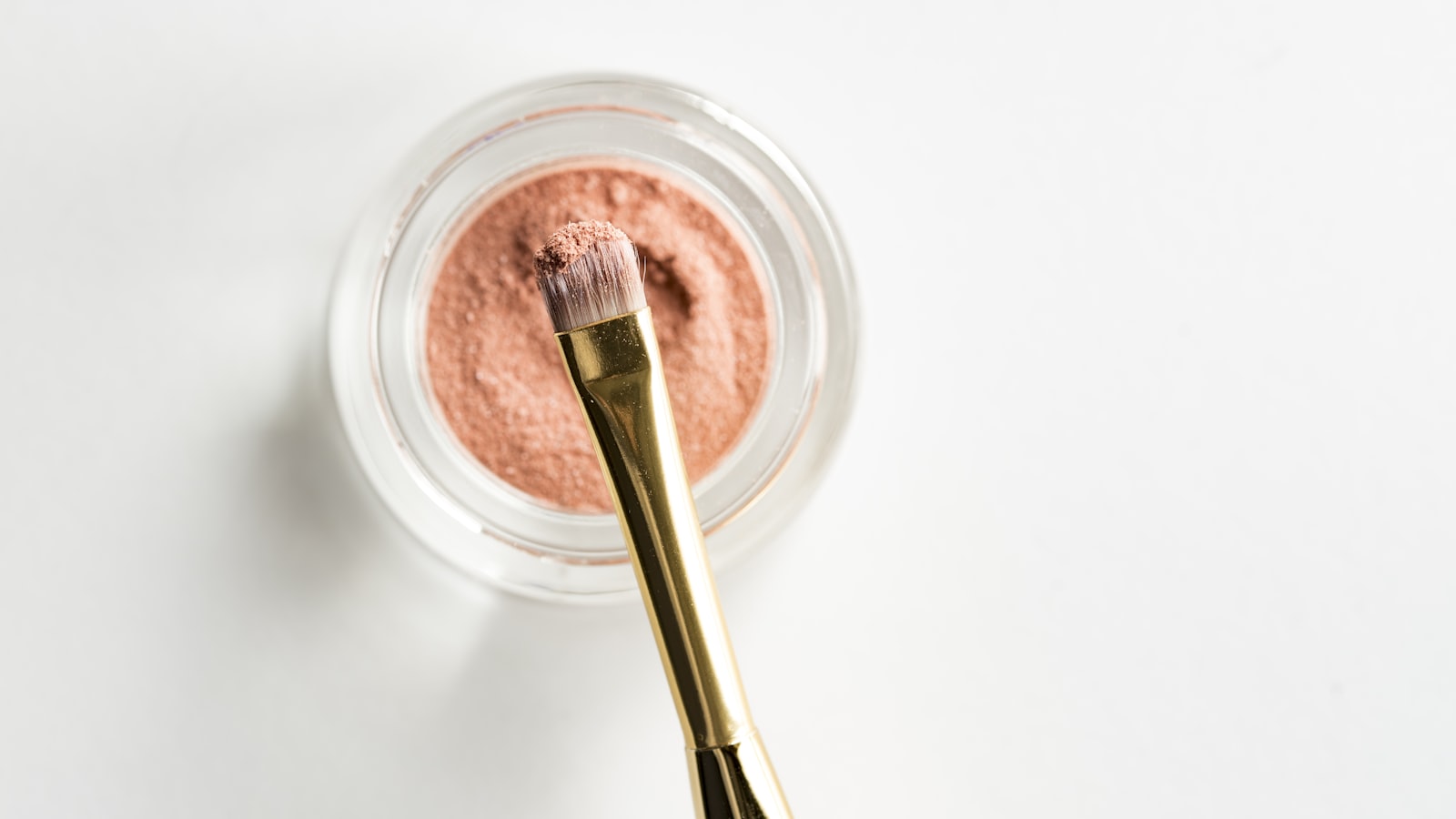
Smell change is the first signal: a sour, rancid, or odd odor means discard immediately. Texture change: foundation separating or clumping, lipstick sweating oil beads, cream cracking, eyeshadow spotting. Color change: oxidized darker or grayer, pigment separation. Feel: stinging, redness, discomfort on application, stop even if not expired, because the senses beat the date.
For liquids, mold at the bottle mouth or a stringy brush means bacteria over the limit. Preservative-free natural products spoil faster and need a shorter window. Any one anomaly and don't hesitate, your face is worth more than the product. When a spoilage signal appears, hesitation is a broken face, the iron rule.
- Odd sour or rancid smell means discard
- Separation, sweating, or spotting
- Stinging on use, stop even if unexpired
When a spoilage signal appears, hesitation is a broken face.
The Right Storage Conditions
Cosmetics fear high heat, high humidity, and strong light. Ideal storage is 15 to 25 degrees Celsius; the bathroom, with its humid heat, is taboo and the most common storage mistake, accelerating spoilage. Avoid light, and keep clear bottles and spray cans in a drawer. Extreme cold or heat both hurt the emulsion, so keep them off radiators and out of a sun-baked car.
Wash and air-dry brushes and sponges before storing, and a damp makeup bag is a mold bed. Decant into clean small bottles for travel, don't dig fingers into the big jar, use a spatula to cut contamination. The fridge suits only specific actives like vitamin C; ordinary cosmetics condensate there and go worse. The bathroom is the graveyard of cosmetics, remember that line.
- 15 to 25 degrees, away from light
- Bathroom humidity and heat are taboo
- No fingers in the jar, use a spatula
The bathroom is the graveyard of cosmetics.
What Never Gets Used to the Bottom
Mascara and liquid liner must never be stretched past expiry, the conjunctivitis risk is high, so replace hard at three to four months. Any product with an opened odd smell goes immediately, regardless of what's left. Shared or loaned lip and eye products, after return, shouldn't touch the mucosa again. Public testers are high-risk by nature, don't put them on your face at home, and counter testers don't go straight on the lip.
Preservative-free natural organic lines decay fast after opening, so honor a labeled six-month window and don't drag. Child-risk items like menthol lip balm lock away separately. Build a quarterly cleanup habit and dispose of expired centrally, no hoarding, no attachment. Disposing of expired products is the baseline move of skincare, don't go soft.
- Mascara and liner hard-replace, no stretching
- Odd-smelling product discarded regardless of remainder
- Public testers never on the face at home
Disposing of expired product is the baseline move of skincare.
Build a Cleanup and Record Habit
On each new opening, write the date on the bottle bottom with a marker, say 260903, so the age is visible at a glance. Do a full cabinet cleanup at each quarter's end, eliminating by PAO and signals. A notebook or phone memo recording the open date of high-value items beats relying on memory, which is unreliable against hoarding.
Restrain hoarding; cosmetics don't improve with age, and promo bulk buys often expire. Buy by need, use the new not the old, saving money and protecting skin. Expired product is hazardous waste, and some cities have drop-off points, don't just trash it and pollute. Writing the open date plus a quarterly cleanup is a low-cost, high-return habit.
- Write the open date on the bottle bottom
- Full cabinet cleanup each quarter-end
- Buy by need, use new not old
Write the open date and your face stays safe.
The Rational Boundary of Hoarding and Promos
Big promotions spark impulse hoarding, but cosmetics have a life cycle and most bulk buys expire. Principle: consumables like remover and sunscreen can be moderately stocked, but cosmetics buy by need, and repurchase a hot shade only when the current one empties. Do the math: the cost of discarding expired outweighs the discount saved.
Build a personal usage table, say two lipsticks a year, half a bottle of foundation every six months, and buy within that. Facing a limited-time discount, ask whether you can finish it within the PAO, and let go if not. Rational hoarding is a marker of mature consumption and an extension of skin protection.
- Stock consumables, buy cosmetics by need
- Expired-discard cost exceeds the discount
- Decide by whether you finish within the PAO
The cost of discarding expired outweighs the discount saved.
Practical checklist
- Read the small PAO jar icon, not the printed three-year date
- Mascara and liquid liner hard-replace every three to four months
- Odd smell, separation, or stinging means discard immediately
- Store away from bathroom humidity, 15 to 25 degrees, dark
- Write the open date on the bottle, quarterly cleanup
- Buy cosmetics by need, expired-discard cost beats the discount
The safe life of cosmetics hides in the PAO mark and your observation, not the three-year print on the package. Read the open-date window, remember that eye-adjacent and watery products are shortest-lived, recognize spoilage signals like odd smell and separation, avoid bathroom humidity in storage, and build the habits of writing the open date and a quarterly cleanup, and you drive the broken-face risk to the floor. Buy rationally by need, and since your face is worth more than any product, discard on expiry without hesitation, the most cost-effective skincare discipline. One honest last line: when cleaning out expired product, don't grieve it, that money is already spent, and continuing to use it may cost far more in skin repair. Make the quarterly cleanup a habit as important as skincare itself, and it pays more than any hoard.
Frequently asked
The package says three-year shelf life, why did it go bad after six months open?
Does the fridge extend a cosmetic's life?
Are expired powder compacts and loose powders still usable, they're dry?
I forgot to note the open date, how do I estimate if it's still good?
Keep reading
More Makeup
Eye Makeup Basics: The Three-Shade Structure and Blend Boundaries
Build dimensional eye looks on a base, transition, and depth structure, and master the blend boundary and eye-shape adjustments you can actually copy.
Eyebrow Design: Mapping the Arch to Your Face Shape and Brow Color
From placing the arch by face shape and matching brow color to hair, to tweezing frequency and the stroke order, a complete method for brows that are actually yours.
The Complete Logic of Base Makeup: Order and Technique from Primer to Setting
From sunscreen and primer through concealer and powder, we break down the dosage, tools, and sequence of every step into a base routine that won't cake or patch.