The Complete Logic of Base Makeup: Order and Technique from Primer to Setting
From sunscreen and primer through concealer and powder, we break down the dosage, tools, and sequence of every step into a base routine that won't cake or patch.
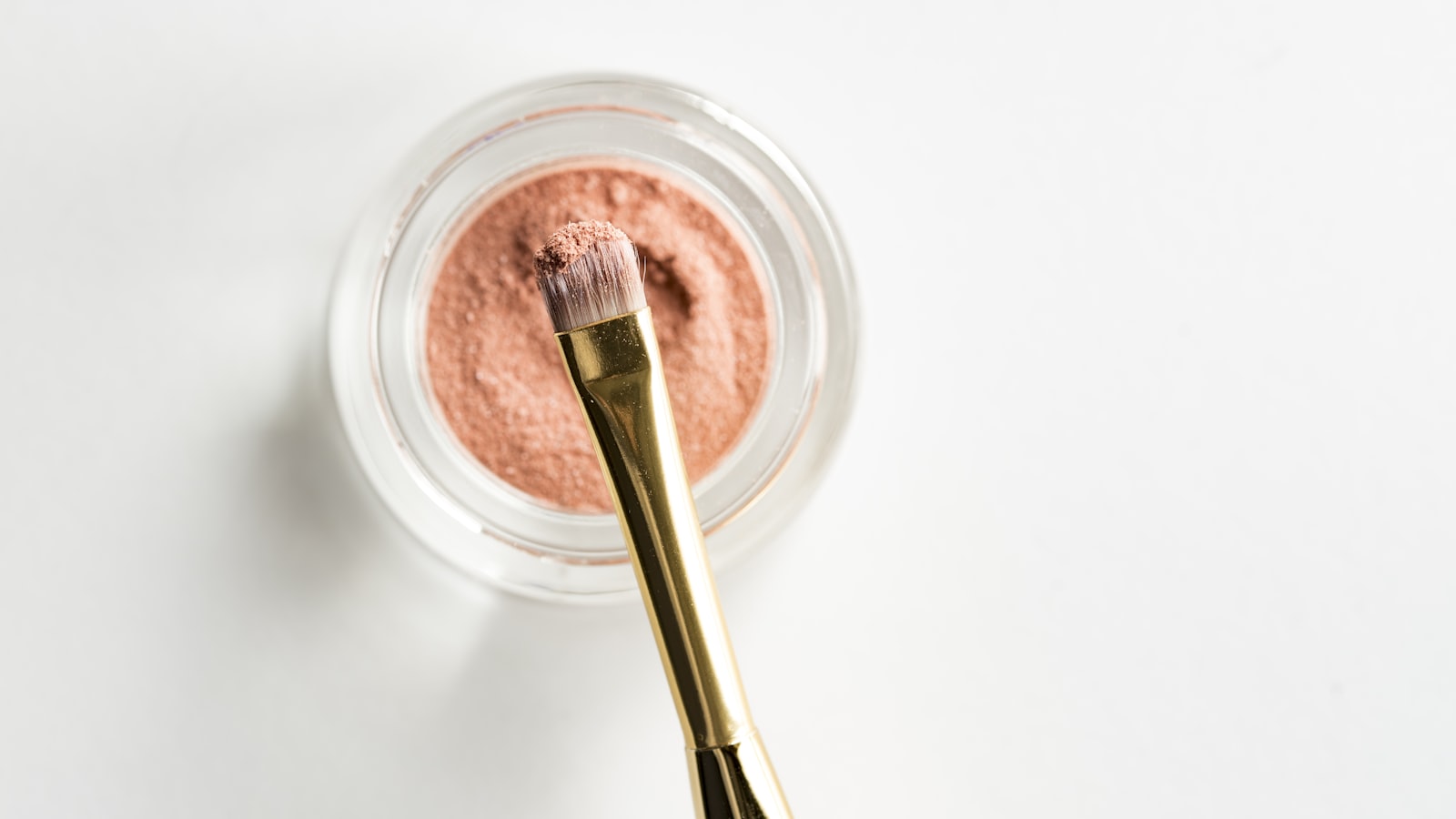
Base makeup isn't about painting foundation across the whole face. It is an engineering problem of order, running from skin-condition management to the deliberate layering of products. Most cases of caking, lifting, and patchiness don't trace back to the foundation itself. They start when an earlier step gets skipped or the sequence gets scrambled. We break base makeup into five processes: sunscreen, primer, concealer, foundation, and setting. Every process has a maximum load it can carry, and once you cross that line it fights the next product, and the result is the familiar embarrassment of half the face floating while the other half cracks into lines.
This piece spells out the dosage, tools, and hand sequence of every step. It does not depend on one miracle-priced product. It gives you a transferable method. Once you own it, you can replicate a clean face with any brand's foundation, and you can also diagnose exactly which step went wrong. Read through once to build the whole picture, then practice one process at a time against the mirror. That beats blindly buying expensive foundation by a wide margin.
Gate One: Sunscreen Is the Foundation of Your Base
Sunscreen isn't makeup, yet it directly decides whether your base looks even. The standard facial amount is two milligrams per square centimeter, which works out to roughly one yuan-coin volume (about 2.4 cm across) for the whole face. Split it into five dots on the forehead, both cheeks, the bridge of the nose, and the chin, then pat from the center outward until it absorbs. Too little sunscreen makes the later foundation look gray and oxidize faster, because UV speeds up the change in your sebum film and the discoloration of the powder itself. That is the hidden reason so many people go gray by mid-afternoon.
Film formation takes time. A chemical filter needs about three minutes; a hybrid formula needs about five to build a stable film. Don't apply primer before the film sets, or you'll push the sunscreen into an uneven layer that patches by noon. Oily skin in summer can press once with a single layer of oil-blotting paper to lift surface excess before moving on. If you're used to slapping foundation on right after sunscreen, make yourself add those three to five minutes. It decides the success of your base for the entire day.
- Dosage reference: one yuan-coin volume per face equals roughly 2 mg/cm²
- Film wait: 3 minutes for chemical, 5 for hybrid formulas
- Oily skin can blot once with oil paper before continuing to cut shine
If the sunscreen film isn't set, no foundation, however expensive, can save an even base.
Apply Primer by Zone, Not All Over
Primer isn't something you must wear across the whole face. It exists to answer a specific problem zone. For the T-zone, use an oil-control type built on silica and polymethylsilsesquioxane, taking a mung-bean-sized amount, rubbing it between the fingertips, and pressing it only on the sides of the nose and the center of the forehead. For dry cheeks, use a hydrating type with hyaluronic acid and glycerin, a soybean-sized amount swept from the outside in. The classic commuter mistake is dragging oil-control primer onto the crepey under-eye, where it will crack by midday without fail.
Where pores show on the sides of the nose, apply primer with a single outward push to fill them. Don't work in circles, because circles roll the product into the pores and make them more obvious. Wait about a minute until the fingertip no longer sticks, then go in with foundation. Load capacity matters here: keep total primer under a peanut-sized amount or it will pill. Remember that primer corrects a problem, it doesn't add thickness. Apply it where there is a problem, and slathering it everywhere only manufactures new ones.
- Control the T-zone, hydrate the cheeks, never mix the two
- Nose wings: push outward in one direction, no circles
- Keep total primer under peanut size to prevent pilling
Primer corrects a problem; it doesn't add thickness.
Concealer Timing: Before or After Depends on Texture
Concealer order depends on texture. Liquid concealer goes before foundation: dot it on discoloration and broken capillaries, then let the foundation blend it in so the edges don't leave a seam. Cream concealer goes after foundation, layered locally on dark circles and acne marks, because the thicker formula has the coverage to stand on its own and would be diluted by foundation if applied first. The rule: stick and cream textures are dry, so they come after; liquid and color-correcting textures come before. Reverse the order by a single step and the whole area smears.
For dark circles, use a peach or apricot tone to neutralize the blue-purple, never a pale bright shade that reads gray. Take a concealer brush, fiber diameter 0.15 mm, flat tongue shape, bristle length 1.2 cm, load a rice-grain amount, and dot the deepest point of the tear trough, patting toward the nose wing and the outer corner of the eye without dragging sideways. For acne marks, use a shade half a step deeper than the skin so you don't leave a white halo. The core idea is that concealing corrects the hue, not the lightness, and once you get that, you stop making things dirtier the more you pile on.
- Liquid concealer before foundation, cream after, never reverse
- Peach tone for dark circles, never a pale bright shade
- Concealer brush: flat tongue, 1.2 cm bristle, 0.15 mm fiber
Concealing isn't about whitening; it's about correcting the hue.
The Thin-Layer Method for Foundation
Foundation amount is the central variable in your whole base. For liquid, the full face takes about a soybean-sized dab up to one pump, which is 0.3 ml. Place it as five dots on the forehead, nose tip, both cheeks, and chin. Use a damp sponge, wrung until it doesn't drip and feels soft when squeezed, and press vertically, never dragging or scrubbing. If you prefer a brush, choose a dense round head with 1.5 cm bristles and a 0.12 mm fiber, brush from the center of the face outward, then finish with the sponge; the press eats the brush marks.
In sequence, do the center of the face first and the contours last, keeping the center thin and the hairline and jawline even thinner to avoid a mask effect. On the nose wings, where product loves to pool, use the tip of the sponge in small presses, never repeated rubbing. For a foundation that oxidizes hard, test it on the neck and watch for fifteen minutes before committing to the full face; that one step prevents most shade accidents. Medium-oily skin needs a single layer. Adding more only speeds up breakdown. Less foundation, more clean, is the plainest truth of base makeup.
- Liquid foundation: one pump (~0.3 ml), never exceed
- Sponge: vertical press, no dragging, preserves coverage
- Thinner at center, thinner still at contours to avoid a mask
One less layer of foundation, one more layer of clean.
Layering and Targeted Reinforcement in Setting
Setting comes in two passes: loose powder and setting spray. First take a large, fluffy loose-powder brush, goat hair, 4.5 cm bristles, medium density, load transparent powder, knock the excess off by twirling on the back of the hand, then sweep in circles across the T-zone and the easy-crease under-eye. On dry cheeks, press instead of circling, or skip them entirely. The amount should show no obvious white on the skin; too much accentuates dry lines, and under-eye creases in particular get filled into visible grooves.
After that, hold the setting spray twenty to twenty-five centimeters from the face and mist three times in an X and a T. Let it air-dry, don't fan it. For genuinely long wear, mist a thin layer after the powder too, building a sandwich. Too close and you wash the base away; too far and the distribution is uneven; twenty centimeters is the threshold. Setting locks, it doesn't cover, and overdoing it backfires, which is exactly why so many people look older right after they set their makeup.
- Powder brush: goat hair, 4.5 cm bristle, medium density
- Spray 20 to 25 cm from face, three passes
- Sandwich setting extends wear by 4 to 6 hours
Setting locks; it doesn't cover. Overdo it and it backfires.
The Right Order and Tools for Touch-Ups
After oil and breakdown, don't reach straight for powder. Blot with oil paper or a single tissue to kill the shine, then mist the sponge and press the lifted foundation back onto the skin, and only then add a rice-grain of foundation and a whisper of powder to the patch. Laying powder directly onto the oil film clumps into plates by midday, the textbook case of touch-ups that make things worse.
On the nose wings and mouth corners, the heavy crease zones, wipe the buildup with a cotton swab dipped in a little lotion before you patch. Carrying a decanted powder and a small sponge beats hauling the whole bottle. Schedule one full touch-up in the afternoon and a local reinforcement before an evening event. A touch-up repairs, it doesn't cover, and with the right logic you can salvage seventy or eighty percent of a breakdown.
- Blot first, then mist-and-press to reattach the lifted base
- Crease zones: lotion on a swab, then patch
- Travel light: mini powder plus a small sponge
A touch-up repairs; it doesn't cover.
Base Makeup as a Dynamic System with Your Skin
There is no fixed base recipe. It shifts with skin type and season. Dry winter skin can layer a hydrating serum after sunscreen and choose a dewy foundation. Oily summer skin leans harder on oil-control primer and powder and picks a long-wear formula. During a flaky change of season, pause the long-wear foundation and switch to a mineral compact pressed on lightly to cut frictional irritation.
Combination skin is the real test of zoning: treat the T-zone as oily and the cheeks as dry, running two logics on one face. Keep a base diary of the products and amounts that work each quarter, and next season you adjust straight from the diary instead of re-trialing from zero. The essence of base makeup is order. Get the method right and you can replicate it across brands, and the base itself stays a living system rather than a frozen formula.
- Dry skin adds moisture in winter, oily adds control in summer
- Combination: two logics for one face
- Keep a base diary; adjust by season from it
Base makeup is a dynamic system, not a fixed recipe.
Practical checklist
- Insufficient sunscreen is the hidden cause of a gray, oxidized base, check this step first
- Prime by zone, control the T-zone and hydrate the cheeks, never one sweep across the face
- Liquid concealer before foundation, cream after, reverse it and it smears
- One pump of foundation for the whole face is enough, layering only speeds caking
- Setting spray at twenty centimeters, too close washes it, too far streaks
- Touch up by blotting then reattaching, direct powder always clumps
The essence of base makeup is order, not stacking. Keep the job and the load limit of sunscreen, primer, concealer, foundation, and setting clearly separated, let each step solve only the problem it's meant to, and the face stays clean and lasts. Don't fetishize one miracle foundation, because with the method right you can replicate the result across brands. Spend a week practicing zoned dosage and the press technique, let the feel stabilize, then study shade and texture, and most of your base troubles shrink by half. Base is also a dynamic system that shifts with season and skin, so build your own base diary and you'll finally have peace.
Frequently asked
Why does my base still patch by afternoon even when I follow tutorials?
My under-eye concealer always settles into fine lines, what do I do?
Keep reading
More Makeup
Eye Makeup Basics: The Three-Shade Structure and Blend Boundaries
Build dimensional eye looks on a base, transition, and depth structure, and master the blend boundary and eye-shape adjustments you can actually copy.
Eyebrow Design: Mapping the Arch to Your Face Shape and Brow Color
From placing the arch by face shape and matching brow color to hair, to tweezing frequency and the stroke order, a complete method for brows that are actually yours.
Makeup for Sensitive Skin: Ingredient Avoidance and Gentle Removal
List the irritants sensitive skin should avoid, the standards for low-irritation product choice, and a complete gentle-removal routine.