Bag Care, Storage, and Repair: What Actually Prolongs a Bag
A bag is kept, not worshipped. The dust bag, the stuffing, the cream, and the timing of a repair decide its life more than the purchase did.
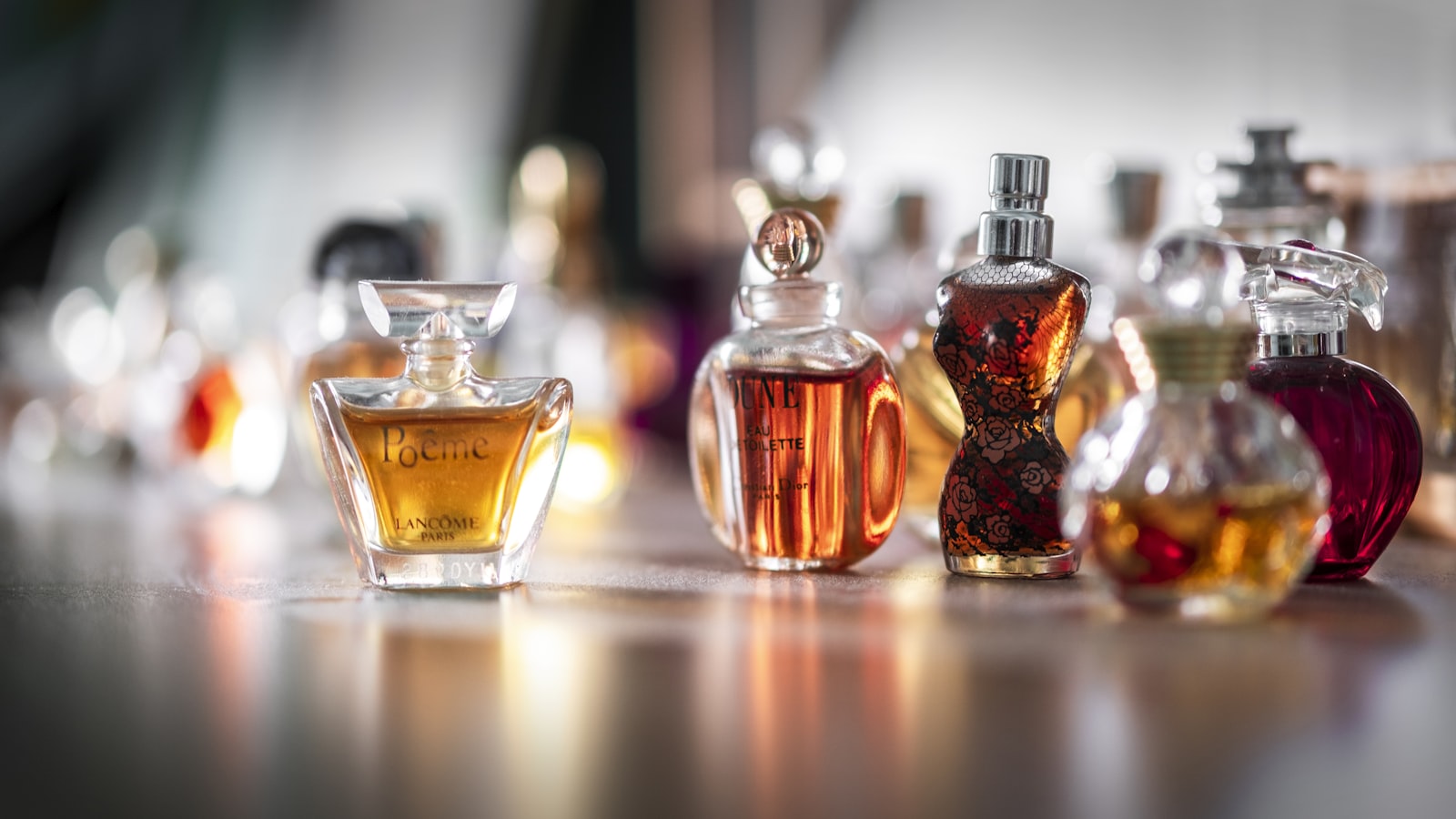
A good bag is bought once and kept for years, which means the care, not the purchase, is what decides its life. Most bags are ruined by neglect and good intentions alike: stuffed wet into a closet, conditioned into a soggy mess, or left to slump until the leather creases where it should not. The care is simple and infrequent, and the few habits that matter dwarf the products sold to perform them. A bag is a tool, and a tool is kept, not worshipped on a shelf. The habits are few, the payoff is long, and most products merely remind you to perform them.
This piece covers the dust bag and why it is cotton, the stuffing that holds a shape, the conditioning that feeds leather without drowning it, the hardware and edges that wear first, the stains and water that do the real damage, and the moment to stop home remedy and send the bag to a professional. The economics favour care: a little attention delays a repair that costs more than the conditioner ever did.
The Dust Bag Is Storage
The dust bag is not packaging, it is storage, and it should be breathable cotton, never plastic. Plastic traps the moisture a leather bag picks up from the air and the hand, and that moisture is what grows mildew and rots stitching in a closed drawer. The cotton bag keeps dust off the surface, which is what dulls and scratches a finish, while letting the leather breathe through a season of disuse without suffocating it. The bag should go in the dust bag clean and dry, with the hardware wiped and the interior emptied, because a pen left inside will leak and a sweet will ferment, and both are found too late. The original bag is ideal, but any soft cotton pillowcase with the zip open a little does the job. The point is to keep the bag in a stable, airy dark between wears, because light fades leather and heat cracks it, and the closet is the safer place than the shelf in the sun by the window.
Stuffing the Bag for Shape
A bag left empty collapses, and the leather creases at the fold it adopts, which is how a structured tote loses its architecture by spring. Stuff the body with acid-free tissue or a clean cotton cloth so the panels hold the shape they were built to, and keep the base flat rather than folded. The handles should rest naturally, not be bent into a knot, because a crease set in a handle is permanent and visible from across the room. The stuffing is temporary support, not a clamp; overstuffing stretches the leather and strains the seams, which is the opposite of the aim. A bag used daily needs no stuffing, only emptying overnight so the lining dries; a bag stored for the season needs the form. The goal is simply to prevent the slump, because the slump is the first and cheapest failure to avoid, and avoiding it takes thirty seconds and a sheet of tissue when the bag goes away for the week.
Conditioning the Leather Well
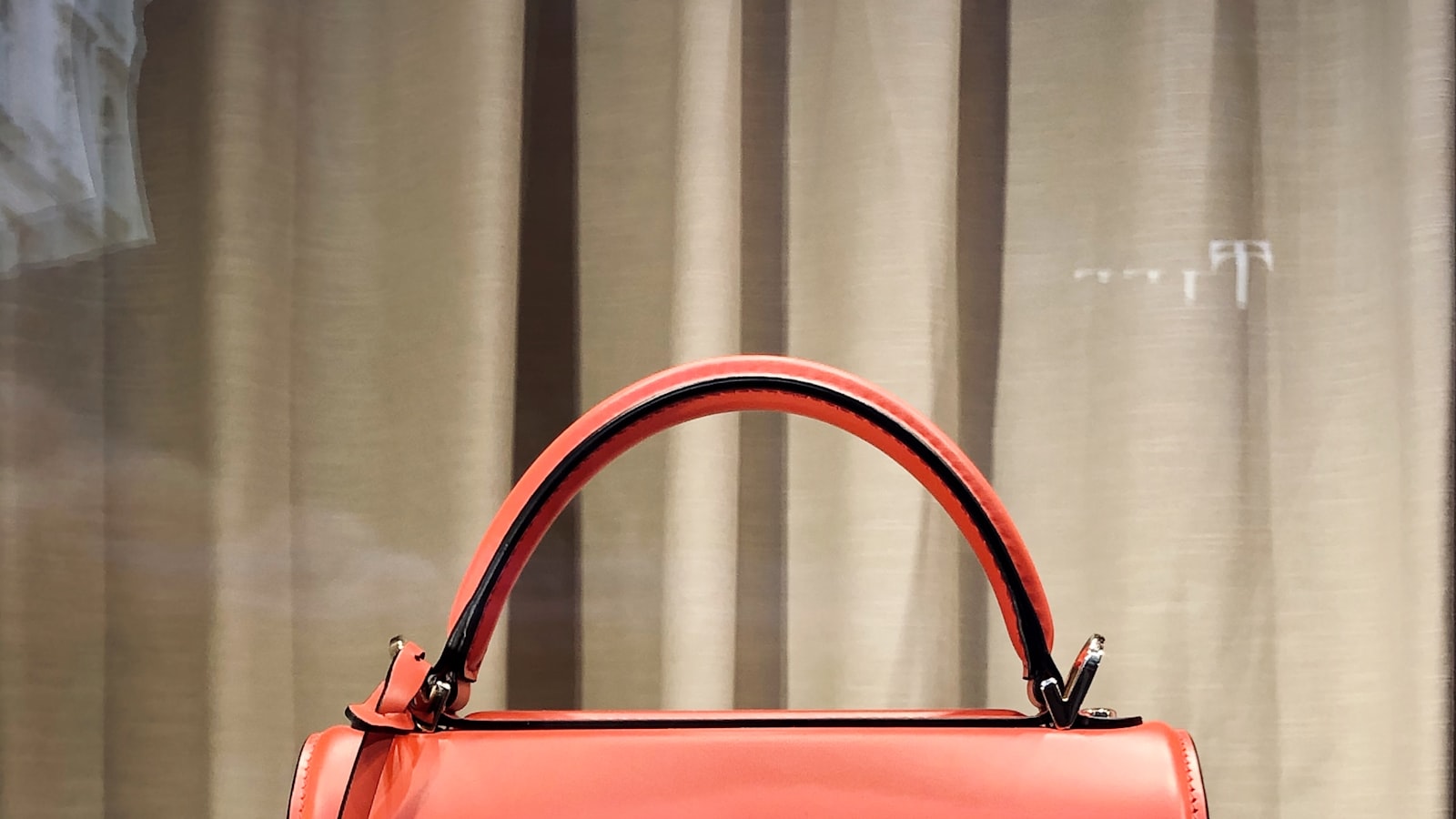
Leather is skin and it dries, so it wants a little feed, but the error is over-conditioning, which softens the leather past its structure and invites mould in a damp room. A cream or a light conditioner, worked in with a cloth and buffed off, two to four times a year for a daily bag, is enough; a bag worn rarely needs less. The test is the touch: if the leather feels supple and looks even, it is fed, and more is not better for the material. Cream and conditioner feed and revive colour; a separate wax or balm protects the surface and adds a low shine. Apply cream first, let it rest, buff, then wax if the look calls for it, never the reverse, because wax seals and would block the cream beneath. Keep both off suede and untreated leather, which take a brush and a protector rather than a feed. The conditioned bag resists the small cracks that become big ones, and the cost of the jar is a fraction of the repair it prevents over a decade.
Hardware, Zips, and Edges
Hardware wears before leather, and brass in particular benefits from a wipe with a soft cloth to keep its patina rather than its tarnish. A lacquered or plated piece should be kept from perfume and hand cream, which pit the surface, and a stiff zip is eased with a dab of wax on the teeth rather than forced, because a forced zip splits the tape. The zip is the most replaced component, so it deserves the gentlest hand you can give it. The edge is the exposed cut of the leather and the first place paint cracks or burnish wears through. Keep it dry, because water lifts edge paint, and renew a burnished edge at home with a little wax and friction when it dulls. A painted edge that cracks should be touched by a professional before the leather beneath suffers. The hardware and the edge are the details you handle daily, and a minute of care at the zip and the rim spares a repair that costs more than the bag's condition ever warranted.
Stains, Water, and Salt
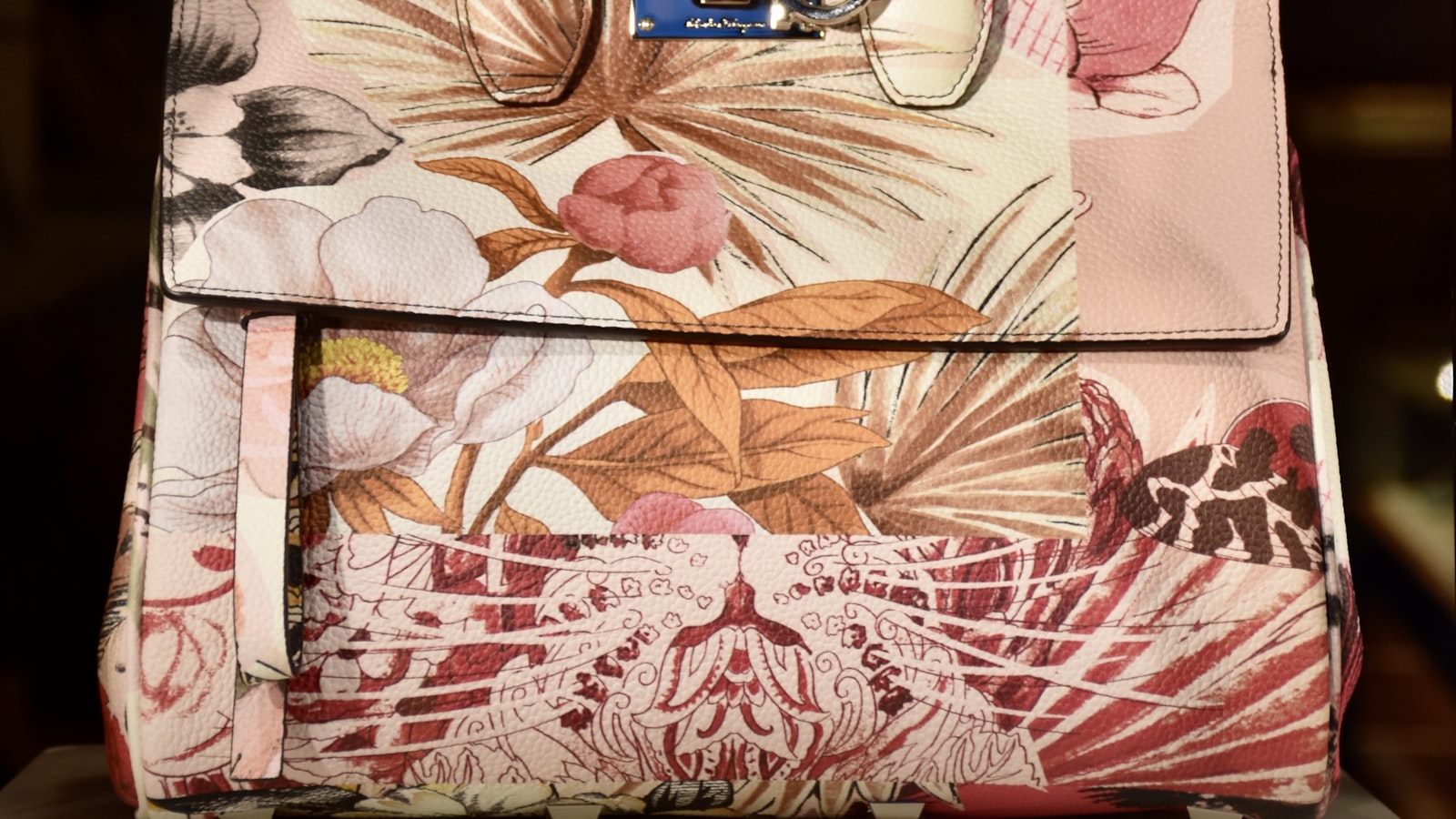
Water is the quiet enemy. A leather bag caught in rain should be blotted, not rubbed, and left to dry slowly away from heat, because fast drying cracks the grain and leaves a tide mark. Salt from winter streets is worse; it draws moisture and stains permanently if left, so wipe it the same day with a damp cloth and a little mild soap, then condition. A protector spray, applied lightly and refreshed, buys time in weather but is no substitute for the wipe. Stains depend on the substance. Ink and oil are the hard ones and want a professional fast, because home remedies often set them; dust and light marks come off with a soft brush and a barely damp cloth. The rule is to act within the day, because a fresh stain lifts and an old one lives in the grain. A bag is not fragile, but it is final: most marks that are allowed to dry are kept, and the care that matters is the promptness, not the product you reach for.
When to Send It Out
There is a line past which home care becomes harm, and it is drawn at structure and stitch. A torn strap, a split seam, a failed zip, or a broken handle attachment is a job for a leatherworker or a good cobbler, and the sooner the better, because a small tear grows under load and a delayed repair costs more leather. A maker's repair service is ideal for the bag with a name, and a skilled independent is ideal for the rest of them. The economics favour the send-out. A re-stitch or a zip replacement runs a fraction of a new bag and returns the object to service for years, while a bag left torn is a bag retired. Know the value of what you hold: a twenty-dollar bag is not worth a forty-dollar repair, but a four-hundred-dollar bag is, and the distinction is the whole point of buying well in the first place. Send it before it fails completely, and the bag you love stays the bag you wear through seasons.
Practical checklist
- Store in a cotton dust bag, never plastic, in a cool dark place
- Stuff the body with tissue so it holds its shape in storage
- Condition two to four times a year; do not over-feed the leather
- Blot rain and wipe salt the same day; dry slowly, away from heat
- Send a torn stitch or failed zip to a pro before it grows
A good bag is bought once and kept for years, and the keeping, not the buying, is what decides its life, because the habits that matter are few and the products that promise more are mostly noise. Keep it in a cotton dust bag in the dark, stuff the body so it holds its shape, feed the leather two or four times a year without drowning it, ease the zip and wipe the brass, blot the rain and the salt the same day, and send a tear or a failed seam to a professional before it grows. The economics favour the care: a dab of cream and a sheet of tissue delay a repair that costs more than the bottle ever did. The bag you look after is the bag you still carry in a decade, and that is the only return a purchase like this was ever supposed to pay back to the owner.
Frequently asked
How often should I condition a leather bag?
Can a torn strap be repaired?
How should I store a bag for the season?
Is leather conditioner bad for a bag?
Keep reading
More Bags & Shoes
Hats and Face Shape: Crown, Brim, and Proportion
A hat is a frame for the face. Read crown height and brim width in centimetres against your shape, and the fedora, beret, bucket, and cap fall into place.
Belts: Strap Width, Buckle Scale, and the Waistline
A belt sets the proportion of the whole outfit. Get the strap width, the buckle scale, and the waistline height right, and the small errors disappear.
Eyewear and Face Shape: Lens, Bridge, and Temple
Glasses are measured, not admired, into place. The three millimetre numbers on the temple decide fit before the shape decides flattery.